Platinum Jewelry Design Guide With Modern Styles and Craftsmanship Insights
Platinum jewelry design combines precious-metal craftsmanship with modern approaches to form, proportion, texture, and gemstone setting. Platinum is a naturally occurring metal known for its dense structure, silvery-white appearance, and high level of purity in many jewelry applications.
The history of platinum jewelry is connected with advances in metalworking that made this dense and relatively difficult-to-work material more practical for detailed jewelry production. Craftspeople developed techniques for shaping, soldering, polishing, engraving, and setting gemstones in platinum, allowing increasingly intricate designs.
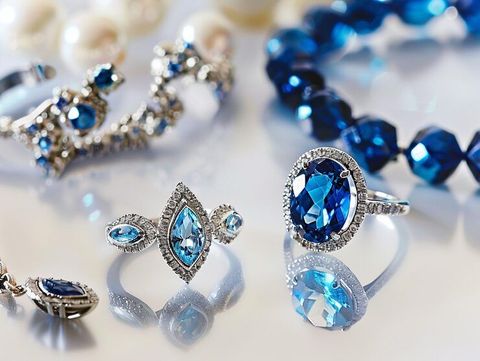
Today, platinum jewelry design includes both traditional and contemporary approaches. A piece may use a simple polished surface, geometric construction, sculpted details, brushed textures, or carefully arranged gemstones. The design process generally begins with an idea or drawing and continues through material selection, modeling, forming, finishing, and quality inspection.
Understanding platinum as a jewelry material
Platinum is naturally white, so it does not require a colored surface treatment to create its characteristic appearance. Its density also gives many pieces a substantial feel relative to their size.
Common characteristics considered during platinum jewelry design include:
- High density and substantial physical feel
- Naturally white metallic appearance
- Resistance to tarnishing under ordinary conditions
- Ability to support detailed gemstone settings
- Compatibility with different surface finishes
- High purity in commonly used jewelry alloys
Platinum is usually alloyed with small amounts of other metals to achieve suitable hardness, workability, and casting characteristics. The exact composition can vary according to the manufacturing standard and intended application.
From sketch to finished jewelry
A modern design can pass through several stages before becoming a finished piece. Designers may begin with hand sketches or computer-aided design software, followed by a three-dimensional digital model.
The design may then be produced through casting, machining, forming, or a combination of techniques. Gemstone seats, hinges, clasps, channels, and other structural details must be carefully planned because small dimensional differences can affect the appearance and function of the finished item.
Importance
Platinum jewelry design matters because jewelry combines appearance with physical performance. A piece must not only look balanced but also accommodate movement, daily contact, gemstone security, and long-term maintenance.
For consumers, understanding design and craftsmanship can make jewelry specifications easier to interpret. For designers and manufacturers, platinum requires careful consideration of material behavior because its density, melting characteristics, and working properties differ from many other jewelry metals.
Design choices that affect everyday use
Different designs are suited to different patterns of use. A narrow ring with minimal decoration may have a different structural profile from a wide ring containing several gemstones.
Important considerations include:
- Setting structure: Prongs, bezels, channels, and other settings hold gemstones in position.
- Surface treatment: Polished, satin, brushed, hammered, and textured finishes create different visual effects.
- Profile: The thickness and shape of a ring or bracelet influence comfort and durability.
- Proportion: Gemstone size, metal width, and decorative details need visual balance.
- Maintenance access: Complex designs may require more careful cleaning around small spaces.
Craftsmanship and precision
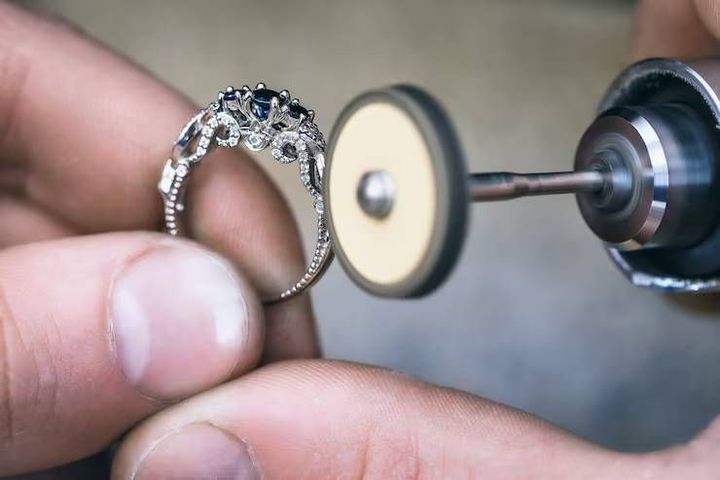
Craftsmanship has a major role in platinum jewelry design because the material must be shaped and finished with appropriate techniques. Casting can create complex forms, while hand finishing can refine edges, surfaces, and settings.
A well-planned design also considers how the jewelry will behave after repeated wear. Edges may need appropriate rounding, gemstone settings require sufficient structural support, and moving components such as clasps or hinges need suitable clearances.
Comparing common design characteristics
| Design approach | Main visual feature | Typical application | Craftsmanship focus |
|---|---|---|---|
| Minimalist | Clean lines and open surfaces | Rings, earrings | Precise proportions |
| Classic | Balanced shapes and traditional settings | Rings, pendants | Symmetry and finishing |
| Geometric | Angular or repeated forms | Rings, bracelets | Accurate construction |
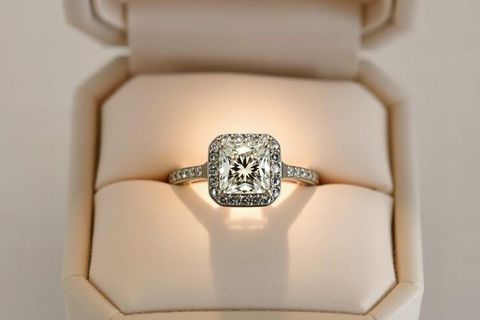
| Gemstone-focused | Metal supports prominent stones | Rings, necklaces | Secure setting |
| Textured | Brushed, hammered, or patterned surfaces | Bracelets, rings | Consistent surface work |
| Sculptural | Three-dimensional artistic forms | Statement pieces | Modeling and shaping |
Recent Updates
Platinum jewelry design continues to develop alongside changes in digital modeling, manufacturing, personalization, and consumer preferences. From 2024 through 2026, the broader jewelry sector has increasingly combined traditional bench craftsmanship with computer-aided design and digital production workflows.
Digital design and customization
Computer-aided design allows a jewelry concept to be developed as a detailed three-dimensional model before physical production. Designers can examine proportions, gemstone placement, wall thickness, and structural features digitally.
Three-dimensional printing can also be used during prototyping. Depending on the production method, a printed model may help evaluate the shape before a metal version is created.
Contemporary minimalist styles
Minimalist platinum jewelry remains part of the wider design landscape. Simple bands, smooth surfaces, low-profile settings, and understated geometric forms can create designs where the metal itself becomes a major visual element.
Another development is the combination of contrasting surface treatments. A single piece can include polished sections alongside brushed or textured areas, creating visual separation without adding additional materials.
Mixed design approaches
Modern platinum jewelry may combine traditional craftsmanship with contemporary geometry. Designers can use historical motifs while changing proportions, reducing ornamentation, or introducing asymmetrical elements.
There is also continued interest in personalization through engraving, gemstone arrangements, unusual profiles, and digitally developed patterns. These approaches allow the same basic jewelry category to take many different forms.
Responsible material considerations
Material traceability and responsible sourcing have become increasingly discussed within the jewelry industry. Consumers and manufacturers may consider the origin of metals, documentation, recycling practices, and supply-chain information when evaluating materials.
These considerations do not determine the appearance of a design, but they can influence material selection and production documentation.
Laws or Policies
In India, precious-metal jewelry is affected by the Bureau of Indian Standards and related hallmarking regulations. However, an important distinction applies to platinum: the current BIS hallmarking overview states that gold and silver are the precious metals presently brought under its hallmarking scheme. Therefore, the Indian BIS hallmarking framework for gold and silver should not automatically be interpreted as a mandatory platinum hallmarking framework.
Understanding hallmarking requirements
India's hallmarking framework operates under the BIS Act and the BIS Hallmarking Regulations. BIS explains hallmarking as the official determination and recording of precious-metal content. Its current regulatory information includes amendments to hallmarking orders through 2026.
For gold jewelry covered by the applicable framework, BIS uses a Hallmark Unique Identification number, or HUID, as part of the hallmark. The BIS CARE application includes a feature for verifying HUID information for applicable hallmarked gold jewelry.
Documentation and consumer information
For hallmarked articles covered by the BIS system, invoices are expected to contain relevant information such as article description, net precious-metal weight, purity, fineness, and applicable hallmarking information. BIS also provides procedures for complaints and testing through recognized Assaying and Hallmarking Centres.
Because regulations can change, platinum jewelry documentation should be considered separately from gold and silver hallmarking requirements. Manufacturers, retailers, and consumers should refer to the current applicable standards for the specific metal and article type.
Tools and Resources
Several tools can help readers understand platinum jewelry design without requiring technical training.
Digital design tools
Computer-aided design platforms can create three-dimensional jewelry models. They allow designers to examine dimensions, gemstone positions, surface forms, and proportions before physical production.
Rendering software can also create realistic visual representations of platinum surfaces, helping designers compare polished, brushed, matte, and textured finishes.
Jewelry measurement tools
Basic jewelry measurement tools include ring gauges, digital calipers, gemstone gauges, and precision scales. These tools help establish dimensions and proportions during design and inspection.
A digital caliper can measure thickness and diameter, while ring-sizing tools help determine appropriate internal dimensions. Professional workshops may use more specialized instruments for casting and finishing.
Reference and verification resources
Official standards organizations provide information about applicable regulations, testing systems, and precious-metal requirements. In India, BIS provides information about hallmarking regulations, recognized Assaying and Hallmarking Centres, and consumer verification resources.
Jewelry design references, CAD libraries, gemstone-setting guides, and technical manuals can also help readers understand terminology such as bezel setting, pavé setting, channel setting, milgrain detailing, engraving, and surface finishing.
FAQs
What is platinum jewelry design?
Platinum jewelry design is the process of planning the shape, structure, surface treatment, gemstone arrangement, and functional details of jewelry made primarily from platinum-based alloys. It can include rings, earrings, necklaces, bracelets, and other decorative pieces.
Why is platinum used in jewelry design?
Platinum is valued in jewelry design for its naturally white appearance, density, durability characteristics, and suitability for detailed gemstone settings. Its physical properties also create a distinctive feel in finished pieces.
What are popular platinum jewelry design styles?
Popular design approaches include minimalist bands, geometric forms, classic gemstone settings, textured surfaces, sculptural shapes, and combinations of polished and brushed finishes. Contemporary designs may also incorporate asymmetry and personalized details.
Does platinum jewelry have a BIS hallmark in India?
The current BIS hallmarking overview states that gold and silver are presently under India's hallmarking scheme. Therefore, platinum jewelry should not automatically be treated as covered by the same BIS hallmarking requirements that apply to gold and silver.
What tools are used for platinum jewelry design?
Designers may use CAD software, three-dimensional modeling systems, precision measuring instruments, gemstone-setting tools, casting equipment, polishing equipment, and engraving tools. The combination depends on the design and production method.
Conclusion
Platinum jewelry design combines material knowledge, visual planning, gemstone setting, digital modeling, and traditional craftsmanship. Modern designs range from minimalist forms and geometric structures to textured surfaces and detailed gemstone arrangements. Current technology allows designers to examine proportions and construction digitally before physical production, while craftsmanship remains important for finishing and structural precision. In India, platinum should be considered separately from the gold and silver articles currently covered by the BIS hallmarking framework.