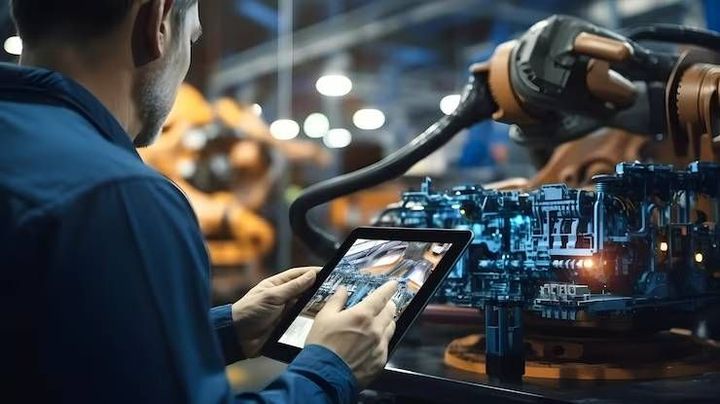
Smart Manufacturing Guide: Automation, IoT, Data Analytics, Benefits and Industrial Applications
Smart manufacturing is an approach to industrial production that connects machines, sensors, software, people, and production data. It uses technologies such as automation, the Internet of Things (IoT), data analytics, artificial intelligence, robotics, and cloud computing to make manufacturing processes more connected and easier to monitor.
Context
What Is Smart Manufacturing?
Smart manufacturing is an approach to industrial production that connects machines, sensors, software, people, and production data. It uses technologies such as automation, the Internet of Things (IoT), data analytics, artificial intelligence, robotics, and cloud computing to make manufacturing processes more connected and easier to monitor.
Traditional factories often depend on separate machines and manually recorded information. Smart manufacturing creates connections between equipment and digital systems so that information can move between different parts of a production environment. This can help workers understand machine conditions, production activity, material movement, and quality information from a common digital view.
How Smart Manufacturing Developed
Smart manufacturing is closely associated with Industry 4.0, the fourth stage of industrial development. Earlier industrial periods introduced mechanization, electrical production systems, and computer-based automation. Industry 4.0 expanded these ideas by connecting physical equipment with digital technologies.
The development of affordable sensors, industrial networks, cloud computing, and advanced analytics has made connected manufacturing more practical across different industries. Manufacturing organizations can now collect information from machines and use it to understand production patterns and operating conditions.
Importance
Why Smart Manufacturing Matters
Manufacturing involves many connected activities, including production planning, machine operation, quality inspection, inventory management, maintenance, and energy use. When these activities depend on isolated information, it can be difficult to identify changes or delays quickly.
Smart manufacturing brings information together and creates a more connected production environment. Automation can handle repetitive activities, while data analytics can help identify patterns in production information. IoT devices can collect information from machines, equipment, storage areas, and other physical assets.
The approach can address several common manufacturing challenges:
- Limited visibility into machine conditions
- Manual recording of production information
- Unexpected equipment interruptions
- Difficulty tracking production quality
- Inefficient material movement
- Separate data systems across departments
- Increasing requirements for cybersecurity and data protection
Benefits of Connected Production
Smart manufacturing can provide several operational benefits when technologies are appropriately designed and managed. These include improved visibility, faster access to production information, more consistent monitoring, and better coordination between machines and workers.
Predictive maintenance is another important application. Sensors can monitor conditions such as temperature, vibration, pressure, or operating hours. Data analytics can then identify changes that may require inspection before a larger equipment problem develops.
| Technology | Main Function | Common Industrial Use |
|---|---|---|
| IoT sensors | Collect physical data | Machine monitoring |
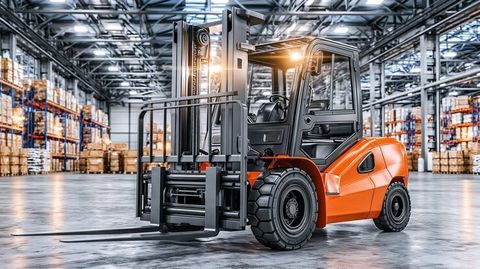
| Automation | Control repetitive processes | Assembly and material handling |
| Data analytics | Examine production information | Quality and performance analysis |
| Robotics | Perform programmed physical tasks | Welding and assembly |
| Digital twins | Represent physical systems digitally | Production simulation |
| Cloud computing | Store and process connected data | Remote data analysis |
| AI and machine learning | Identify patterns in data | Predictive analysis |
Recent Updates
Artificial Intelligence and Data Analytics
From 2024 through 2026, smart manufacturing has increasingly incorporated artificial intelligence and machine learning into production environments. These technologies can analyze large quantities of operational information and identify patterns that may be difficult to detect through manual observation.
AI applications can include visual quality inspection, production forecasting, equipment monitoring, anomaly detection, and process analysis. The reliability of these applications depends on data quality, appropriate system design, and human oversight.
Digital Twins and Robotics
Digital twins have also become an important part of advanced manufacturing discussions. A digital twin is a computer-based representation of a physical machine, production line, or process. It can be used to examine operating conditions and model possible changes before they are introduced to physical equipment.
India's NITI Aayog highlighted artificial intelligence, machine learning, digital twins, robotics, and advanced materials as important technologies in its 2025 roadmap for advanced manufacturing.
Industry 4.0 Development in India
India has continued developing infrastructure and programs related to Industry 4.0. The SAMARTH Udyog Bharat 4.0 initiative includes Industry 4.0 centers focused on demonstrations, technology awareness, digital maturity assessment, and manufacturing development.
In 2025, the Ministry of Heavy Industries reported activities involving smart machines, digital maturity assessments, and an iFactory facility in Ahmedabad connected with Industry 4.0 development in Gujarat.
By 2026, government information reported that four Smart Advanced Manufacturing and Rapid Transformation Hub centers had supported industrial awareness and training activities involving thousands of manufacturing participants.
Greater Focus on Industrial Cybersecurity
As factories become more connected, cybersecurity has become an increasingly important part of smart manufacturing. Connected machines, industrial control systems, IoT devices, and cloud platforms create additional digital connections that need appropriate protection.
CERT-In has continued publishing cybersecurity guidance during 2024–2026, including guidance concerning secure application development, software component information, and AI-assisted vulnerability protection.
Laws or Policies
Manufacturing Policy in India
India's manufacturing sector is influenced by national industrial policies and programs. The National Manufacturing Policy provides a framework for strengthening manufacturing and encouraging industrial development.
The Union Budget 2025–26 also announced the National Manufacturing Mission for small, medium, and large industries. The mission includes areas such as technology availability, workforce development, manufacturing capabilities, quality, and clean technology.
Cybersecurity Requirements
Connected manufacturing systems may fall within broader Indian cybersecurity requirements depending on the organization and technology involved. CERT-In directions under the Information Technology Act include reporting requirements for specified cyber incidents. The listed incident categories include attacks involving SCADA, operational technology, IoT devices, cloud systems, robotics, and other digital systems.
Manufacturing organizations therefore need to consider cybersecurity alongside automation and connectivity. Network segmentation, access controls, secure authentication, monitoring, software maintenance, and incident response can form part of an industrial cybersecurity framework.
Data Protection
Smart factories can generate large quantities of operational and employee-related information. Where personal information is processed, organizations may also need to consider India's applicable data protection framework and related rules.
The exact legal requirements depend on the type of organization, information collected, systems involved, and applicable regulations. Legal and cybersecurity professionals can provide guidance for specific industrial environments.
Tools and Resources
Industrial Monitoring Tools
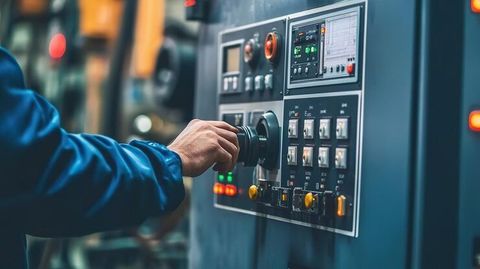
Smart manufacturing commonly uses sensors, programmable logic controllers, industrial gateways, supervisory control systems, manufacturing execution systems, and enterprise software. These technologies can connect physical production activities with digital information.
Common technologies and resources include:
- IoT sensors for temperature, vibration, pressure, and equipment conditions
- PLC systems for industrial machine control
- SCADA systems for monitoring and supervisory control
- MQTT and OPC UA for machine and system communication
- Manufacturing execution systems for production tracking
- Cloud platforms for centralized data storage and analysis
- Data visualization tools for dashboards and reporting
- Digital twin software for simulation and process analysis
Learning and Government Resources
Organizations and readers can also refer to government manufacturing initiatives and technical cybersecurity resources. SAMARTH Udyog Bharat 4.0 provides information about Industry 4.0 centers and manufacturing technology activities in India.
CERT-In provides cybersecurity guidelines and technical material that can help organizations understand digital security considerations. Its published material includes guidance related to industrial control environments and emerging cybersecurity risks.
FAQs
What is smart manufacturing?
Smart manufacturing is a connected approach to industrial production that combines automation, IoT, data analytics, software, sensors, and other digital technologies. It allows production information to be collected, processed, and used across different manufacturing activities.
How does IoT support smart manufacturing?
IoT connects physical equipment and sensors to digital systems. In a factory, IoT devices can collect information about temperature, vibration, machine operation, energy use, production conditions, and other measurable factors.
What role does data analytics play in smart manufacturing?
Data analytics examines information collected from machines and production systems. It can help identify production patterns, equipment changes, quality trends, and operational conditions that may require attention.
What are common smart manufacturing applications?
Common applications include automated assembly, robotic welding, predictive maintenance, machine monitoring, quality inspection, inventory tracking, energy monitoring, digital twins, production scheduling, and industrial cybersecurity.
Is smart manufacturing the same as Industry 4.0?
The terms are closely related but are not always identical. Industry 4.0 describes a broader industrial transformation involving connected technologies, automation, data, and digital systems. Smart manufacturing refers more specifically to the use of these technologies within manufacturing operations.
Conclusion
Smart manufacturing connects industrial equipment, automation, IoT, data analytics, and digital systems to create more connected production environments. Its applications include machine monitoring, predictive maintenance, robotics, quality inspection, digital twins, and production analysis. From 2024 through 2026, artificial intelligence, cybersecurity, digital twins, and Industry 4.0 development have received increasing attention in India. Government manufacturing programs and cybersecurity frameworks also influence how connected industrial systems are developed and managed.