Thailand Andaman Islands Overview: Beaches, Boats and Local Attractions
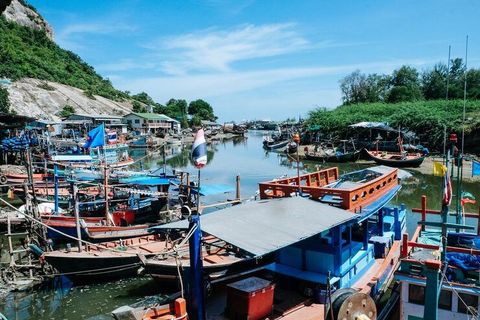
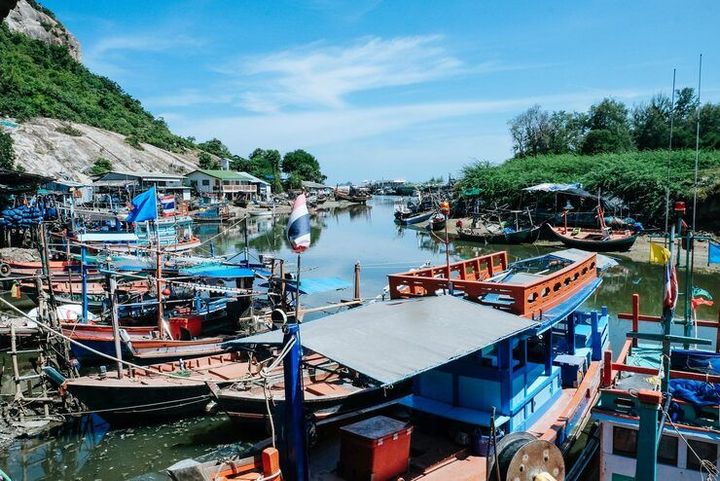
Thailand’s Andaman coast lies along the country’s western shoreline beside the Andaman Sea. It is known for clear tropical waters, limestone cliffs, sandy beaches, coral reefs, fishing communities, and islands with distinctive landscapes. The region forms part of Thailand’s wider tourism and marine environment.
The name “Andaman Islands” can sometimes cause confusion. Thailand’s Andaman coast is not the same as India’s Andaman and Nicobar Islands. In Thailand, the term generally refers to coastal destinations and islands near provinces such as Phuket, Krabi, Phang Nga, Trang, and Satun.
Several destinations are especially well known:
Phuket: Thailand’s largest island, with beaches, historic neighborhoods, markets, and boat excursions.
Krabi: Recognized for limestone cliffs, Railay Beach, and access to nearby islands.
Phang Nga Bay: Famous for dramatic limestone formations rising from the sea.
Phi Phi Islands: Known for striking coastal scenery, snorkeling areas, and sheltered bays.
Similan Islands: A group of islands noted for marine biodiversity and underwater scenery.
Koh Lanta: A more relaxed island destination with beaches, local communities, and nature areas.
Trang Islands: A collection of islands known for scenic beaches, snorkeling, and coastal landscapes.
The region exists as a natural meeting point between tropical forests, coastal settlements, and the sea. Fishing, tourism, transportation, and local food traditions all contribute to its character.
Visitors can explore the coastline through walking, swimming in designated areas, kayaking, snorkeling, diving, or joining boat excursions. However, every island has its own environment, access arrangements, and seasonal conditions.
Importance: Why the Andaman Coast Matters Today
The Andaman coast is important for both Thailand’s tourism economy and its natural environment. Tourism supports accommodation providers, boat operators, restaurants, guides, local transport, and small businesses in coastal communities.
For visitors, the region provides several different experiences within a relatively compact geographic area. Someone interested in beaches can stay near Phuket or Krabi, while a nature enthusiast might prefer an island excursion or a marine national park.
Natural and recreational importance
The region contains coral reefs, mangrove forests, seagrass beds, coastal wetlands, and habitats for many marine species. These environments support biodiversity and help maintain the ecological balance of the coastline.
Common activities include:
Swimming at beaches where conditions permit.
Snorkeling to observe fish and coral habitats.
Scuba diving with qualified professionals.
Kayaking around sheltered bays and mangrove areas.
Exploring local markets, temples, and historic neighborhoods.
Taking guided boat trips to nearby islands.
Learning about coastal food traditions and fishing communities.
Economic and community importance
Tourism can create income for communities, particularly in areas where fishing and agriculture have traditionally been important. Local guides also help visitors understand the geography, history, and cultural traditions of the region.
However, heavy visitor numbers can place pressure on fragile ecosystems. Plastic waste, anchor damage to coral, overcrowding, noise, and disturbance to wildlife are important concerns.
Responsible travel helps reduce these pressures. Visitors can carry reusable water bottles, follow marine park instructions, avoid touching coral, and choose established operators that explain safety procedures.
Choosing the right destination
Destination | Main attraction | Suitable interests |
|---|---|---|
Phuket | Beaches, markets, historic areas | First-time visitors and varied activities |
Krabi | Limestone cliffs and coastal scenery | Nature, beaches, and kayaking |
Phi Phi Islands | Island views and snorkeling | Day trips and marine activities |
Phang Nga Bay | Limestone islands and sheltered waters | Boat trips and photography |
Similan Islands | Marine habitats and underwater scenery | Snorkeling and diving, when permitted |
Koh Lanta | Beaches and local culture | Relaxed stays and nature |
Trang Islands | Coastal scenery and island excursions | Swimming and snorkeling, subject to conditions |
These destinations are not interchangeable. Travel time, weather, boat availability, physical accessibility, and conservation restrictions should influence the final choice.
Recent Updates: Tourism Trends and Seasonal Changes
Travel conditions and conservation rules on Thailand’s Andaman coast can change from year to year. Recent developments show a growing emphasis on protecting marine environments, managing visitor numbers, and improving the way travelers access national parks.
Seasonal national park closures in 2026
On January 15, 2026, the Tourism Authority of Thailand published guidance about seasonal opening and closure arrangements across the national park system. These closures help protect natural habitats and reduce risks during periods of heavy rain and rough seas.
Electronic park ticketing
Thailand has introduced electronic ticketing arrangements at selected national parks, including the Similan Islands. Digital entry systems can help organize visitor access and park administration. Travelers should check which parks require advance registration and what identification details are needed.
Environmental protection remains important because coral reefs are sensitive to rising sea temperatures, pollution, and physical damage. Thailand has previously used temporary marine park closures to help protect coral affected by bleaching.
Current travel planning increasingly needs to account for:
Seasonal restrictions on specific islands and beaches.
Weather-related changes to boat schedules.
Rules governing swimming, snorkeling, and wildlife encounters.
Visitor limits and designated access areas.
Waste reduction and protection of marine habitats.
These developments do not mean every island is closed during the rainy season. Rules differ by location, and mainland attractions may remain accessible even when certain offshore destinations are unavailable.
Laws or Policies: Travel Rules in Thailand
Travelers visiting the Andaman coast should understand Thailand’s entry requirements, national park regulations, and marine safety expectations. The exact rules depend on nationality, destination, activity, and current government instructions.
Immigration and entry requirements
International visitors must follow Thailand’s immigration requirements. Passport validity, entry permissions, permitted length of stay, and any required arrival documentation can vary according to nationality and current policy.
Before departure, travelers should confirm the applicable requirements with the relevant official authorities. They should also keep identification available when required for transportation or national park registration.
National park protection
Marine national parks operate under conservation rules intended to protect wildlife, coastlines, and underwater habitats.
Visitors may need to follow restrictions concerning:
Access to protected islands and beaches.
Swimming and snorkeling in designated areas.
Touching or collecting coral, shells, and other natural materials.
Feeding, chasing, or disturbing wildlife.
Littering and damaging vegetation.
Overnight stays and camping in protected areas.
A destination shown in a travel itinerary is not necessarily open on every date. Park authorities can introduce seasonal closures or temporary restrictions because of environmental conditions and safety concerns.
Boat safety regulations
Boat travel is a major part of exploring the Andaman coast. Before boarding, passengers should pay attention to safety instructions, available life jackets, weather conditions, and the planned route.
Practical precautions include:
Choosing an operator that follows applicable safety requirements.
Wearing a life jacket when instructed or when conditions require it.
Following crew directions during boarding and disembarking.
Avoiding trips when authorities or operators advise against travel.
Taking appropriate sun protection and drinking water.
Informing the crew about mobility concerns or relevant activity limitations.
Travelers should never assume that calm weather on the beach means the open sea is equally safe.
Tools and Resources for Planning an Andaman Trip
A well-planned itinerary helps visitors compare destinations, understand travel times, and prepare for changing conditions. The following general tools and resources can support trip planning without requiring specialized knowledge.
Useful planning tools
Tool or resource | How it helps |
|---|---|
Digital maps | Compare distances between airports, piers, beaches, and accommodation areas |
Weather forecast tools | Review rainfall, wind, waves, and local conditions |
Marine park information systems | Check access rules, closures, and entry arrangements |
Travel budget spreadsheet | Organize transport, accommodation, meals, and activity estimates |
Itinerary planner | Arrange activities by location and available time |
Translation tools | Understand basic Thai phrases and communicate simple requests |
Packing checklist | Track clothing, medication, travel documents, and sun protection |
A simple trip-planning checklist
Before traveling, consider these steps:
Decide whether the main interest is beaches, cultural attractions, diving, or island exploration.
Select a suitable base, such as Phuket, Krabi, or Koh Lanta.
Check the season and forecast for the intended travel dates.
Confirm boat departure points and journey durations.
Verify national park access and ticket requirements.
Keep some flexibility for weather-related changes.
Carry reusable water containers and take personal rubbish back to appropriate disposal points.
For many travelers, November through April is generally a useful starting point for planning Andaman island excursions. However, local weather varies, and favorable seasonal patterns do not guarantee calm seas every day.
FAQs About Thailand’s Andaman Islands
Which places are best for first-time visitors?
Phuket and Krabi are useful starting points because they offer a variety of beaches, local attractions, accommodation areas, and access to island excursions. The best choice depends on preferred activities, available time, and travel style.
When is the best time to visit the Andaman coast?
November through April is generally a popular period for island trips because sea conditions are often more favorable. Weather varies between locations, so travelers should check local forecasts and seasonal restrictions before departure.
Are boat trips available throughout the year?
Boat trips operate on many routes, but schedules depend on weather, sea conditions, and local regulations. Some marine national parks close seasonally. Operators may also cancel individual trips when conditions become unsafe.
Can visitors snorkel around the Andaman Islands?
Snorkeling is possible at designated locations when conditions and regulations permit. Visitors should avoid touching coral, standing on reefs, feeding marine animals, or entering restricted areas. Beginners should follow qualified guides and use suitable safety equipment.
How can travelers support environmental protection?
Travelers can reduce single-use plastic, dispose of rubbish properly, respect wildlife, follow national park rules, and avoid damaging coral or seagrass. Choosing responsible excursions and respecting local communities also helps protect the region.
Conclusion
Thailand’s Andaman coast combines tropical beaches, limestone landscapes, island boat trips, marine habitats, and distinctive local culture. Phuket, Krabi, Phang Nga Bay, the Phi Phi Islands, Koh Lanta, and the Similan Islands each offer different experiences.