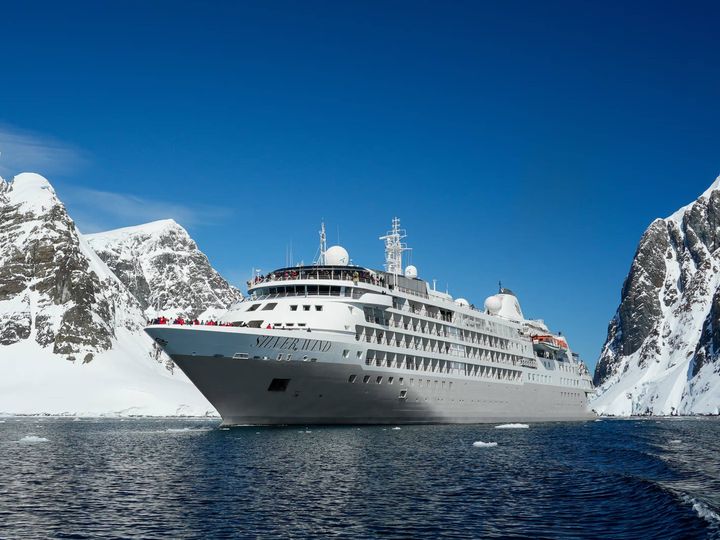
Arctic Expedition Cruises: A Complete Guide to Polar Travel Adventures
An Arctic expedition cruise is a journey through the northern polar region, where travelers explore icy coastlines, remote islands, glaciers, fjords, and areas rich in wildlife. Unlike conventional sightseeing cruises, expedition voyages focus on learning about nature, geography, climate, and local cultures.
The Arctic includes parts of Canada, Greenland, Norway, Russia, the United States, and other northern territories. Its landscape changes dramatically throughout the year. Summer brings long daylight hours in many locations, while winter creates extended darkness and colder conditions.
Expedition vessels are designed to explore selected remote areas while following navigation, environmental, and wildlife protection requirements. Depending on the itinerary, travelers may visit coastal settlements, observe seabirds, watch marine mammals, or join guided excursions when conditions permit.
These journeys exist because the Arctic is both a remarkable natural environment and an important region for scientific research. Its glaciers, sea ice, wildlife, and communities help researchers understand environmental change across the planet.
Travel planning requires more than choosing a destination. Weather, sea conditions, seasonal daylight, vessel capabilities, physical activity, and environmental restrictions can all affect the experience.
Why Arctic Expedition Travel Matters Today
Arctic travel attracts nature enthusiasts, photographers, researchers, and travelers interested in remote landscapes. It also raises important questions about environmental responsibility and the effects of tourism on sensitive ecosystems.
Climate Research and Environmental Awareness
The Arctic is experiencing significant environmental changes, including rising temperatures, shrinking sea ice, and changes in wildlife habitats. These developments influence ecosystems and the lives of northern communities.
An expedition can help travelers understand these changes through naturalist presentations, guided observations, and discussions about polar science.
However, a single journey cannot explain every environmental process. Reliable interpretation depends on scientific evidence and an understanding of local conditions.
Wildlife Observation and Biodiversity
The Arctic supports a variety of animals adapted to cold environments. Depending on the destination and season, travelers may encounter:
Polar bears in suitable coastal habitats.
Arctic foxes and reindeer in selected regions.
Walruses resting on beaches or ice.
Seals living in coastal waters.
Whales, including humpback and minke whales.
Seabirds such as puffins, guillemots, and kittiwakes.
Wildlife sightings are never guaranteed. Animals move according to food availability, breeding cycles, migration, weather, and other natural factors.
Cultural Learning and Local Communities
Arctic regions are home to Indigenous peoples, including Inuit and Sámi communities, as well as other northern populations. Their histories, languages, livelihoods, and knowledge are essential parts of the region.
Responsible itineraries respect local customs and community preferences. Travelers should follow guidance about photography, cultural sites, traditional activities, and interactions with residents.
Education and Personal Preparation
An expedition can also provide practical learning about navigation, geology, ocean ecosystems, glaciers, and cold-weather safety.
Travelers benefit most when they understand that the Arctic is a working natural environment rather than a controlled attraction. Flexibility is essential because wildlife movements and changing weather can alter planned activities.
Popular Arctic Expedition Cruise Destinations
Different destinations provide different landscapes, cultural experiences, and wildlife opportunities. Choosing a region depends on seasonal conditions, itinerary length, interests, and the type of expedition being planned.
The following comparison summarizes common destination characteristics. Wildlife sightings and access depend on season and local conditions.
Destination | Main attractions | Typical travel interest |
|---|---|---|
Svalbard, Norway | Glaciers, fjords, seabirds, polar bear habitat | Wildlife and dramatic scenery |
Greenland | Icebergs, large ice formations, coastal settlements | Glacial landscapes and culture |
Canadian Arctic | Remote islands, tundra, marine wildlife | Wilderness and northern history |
Iceland's northern waters | Volcanic coastlines, seabirds, marine mammals | Nature and coastal exploration |
Alaska's Arctic regions | Tundra, coastal ecosystems, Indigenous heritage | Wildlife and landscape photography |
Svalbard: Glaciers and Arctic Wildlife
Svalbard is a Norwegian Arctic archipelago known for mountain scenery, glaciers, tundra, and marine wildlife. Summer expeditions often focus on fjord exploration, seabird colonies, and observations of animals in their natural habitats.
Polar bears live in the wider region, but encounters are unpredictable and must be managed carefully to protect both people and animals.
Greenland: Icebergs and Coastal Landscapes
Greenland offers immense ice formations, rugged coastlines, and communities with distinctive cultural traditions. Depending on the route, travelers may explore fjords, observe glaciers, or learn about life in remote settlements.
Weather, sea ice, and local operating conditions can influence which areas are accessible.
Canadian Arctic: Remote Wilderness
The Canadian Arctic includes extensive islands, tundra environments, and waterways associated with northern exploration and Indigenous history. Some itineraries emphasize wildlife, while others focus on cultural learning and historical sites.
Because settlements can be widely separated, expedition planning must account for distance, limited infrastructure, and emergency response arrangements.
Alaska's Northern Regions
Arctic Alaska provides opportunities to learn about tundra ecology, coastal wildlife, and Indigenous cultures. Access varies considerably between locations, and not every Arctic expedition itinerary includes the same regions.
Travelers should examine the exact route rather than assuming that a cruise visiting Alaska will necessarily reach the Arctic Circle.
Best Time to Plan an Arctic Expedition Cruise
The best season depends on the destination and the experiences a traveler hopes to have. Most Arctic expedition cruises operate during the warmer months, although exact schedules vary by region and vessel.
Season | Common conditions | Planning considerations |
|---|---|---|
Spring | Increasing daylight and lingering sea ice | Access may be limited |
Summer | Long daylight and many wildlife observation opportunities | Popular travel period |
Early autumn | Changing colors and shorter days | Colder weather and changing sea conditions |
Winter | Darkness and severe cold in many areas | Conventional expedition cruise options are more limited |
Summer is generally the main season for expedition cruising in Svalbard and Greenland. However, there is no single ideal month for every destination.
Travelers should compare expected daylight, wildlife activity, sea ice, and local weather before selecting a departure. Northern lights are associated with dark skies, so summer's extended daylight can make viewing them difficult or impossible.
Practical Arctic Travel Tips
Preparation can make a major difference to comfort and safety.
Wear layers: Choose a moisture-managing base layer, an insulating middle layer, and a waterproof outer layer.
Protect your extremities: Warm gloves, suitable socks, and insulated footwear help manage cold and wind.
Carry appropriate eye protection: Snow, ice, and reflected sunlight can cause glare.
Prepare for changing plans: Fog, strong winds, waves, and ice may affect landings or routes.
Review physical requirements: Some excursions involve uneven ground, wet surfaces, stairs, or getting into small boats.
Check travel documents: Passport validity, entry requirements, travel insurance, and any required permits depend on nationality and destination.
Prepare camera equipment: Cold weather can reduce battery performance, so carry spare batteries and keep equipment protected from moisture.
Follow wildlife guidance: Never approach, feed, or attempt to attract wild animals.
Travelers should also review emergency procedures, medical facilities, evacuation arrangements, and the level of onboard medical support before departure.
Recent Updates in Arctic Expedition Travel
Arctic travel continues to change as environmental protection, visitor safety, and responsible tourism receive greater attention.
New Svalbard Field Safety Regulations in 2026
Norway introduced updated Field Operation Safety Regulations for Svalbard on 1 January 2026. The rules establish requirements relating to permits, travel activities, and safety planning. An approval framework for Svalbard guides is also being introduced, with the guide approval requirement scheduled to apply from 1 July 2027.
These changes make it especially important to check current requirements for organized excursions and independent expeditions.
Stronger Attention to Responsible Wildlife Viewing
Updated visitor guidance published by the Association of Arctic Expedition Cruise Operators in June 2026 emphasizes avoiding wildlife disturbance, respecting local communities, protecting vegetation, and leaving cultural remains untouched.
Travelers should expect guides to set boundaries around wildlife and determine whether a landing is appropriate.
Greater Focus on Biosecurity
Biosecurity measures aim to prevent seeds, insects, soil, and microorganisms from being carried into sensitive Arctic habitats. Travelers may be asked to clean footwear, clothing, and outdoor equipment before landings or when moving between regions.
These precautions are important because Arctic ecosystems can be vulnerable to introduced species and environmental disturbance.
Laws, Policies, and Environmental Protection
Arctic expedition cruises operate under national laws, international maritime frameworks, and location-specific environmental rules. Requirements differ between Norway, Greenland, Canada, the United States, and other Arctic jurisdictions.
Protected Areas and Wildlife Rules
National parks, wildlife reserves, and other protected areas may restrict vessel movements, landing locations, visitor numbers, and activities near animals. Some sites also have seasonal restrictions to protect breeding birds and other wildlife.
For example, Svalbard has specific environmental protections covering wildlife, vegetation, and historic remains. Visitors must follow applicable rules and instructions from authorized guides.
Maritime Safety Requirements
Passenger vessels must comply with applicable maritime safety requirements, which may cover vessel equipment, emergency procedures, crew training, navigation, and passenger protection. International standards can also apply, depending on the vessel and voyage.
Before traveling, passengers should review safety briefings and understand evacuation procedures.
Responsible Tourism Guidelines
Industry guidelines complement formal regulations. They encourage travelers to:
Keep a respectful distance from wildlife.
Avoid littering or removing natural objects.
Clean footwear and equipment when required.
Respect Indigenous cultures and community preferences.
Follow guide instructions during landings.
Avoid disturbing nesting birds and fragile vegetation.
These guidelines are not a substitute for local law. Travelers should check the current rules for every destination on their itinerary.
Tools and Resources for Arctic Travel Planning
A well-organized planning process helps travelers understand the conditions and requirements of a polar journey. General resources can be useful even before a specific itinerary is selected.
Weather forecasting tools: Review temperature, wind speed, precipitation, visibility, and marine forecasts.
Sea ice information: Examine seasonal ice conditions and understand how they may affect navigation.
Maps and navigation tools: Study coastlines, fjords, settlements, protected areas, and planned routes.
Wildlife identification guides: Learn about Arctic birds, marine mammals, and land animals before traveling.
Travel preparation checklists: Organize clothing, medications, documents, camera equipment, and personal essentials.
Insurance assessment tools: Review medical coverage, emergency evacuation, trip interruption, and exclusions for remote destinations.
Environmental guidance: Read visitor rules and biosecurity instructions for the specific destination.
Educational resources: Explore polar science, glacier formation, ocean ecosystems, and Indigenous history through reputable educational materials.
A useful planning checklist should include the departure date, destination, expected weather, physical activity level, travel documents, emergency arrangements, and environmental responsibilities.
Frequently Asked Questions
What is an Arctic expedition cruise?
An Arctic expedition cruise is a voyage focused on exploring polar landscapes, wildlife, local communities, and natural environments. Activities may include guided shore visits, wildlife observation, educational presentations, and small-boat excursions.
When is the best time to visit the Arctic?
Summer is the main season for many Arctic expedition cruises because daylight is extensive and access to selected coastal areas may be easier. The best timing depends on the destination, wildlife interests, and local ice conditions.
Can travelers see polar bears during an expedition?
Polar bears live in several Arctic regions, including Svalbard and parts of Greenland and Canada. However, sightings are not guaranteed. Travelers should never approach bears and must follow their guide's safety instructions.
What should travelers pack for an Arctic cruise?
Essential items generally include layered clothing, a waterproof outer jacket, insulated footwear, warm gloves, suitable socks, eye protection, personal medications, and necessary travel documents. The exact list depends on the season and planned activities.
Are Arctic expedition cruises environmentally responsible?
Their environmental impact depends on vessel operations, itinerary choices, visitor behavior, and compliance with regulations. Travelers can help reduce disturbance by following wildlife guidelines, preventing litter, respecting local communities, and observing biosecurity procedures.
Conclusion
Arctic expedition cruises provide opportunities to explore glaciers, remote coastlines, distinctive wildlife, and northern cultures while learning about the environmental changes affecting polar regions. Destinations such as Svalbard, Greenland, the Canadian Arctic, and northern Alaska each offer different experiences.