Destination Wedding Planning: Explore Luxury Venues & Wedding Trends
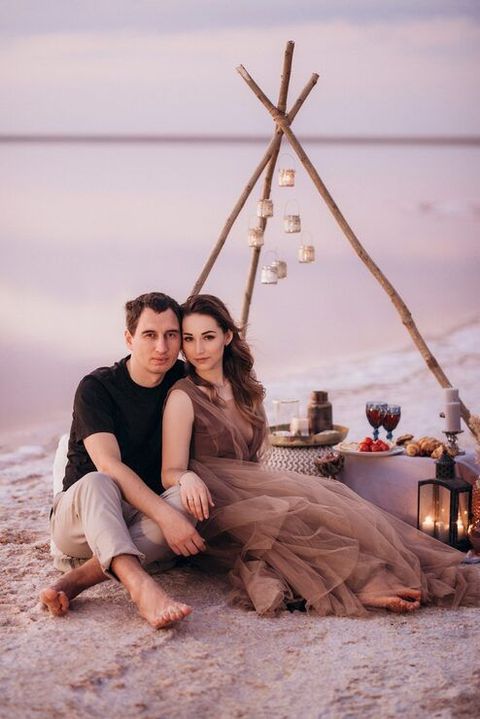
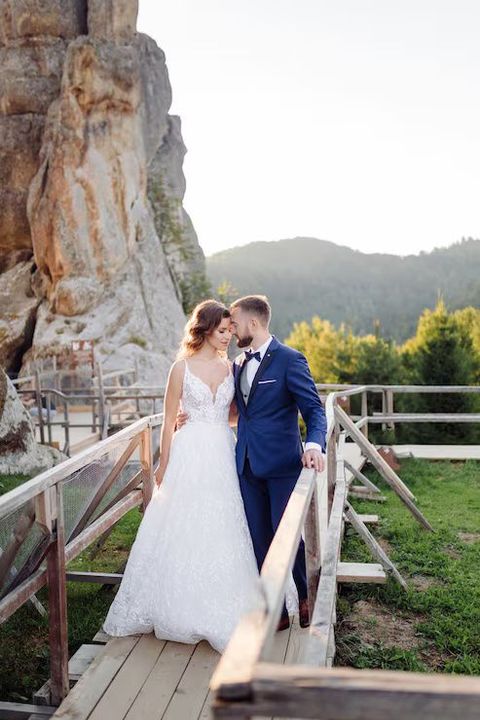
A destination wedding is a wedding celebration held away from the couple's usual city or hometown. It can take place at a beach, mountain resort, heritage property, countryside venue, private estate, or another destination that has special meaning to the couple.
Destination wedding planning brings several areas together. These include venue research, travel arrangements, guest accommodation, ceremony planning, photography, food arrangements, decorations, entertainment, and legal documentation.
The idea has become increasingly connected with luxury wedding venues, destination tourism, cultural experiences, and personalized celebrations. Instead of organizing one event in a familiar local location, couples may plan several functions across a destination.
A typical destination wedding may include:
- Welcome gatherings for guests
- Traditional or religious ceremonies
- Wedding and reception events
- Pre-wedding celebrations
- Photography sessions
- Local cultural activities
- Guest travel and accommodation planning
- Post-wedding gatherings
Planning usually starts by deciding the destination, approximate guest count, wedding style, season, and number of events. These decisions influence nearly every later part of the planning process.
Popular destination categories include beaches, historic cities, hill destinations, palace-style venues, countryside properties, and tropical locations. The right choice depends on accessibility, weather, local regulations, guest requirements, and the type of celebration being planned.
Why Destination Weddings Matter Today
Destination weddings combine wedding planning with travel and hospitality. They can create an extended experience for couples and their guests rather than limiting the celebration to a single day.
The trend also affects several groups, including couples, families, travelers, hospitality businesses, destination authorities, photographers, event professionals, and local communities.
One important consideration is guest accessibility. A visually attractive venue may not be practical if guests face complicated travel arrangements or limited transportation options. For this reason, destination wedding planning increasingly considers convenience alongside appearance.
Important planning factors include:
- Destination accessibility
- Seasonal weather conditions
- Guest travel requirements
- Accommodation availability
- Venue capacity
- Local cultural practices
- Photography opportunities
- Food preferences
- Accessibility requirements
- Marriage documentation
- Event schedules
Luxury wedding venues can provide distinctive architecture, natural scenery, dedicated event spaces, and accommodation options. However, couples should evaluate venues based on practical requirements rather than appearance alone.
Destination weddings can also support cultural tourism. Guests may explore local attractions, cuisine, traditions, and historical locations around the wedding schedule.
For couples researching luxury destination weddings, search terms such as destination wedding venues, luxury wedding planning, wedding venue guide, destination wedding ideas, wedding travel planning, and luxury event venues can help organize research around different stages of the process.
Recent Destination Wedding Trends and Updates
Destination wedding preferences have continued to develop during 2025 and 2026. One important development in India is the continued government focus on wedding tourism as part of destination and tourism promotion.
In a written answer dated March 24, 2025, India's Ministry of Tourism stated that development and promotion of tourist destinations and tourism products, including wedding tourism, are undertaken by State Governments and Union Territory administrations, while the Ministry supports these efforts through tourism promotion.
This creates a broader connection between destination weddings and tourism planning.
Current planning trends include:
Smaller and More Intimate Celebrations
Some couples are focusing on smaller guest groups and more personalized experiences. Smaller celebrations can make it easier to coordinate travel, activities, ceremony schedules, and guest interaction.
Multi-Day Wedding Experiences
Instead of concentrating every activity into one day, couples may organize welcome events, ceremonies, cultural activities, and receptions over multiple days.
Heritage and Cultural Venues
Historic properties and culturally significant destinations remain attractive for couples who want architecture and local traditions to become part of the wedding setting.
Outdoor Wedding Experiences
Beaches, gardens, mountains, vineyards, and countryside locations can provide natural backgrounds for ceremonies and photography. Weather planning remains essential for outdoor events.
Technology-Assisted Planning
Digital invitations, guest-management platforms, online maps, virtual venue tours, planning spreadsheets, digital seating charts, and online communication tools can simplify coordination.
Sustainable Wedding Planning
Environmental considerations are also becoming part of event planning. Couples may consider reducing unnecessary travel, limiting disposable materials, selecting seasonal products, and planning waste management.
These trends do not apply equally to every wedding. Couples should select planning approaches according to their guest requirements, destination conditions, cultural traditions, and personal preferences.
Laws and Policies for Destination Weddings in India
Destination weddings in India can involve both marriage laws and state-level registration procedures. Legal requirements depend on the type of marriage, religion or applicable law, and the location where the marriage is solemnized or registered.
The Hindu Marriage Act, 1955 provides the legal framework for Hindu marriages. It includes conditions for marriage, customary ceremonies, and provisions relating to registration. The Act specifies, among other conditions, that the bridegroom must have completed 21 years and the bride 18 years at the time of marriage.
The Special Marriage Act, 1954 provides another legal framework for marriages meeting its statutory conditions. It includes provisions concerning Marriage Officers, solemnization, declarations, witnesses, and marriage certificates.
For couples planning a destination wedding, legal preparation should therefore be considered separately from the event itself.
Useful documentation may include:
- Identity documents
- Age-related documentation
- Address documentation
- Passport documents where relevant
- Witness identification
- Marriage-related forms
- Photographs
- Previous marriage or divorce documentation where applicable
Requirements and procedures can differ by state and situation. The Ministry of Tourism's March 2025 parliamentary response also discussed efforts relating to marriage registration procedures and concerns about documentation and registration for non-residents.
For international weddings involving Indian citizens outside India, the Foreign Marriage Act, 1969 is also relevant.
Because legal requirements can change and procedures vary, couples should confirm the applicable requirements with the relevant Marriage Officer, registration authority, embassy, or other competent government authority before finalizing legal arrangements.
Planning Tools and Resources
A structured planning system can make a destination wedding easier to manage. Couples can use general digital tools rather than relying on memory or scattered messages.
Useful resources include:
| Planning Area | Helpful Tool or Resource |
|---|---|
| Guest management | Digital guest list and RSVP template |
| Budget planning | Wedding planning spreadsheet |
| Travel | Destination travel planner |
| Venue research | Venue comparison checklist |
| Scheduling | Shared event calendar |
| Seating | Digital seating chart |
| Documentation | Marriage document checklist |
| Weather | Seasonal weather calendar |
| Guest communication | Group communication platform |
| Planning progress | Wedding task tracker |
A venue comparison worksheet can include destination accessibility, venue capacity, accommodation, event spaces, weather considerations, ceremony restrictions, food arrangements, photography rules, and documentation requirements.
A guest checklist should track invitations, confirmations, travel details, accommodation information, dietary requirements, and special accessibility needs.
Couples researching luxury wedding venues can also create a comparison table covering location, capacity, architecture, outdoor areas, indoor backup spaces, guest accommodation, transportation access, and local regulations.
Frequently Asked Questions
What is a destination wedding?
A destination wedding is a wedding celebration held away from the couple's usual hometown or residence. It may take place at a beach, resort, heritage property, mountain destination, or another travel location.
How far in advance should destination wedding planning begin?
Planning time depends on the destination, guest count, season, venue availability, and number of wedding events. International celebrations generally require additional preparation for travel and documentation.
What should couples consider when choosing a luxury wedding venue?
Important factors include location, accessibility, capacity, weather, accommodation, event spaces, cultural requirements, photography conditions, food arrangements, and applicable rules.
Are destination weddings legally recognized in India?
A destination wedding can be legally recognized when it is conducted and registered according to the applicable marriage law and registration requirements. The specific procedure depends on the type of marriage and relevant state or local authority.
Can an Indian citizen marry outside India?
Yes, Indian citizens can marry outside India, but the applicable legal framework and documentation depend on the circumstances and destination. The Foreign Marriage Act, 1969 contains provisions relating to marriages of Indian citizens outside India.
Conclusion
Destination wedding planning combines wedding celebrations with travel, hospitality, culture, and event management. A successful planning process begins with practical decisions about destination, guests, season, venue, ceremonies, travel, and documentation.