Tyre Balancing Machines Overview: Machine Types, Features and Balancing Processes
Tyre balancing machines are workshop machines used to identify uneven weight distribution in a tyre and wheel assembly. When a wheel rotates, even a small difference in mass distribution can create an imbalance. The machine detects this condition and indicates where balancing weight may be required.
Context
The basic concept of wheel balancing comes from the need to make rotating components move around their intended axis with less uneven force. As vehicle wheels rotate at increasing speeds, an imbalance can become more noticeable through vibration, uneven tyre wear, or changes in driving comfort.
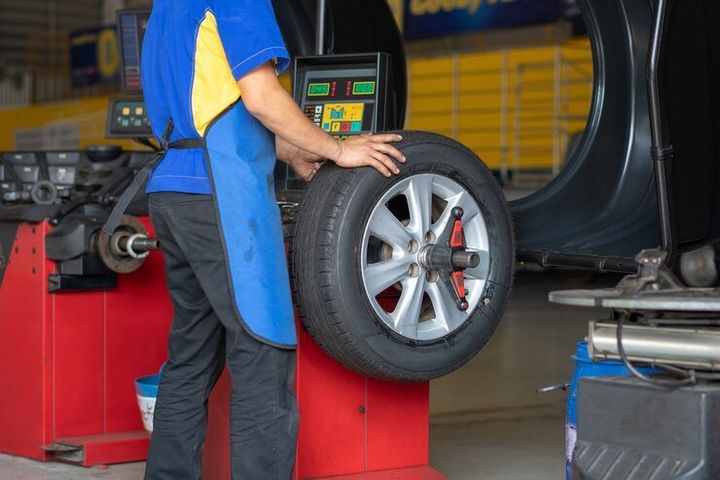
Modern tyre balancing machines combine a rotating spindle, wheel-mounting system, sensors, and electronic controls. Depending on the machine type, the operator may enter wheel dimensions manually or allow sensors to measure some dimensions automatically.
A balancing machine does not repair a damaged tyre, bent wheel, worn suspension component, or incorrect wheel alignment. Its primary purpose is to measure rotational imbalance and provide information for correcting the weight distribution of the wheel assembly.
How wheel imbalance develops
Wheel imbalance can occur when the mass of a tyre and wheel assembly is not evenly distributed around its rotational axis. Several factors can contribute to this condition, including differences in tyre construction, wheel manufacturing tolerances, changes after tyre mounting, or the movement or removal of balancing weights.
Two basic forms of imbalance are commonly discussed:
- Static imbalance involves a concentration of mass that produces an up-and-down tendency as the wheel rotates.
- Dynamic imbalance involves unequal mass distribution across different planes of the wheel and can create a combination of vertical and lateral forces.
Modern machines can measure these conditions electronically and calculate correction positions.
Main components of a balancing machine
A typical tyre balancing machine contains several interconnected parts. The spindle holds the wheel assembly and allows it to rotate, while sensors detect forces associated with imbalance.
Other components may include a wheel guard, measurement arm, control panel, display, motor, shaft, cones or adapters, and a system for entering wheel dimensions. Machine configurations vary according to their intended wheel sizes and operating environment.
Importance
Wheel balance is an important part of maintaining a rotating wheel assembly. An imbalance that becomes significant during rotation can produce vibration that may be felt through the steering wheel, vehicle body, or seat.
Balanced wheel assemblies can also help reduce uneven mechanical loading. However, vibration does not always indicate an imbalance. Wheel damage, tyre deformation, worn suspension components, incorrect inflation, or alignment-related conditions can produce similar symptoms.
Tyre balancing machines are therefore used as measurement equipment rather than as a complete diagnostic system for every wheel or vehicle problem.
Where tyre balancing machines are used
These machines are used in a variety of environments where tyres and wheels are inspected, mounted, or balanced. Applications can include:
- Passenger vehicle wheel assemblies
- Commercial vehicle wheels
- Motorcycle wheels
- Light-duty utility vehicles
- Agricultural and specialty wheels
- Vehicle manufacturing and assembly environments
- Tyre and wheel workshops
The machine required for a particular application depends on wheel diameter, wheel width, wheel weight, mounting method, rotational speed, and the range of assemblies being handled.
Benefits of accurate balancing
Accurate balancing helps identify uneven mass distribution before a wheel assembly is returned to operation. The measurement can also provide information about the amount and location of correction required.
A balancing process may help address vibration associated specifically with wheel imbalance, but it should not be treated as a solution for every vibration problem. Correct diagnosis is important because several vehicle components can influence wheel rotation and ride behavior.
Recent Updates
Tyre balancing machines have increasingly incorporated electronic measurement, automatic dimension detection, digital displays, and software-assisted operation. These developments reduce the amount of manual calculation required from the operator and can make the balancing process more consistent.
Modern equipment may use laser or electronic measurement systems to determine wheel dimensions and correction positions. Some machines can also identify different balancing modes depending on the wheel material, rim design, or selected correction method.
Automation and digital measurement
Automation is becoming more common in wheel balancing equipment. Depending on the machine design, automatic features may include:
- Automatic wheel dimension measurement
- Electronic detection of imbalance
- Automatic positioning of the wheel
- Digital indication of correction weight
- Multiple balancing programs
- Data storage or connectivity
- Touchscreen or simplified control interfaces
These features can change how the operator interacts with the equipment, but they do not remove the need for correct wheel mounting and appropriate machine setup.
Changing wheel designs
Modern vehicles use a wide range of wheel materials, shapes, diameters, and spoke configurations. This has increased the importance of suitable adapters and balancing programs.
Some machines provide dedicated programs for alloy wheels, narrow wheels, motorcycle wheels, or other specialized assemblies. The appropriate configuration depends on the wheel design and the equipment manufacturer's specifications.
Laws or Policies
Tyre balancing machines are generally influenced by several types of rules rather than by one universal regulation. Requirements can differ according to the country, workplace, machine category, vehicle type, and activities performed around the equipment.
Workplace safety rules may address machine guarding, electrical safety, operator training, personal protective equipment, lifting procedures, and hazards associated with rotating machinery. Separate requirements can apply to tyre inflation and the handling of pressurized wheel assemblies.
International machinery-safety standards also address hazards associated with rotating balancing equipment. ISO 21940-23, for example, addresses protective measures and enclosures for balancing machines where rotating components can create mechanical hazards.
Vehicle and tyre regulations can also establish requirements concerning tyre construction, wheel assemblies, roadworthiness, or testing procedures. These requirements do not necessarily prescribe how every workshop must operate a balancing machine.
Because regulations differ between jurisdictions, operators and organizations should use the current rules applicable to their location and the specific equipment involved. Manufacturer instructions, workplace safety procedures, and applicable machinery requirements should be considered together.
Tools and Resources
Several tools and reference materials can support tyre balancing work and help explain how balancing machines operate.
Wheel measurement tools
Balancing machines commonly use measurement arms or electronic sensors to determine dimensions such as rim diameter and wheel width. Some equipment requires these values to be entered manually.
Correct dimensional information is important because the machine uses it when calculating the position and amount of balancing correction.
Balancing weights
Balancing weights are used to compensate for measured differences in mass distribution. They may be attached to specific locations on a wheel according to the balancing method and wheel design.
Common approaches include clip-on weights and adhesive weights. The appropriate type depends on the wheel construction, available mounting surface, and applicable instructions.
Machine calibration information
Calibration is an important part of maintaining measurement equipment. A machine that is not correctly calibrated may produce inconsistent results even when the wheel is mounted correctly.
Manufacturers generally provide procedures for checking or calibrating their equipment. The exact procedure varies by machine model.
Technical manuals and reference materials
Useful resources can include:
- Machine operating manuals
- Wheel and tyre manufacturer specifications
- Equipment calibration instructions
- Wheel measurement guides
- Workplace safety procedures
- Applicable machinery and vehicle regulations
- Technical standards concerning balancing machines
These resources can help operators understand machine limitations, compatible wheel configurations, and appropriate operating procedures.
Basic balancing process
The general balancing process can be described in several stages:
- Inspect the tyre and wheel assembly for visible damage or foreign material.
- Select an appropriate adapter or mounting method.
- Mount the wheel securely on the balancing machine.
- Enter or measure the required wheel dimensions.
- Run the wheel at the machine's specified measurement speed.
- Allow the machine to detect and calculate imbalance.
- Apply the indicated correction weights in the specified positions.
- Perform a verification measurement.
- Check that the final result falls within the machine's applicable measurement range.
The exact sequence varies between machine types, and manufacturer instructions should take priority for model-specific procedures.
FAQs
What is a tyre balancing machine?
A tyre balancing machine is equipment that measures uneven mass distribution in a tyre and wheel assembly. It rotates the assembly and uses sensors to determine the amount and location of imbalance.
What are the main tyre balancing machine types?
Common categories include manual-input wheel balancers, automatic-dimension machines, computerized balancing machines, motorcycle balancing machines, and equipment designed for larger commercial or specialty wheels. The main differences involve wheel capacity, measurement systems, automation, and available balancing programs.
How does a tyre balancing machine work?
The wheel is mounted on a spindle and rotated. Sensors detect forces produced by uneven mass distribution, after which the machine calculates where correction weight should be positioned and displays the relevant information.
What features should a tyre balancing machine have?
Common features include electronic imbalance detection, suitable wheel adapters, digital displays, measurement arms, multiple balancing modes, automatic positioning, and calibration functions. The useful feature set depends on the wheel types and operating environment.
What is the difference between tyre balancing and wheel alignment?
Tyre balancing addresses uneven mass distribution in a rotating tyre and wheel assembly. Wheel alignment concerns the geometric relationship between the wheels and the vehicle, including angles such as toe and camber. They are separate processes that address different conditions.
Conclusion
Tyre balancing machines measure uneven weight distribution in rotating tyre and wheel assemblies and indicate the correction required to improve balance. Digital sensors, automatic measurement systems, and computerized controls have expanded the capabilities of modern equipment. Machine selection and operation depend on wheel dimensions, application, mounting method, measurement requirements, and applicable safety procedures. Proper balancing measurements should also be considered alongside other tyre, wheel, suspension, and alignment factors when investigating vibration or uneven wear.