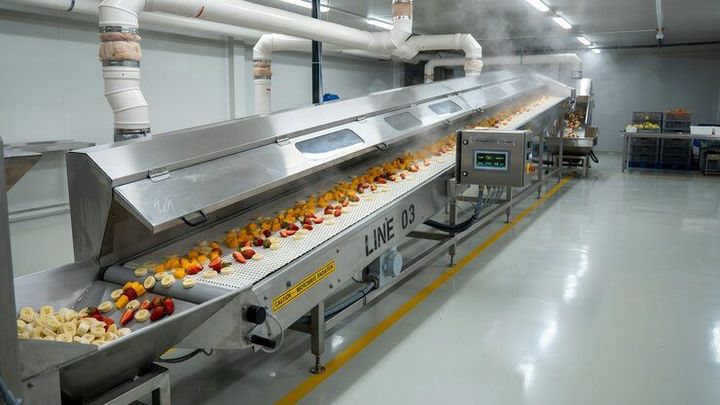
Food Manufacturing Insights: Industrial Machinery, Processing Techniques, Packaging and Quality Control
Food manufacturing is the process of transforming agricultural products, raw ingredients, and other edible materials into packaged food products through a series of industrial operations. It involves several stages, including ingredient preparation, processing, cooking, preservation, packaging, storage, and distribution.
Context
The development of food manufacturing is closely connected to changes in agriculture, transportation, food preservation, and consumer requirements. Earlier food production relied heavily on manual preparation, small-scale processing, and traditional preservation techniques such as drying, salting, and fermentation. As food production expanded, manufacturers began using specialized machinery to process larger quantities of ingredients with more consistent procedures.
Today, food manufacturing facilities handle a wide range of products, including dairy items, bakery products, beverages, packaged meals, snacks, frozen foods, and processed agricultural ingredients. Each category requires different processing techniques, machinery configurations, packaging materials, and quality control procedures.
Main stages of food manufacturing
Food production generally follows a sequence of connected operations. Although the exact arrangement varies by product, the main stages commonly include:
Raw material handling: Receiving, inspecting, cleaning, and preparing ingredients.
Processing: Mixing, grinding, heating, cooling, blending, or separating materials.
Preservation: Applying suitable techniques to manage microbial activity and maintain product stability.
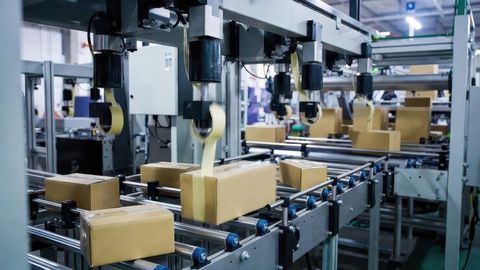
Packaging: Filling containers, sealing packages, labeling products, and preparing them for storage.
Quality inspection: Checking product characteristics, packaging integrity, and production records.
These stages form an integrated production system in which equipment, ingredients, workers, and operating procedures influence the final product.
Importance
Food manufacturing plays an important role in the availability and distribution of food products. Industrial processing allows agricultural ingredients to be converted into different food forms, while packaging and preservation techniques help maintain product condition during storage and transportation.
The industry also supports food production across different scales, from smaller processing facilities to large manufacturing plants. Its operations involve farmers, ingredient processors, equipment manufacturers, packaging producers, transportation networks, and food retailers.
Why industrial food processing matters
Raw agricultural materials often require several preparation and treatment stages before they become suitable for consumption or further manufacturing. Industrial food processing helps manage these requirements through controlled operations.
For example, milk processing involves filtration, heat treatment, cooling, and packaging. Bakery production involves ingredient measurement, mixing, dough preparation, baking, cooling, and packaging. Beverage manufacturing may include water treatment, blending, filtration, filling, and sealing.
These processes address several practical challenges:
Consistency: Controlled ingredient quantities and processing conditions help maintain similar product characteristics across production batches.
Preservation: Suitable processing methods help manage spoilage and extend the usable period of certain foods.
Hygiene: Equipment design and cleaning procedures help reduce contamination risks.
Production management: Automated machinery can coordinate repetitive operations and monitor production conditions.
Packaging protection: Appropriate containers help protect food from moisture, oxygen, light, and physical damage.
Role of industrial machinery
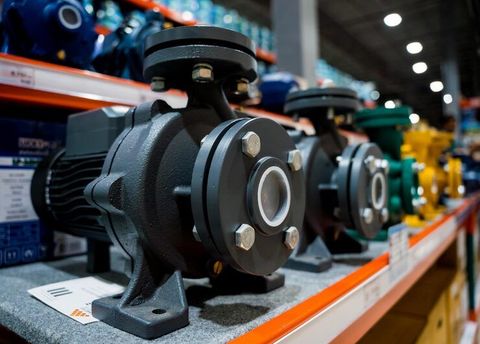
Industrial machinery forms the operational foundation of modern food manufacturing. Equipment selection depends on ingredient properties, product type, production capacity, processing conditions, and facility layout.
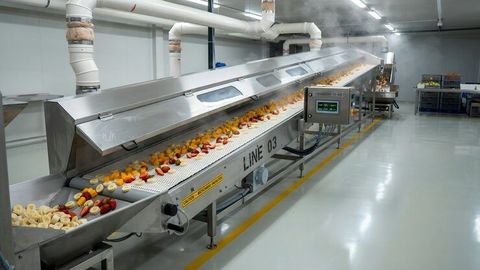
Common machinery includes industrial mixers, grinders, conveyors, pasteurization systems, ovens, dryers, refrigeration equipment, filling machines, and packaging lines. These machines may operate independently or as part of an integrated production system.
| Machinery | Main function | Common application |
|---|---|---|
| Industrial mixer | Combines ingredients | Bakery products and sauces |
| Food grinder | Reduces material size | Meat, grains, and spices |
| Pasteurization system | Applies controlled heat treatment | Milk and liquid foods |
| Industrial oven | Cooks or bakes products | Bread, biscuits, and snacks |
| Food conveyor | Moves materials between stages | Processing and packaging lines |
| Filling machine | Transfers measured quantities into containers | Beverages and liquid foods |
| Refrigeration system | Maintains controlled temperatures | Dairy and frozen foods |
| Sealing machine | Closes packaging materials | Packaged food products |
Recent Updates
Food manufacturing has increasingly incorporated automation, digital monitoring, improved processing controls, and more efficient packaging systems. Developments from 2024–2026 reflect a wider industry focus on production visibility, resource management, food safety, and manufacturing consistency.
Automation and smart manufacturing
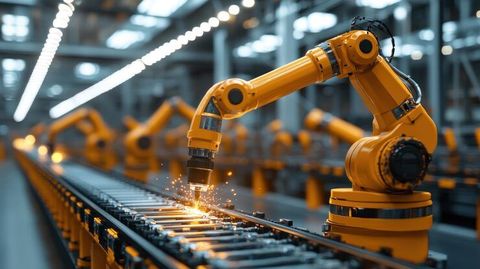
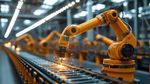
Automated food production lines increasingly combine sensors, programmable logic controllers, robotics, and computerized monitoring systems. These technologies help coordinate operations such as ingredient dosing, mixing, sorting, filling, and packaging.
Robotic equipment is also being used for repetitive handling activities, including product placement, container movement, and pallet preparation. The level of automation varies according to product requirements, facility size, and production complexity.
Artificial intelligence and production monitoring
Artificial intelligence is becoming part of food manufacturing systems through applications such as visual inspection, predictive maintenance, and production data analysis. Camera-based inspection systems can examine product appearance, packaging alignment, and certain visible defects.
Predictive maintenance systems analyze operating information such as temperature, vibration, and machine performance. This information can help identify unusual operating patterns that may indicate equipment maintenance requirements.
However, automated inspection does not replace every form of physical testing or human assessment. Different food characteristics require different inspection methods.
Sustainable food packaging
Packaging developments increasingly focus on material reduction, recyclable formats, improved barrier properties, and packaging designs suited to product requirements. Paper-based materials, recyclable plastics, and certain compostable materials are being explored across different applications.
Material selection remains important because packaging must protect food against environmental conditions while maintaining appropriate storage characteristics. Not every alternative material is suitable for every food product or distribution environment.
Advanced processing techniques
Food manufacturers are also examining processing technologies such as high-pressure processing, membrane filtration, improved thermal treatment, and automated temperature control.
High-pressure processing uses elevated pressure to reduce certain microorganisms in suitable food products while limiting the heat exposure associated with some conventional treatments. Its application depends on food composition, packaging compatibility, and validated processing conditions.
Laws or Policies
Food manufacturing is shaped by food safety regulations, manufacturing requirements, hygiene standards, packaging rules, labeling requirements, and environmental policies. These frameworks are intended to establish consistent expectations for the production, handling, storage, and distribution of food.
Requirements differ between jurisdictions, and manufacturers must consider the rules applicable to their operating locations and product categories.
Food safety and hygiene requirements
Food safety frameworks commonly address:
Raw material inspection and supplier documentation.
Personal hygiene and employee training.
Cleaning and sanitation procedures.
Prevention of cross-contamination.
Temperature monitoring and storage conditions.
Pest management and facility maintenance.
Product traceability and recordkeeping.
Hazard Analysis and Critical Control Points (HACCP) is an internationally recognized preventive approach to identifying and managing food safety hazards. It involves examining production stages, identifying potential risks, establishing control measures, and maintaining relevant records.
International standards
The Codex Alimentarius, developed through the Food and Agriculture Organization and World Health Organization, provides internationally recognized food standards and guidance. It covers areas such as food hygiene, contaminants, food additives, labeling, and food safety practices.
ISO 22000 is another relevant standard. It establishes requirements for food safety management systems and can be applied to organizations involved in different parts of the food supply chain.
Regulatory framework in India
In India, the Food Safety and Standards Authority of India (FSSAI) oversees the food safety regulatory framework under the Food Safety and Standards Act, 2006. Applicable requirements cover food manufacturing, processing, storage, distribution, packaging, and labeling.
Food businesses must follow the licensing or registration requirements applicable to their activities and comply with relevant food safety standards. The specific obligations depend on the nature and scale of the business and the products involved.
Manufacturing facilities should refer to current regulatory notifications and applicable standards because requirements can differ across food categories and may be revised.
Tools and Resources
Food manufacturing facilities use different tools, software platforms, and technical resources to manage production operations, equipment performance, food safety, and packaging activities.
Production planning software
Manufacturing Execution Systems (MES) help monitor production activities, machine performance, material movement, and batch information. Enterprise Resource Planning (ERP) platforms can coordinate purchasing records, inventory, production planning, and operational documentation.
These systems help connect information from different departments and provide visibility into manufacturing activities.
Food safety management tools
HACCP documentation templates, sanitation checklists, temperature logs, and inspection records are commonly used to organize food safety procedures.
Typical records include:
Raw material receiving reports.
Equipment cleaning schedules.
Temperature monitoring sheets.
Batch production records.
Packaging inspection reports.
Corrective action documentation.
Machinery monitoring tools
Sensors, temperature controllers, weighing instruments, pressure gauges, and vibration-monitoring devices provide information about equipment operation. Their use depends on the machinery and the production conditions being monitored.
Regulatory and technical resources
The following organizations provide relevant information:
FSSAI: Food safety regulations, licensing information, and technical guidance.
Codex Alimentarius: International food standards and hygiene guidance.
ISO: Food safety management system standards.
FAO: Food processing, agricultural production, and food industry resources.
FAQs
What machinery is used in food manufacturing?
Food manufacturing machinery includes industrial mixers, grinders, conveyors, ovens, pasteurizers, refrigeration systems, filling machines, and packaging equipment. The machinery required depends on the ingredients and the type of food being produced.
What are the main food processing techniques?
Common food processing techniques include heating, cooling, drying, freezing, grinding, mixing, fermentation, filtration, and pasteurization. Each method serves a different purpose depending on the product and its processing requirements.
How does packaging machinery work in food manufacturing?
Packaging machinery performs operations such as filling containers, wrapping products, sealing packages, applying labels, and preparing products for transportation. Some production lines combine several operations into one automated system.
What is quality control in food manufacturing?
Quality control involves inspecting ingredients, monitoring processing conditions, examining finished products, and checking packaging. It helps identify variations and potential defects throughout the production process.
What role does automation play in food processing?
Automation helps coordinate repetitive production activities, monitor equipment conditions, manage material movement, and record manufacturing information. Its application varies according to production requirements and the level of machinery integration.