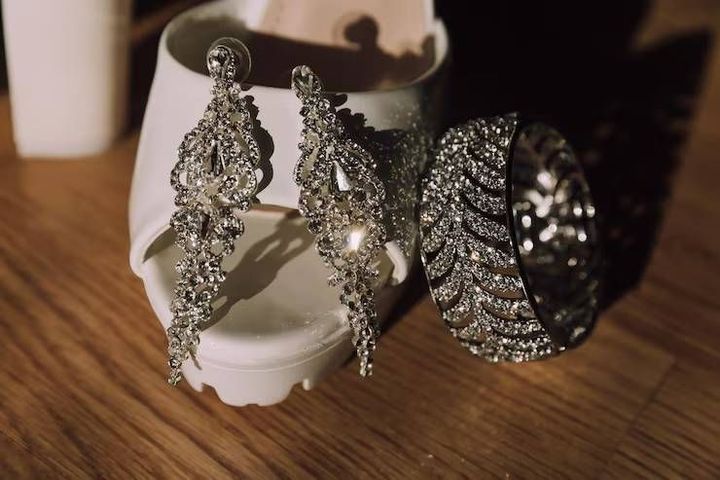
Vintage-Inspired Bridal Collections Overview With Classic Designs and Bridal Fashion Tips
Vintage-inspired bridal collections draw on design elements from earlier periods of fashion while adapting them to contemporary wedding clothing and accessories. The term can describe dresses, veils, jewelry, shoes, handbags, hair accessories, and other pieces influenced by historical silhouettes, fabrics, ornamentation, and construction techniques.
Vintage-inspired does not necessarily mean that an item is genuinely old. A newly made bridal dress can use design details associated with the 1920s, 1930s, 1950s, or another period while incorporating modern fabrics, construction methods, sizing systems, and finishing techniques.
Historical bridal fashion has changed considerably over time. Earlier wedding clothing was influenced by social customs, available textiles, regional traditions, and prevailing fashion. Elements such as lace, long sleeves, fitted waists, flowing skirts, embroidery, beading, satin, and structured bodices have appeared in different forms across various periods.
Modern vintage-inspired bridal collections bring selected historical features into contemporary designs. A dress might combine an older silhouette with a modern neckline, while another design may use antique-inspired embroidery with a contemporary skirt structure.
Common Vintage Design Influences
Different historical periods provide different visual references. Art Deco-inspired bridal clothing may feature geometric patterns, symmetrical decoration, and beadwork. Designs influenced by the 1950s may emphasize defined waists and fuller skirts.
Other common influences include:
Edwardian-inspired lace and high necklines
1920s-inspired beadwork and geometric decoration
1930s-inspired flowing silhouettes
1940s-inspired structured tailoring
1950s-inspired fitted waists and fuller skirts
1960s-inspired simpler silhouettes
Heritage-inspired embroidery and textile patterns
These references can be combined rather than reproduced exactly. Modern designers often adapt historical details to contemporary proportions and construction methods.
Bridal Collection Components
A vintage-inspired bridal collection may include more than a wedding dress. Accessories can play an important role in establishing a particular period-inspired appearance.
Common components include:
Wedding dresses
Veils
Headpieces
Gloves
Bridal jewelry
Belts and sashes
Shoes
Hair accessories
Clutches
Cover-ups
Reception outfits
The relationship between these pieces can determine whether the overall appearance feels strongly historical or simply includes a few classic details.
Importance
Vintage-inspired bridal collections matter because wedding fashion often combines personal expression with historical and cultural references. Couples may choose clothing that reflects family traditions, architectural influences, historical periods, or a preference for particular fabrics and silhouettes.
Understanding vintage-inspired fashion can also help readers distinguish between genuine vintage garments, antique pieces, vintage-inspired new designs, and modern clothing containing selected historical details.
Classic Bridal Design Features
Several features appear repeatedly in vintage-inspired bridal fashion. Lace is frequently associated with romantic and historical styling, while satin can create a smooth and structured appearance.
Other details include:
Beaded bodices
Embroidered motifs
High necklines
Long sleeves
Structured waists
Full skirts
Bias-cut silhouettes
Scalloped edges
Covered buttons
Decorative appliqué
Not every feature belongs exclusively to one historical period. Fashion elements have often been reused and adapted over many decades.
Fabrics and Construction
Fabric selection affects how a vintage-inspired bridal dress looks and moves. Lace can range from delicate and transparent to dense and heavily patterned. Satin generally has a smooth surface and can provide structure depending on its weight and construction.
Chiffon, silk, tulle, organza, crepe, velvet, and embroidered fabrics may also appear in period-inspired designs. The final appearance depends on the fabric's weight, drape, texture, and combination with other materials.
Construction methods can also create a historical impression. Covered buttons, hand-style embroidery, fitted bodices, gathered skirts, and decorative seams can contribute to a vintage appearance even when modern manufacturing techniques are used.
Bridal Fashion Tips
When planning a vintage-inspired bridal look, it can be useful to begin with the historical influence rather than selecting every accessory independently. Choosing one main period reference can create a more coherent visual direction.
Other considerations include:
Match the silhouette with the desired period influence
Consider how fabric texture interacts with the dress shape
Coordinate jewelry with neckline and sleeve details
Choose veil proportions that complement the dress
Consider footwear as part of the overall period reference
Avoid combining too many unrelated historical details
Consider comfort alongside appearance
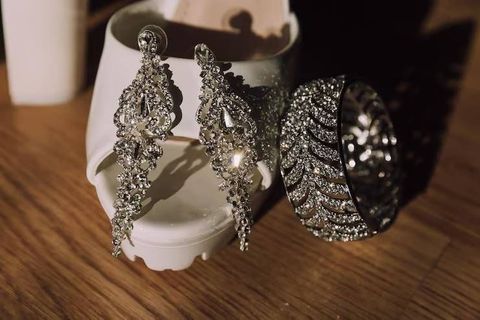
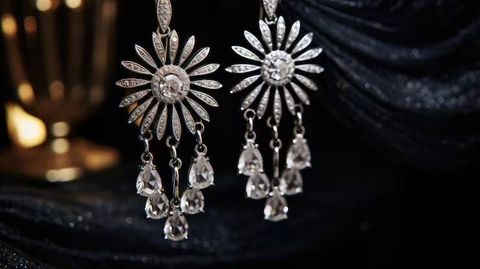
Vintage-inspired styling can be subtle. A contemporary dress with an Art Deco hairpiece or heirloom-style earrings can create a historical reference without reproducing an entire period costume.
Recent Updates
From 2024 through 2026, bridal fashion has continued to include historical references alongside contemporary silhouettes, personalized details, changing ceremony formats, and flexible wardrobe approaches. Vintage-inspired design remains adaptable because individual elements can be combined with modern bridal clothing.
Modern Vintage Styling
Current bridal styling often uses selected historical details rather than recreating an entire period. A simple contemporary gown may incorporate lace sleeves, pearl accessories, vintage-style buttons, or an old-fashioned veil shape.
This approach allows the historical reference to remain visible while maintaining a current silhouette. It also makes it easier to coordinate traditional details with modern wedding venues and photography styles.
Heirloom-Inspired Details
Family jewelry, inherited fabrics, embroidered motifs, and reconstructed garments can contribute to a vintage-inspired bridal collection. Some couples incorporate a family accessory into a contemporary outfit to create a connection with previous generations.
Heirloom pieces can vary substantially in condition and construction. Older fabrics and jewelry may require careful inspection before being worn for extended periods.
Separate Ceremony and Reception Looks
Another development in bridal fashion is the use of different outfits for different parts of the wedding day. A formal vintage-inspired gown may be followed by a simpler reception outfit influenced by the same historical period.
Accessories can also be changed rather than replacing the entire outfit. Removing a veil, changing shoes, or adding a jacket can alter the overall appearance.
Digital Design and Customization
Digital design tools allow bridal designers to visualize silhouettes, fabric combinations, embroidery, and accessories before production. Three-dimensional modeling can also help with pattern development and garment proportions.
Digital references make it easier to compare different historical influences. Designers can study archival images and translate selected details into new patterns while adapting them to modern construction methods.
Laws or Policies
Bridal fashion is influenced by textile labeling requirements, consumer protection rules, intellectual property laws, advertising standards, import requirements, and regulations governing certain materials. Specific requirements depend on the jurisdiction.
Textile and Material Labeling
Clothing labels may need to identify fiber content and other information according to local regulations. Terms describing fabrics, fibers, or material composition must generally correspond with the actual garment.
This is particularly relevant to vintage-inspired clothing because modern garments can use terms associated with historical materials or techniques without actually being made from period-original textiles.
Vintage and Historical Descriptions
A newly produced dress inspired by an older design should be distinguishable from an authentic historical garment when descriptions make claims about age or origin. Genuine vintage clothing refers to an older garment, while vintage-inspired generally describes a new item using historical design references.
Accurate descriptions help readers understand whether they are considering an original historical piece, a reproduction, or a contemporary design influenced by a particular period.
Advertising and Fashion Content
Bridal fashion content published by influencers, designers, or media platforms may be subject to advertising disclosure requirements when commercial relationships exist. The exact disclosure rules depend on the country and platform.
Historical references should also be presented accurately. Claims about a design's period, material, or origin should be supported by appropriate documentation when presented as factual information.
Tools and Resources
Several tools can help with vintage-inspired bridal planning. Digital mood boards can organize historical references, fabric samples, jewelry ideas, hairstyles, and accessory combinations.
Bridal measurement charts can help explain garment sizing, while tailoring worksheets can record measurements needed for alterations. Fabric references can also help identify differences between lace, satin, silk, tulle, chiffon, organza, and other materials.
Useful resources include:
Bridal sizing charts
Fabric identification guides
Historical fashion archives
Digital mood-board platforms
Garment measurement templates
Alteration planning worksheets
Color palette tools
Jewelry styling references
Vintage fashion databases
Digital garment design software
Wedding timeline planners
A simple comparison of historical influences can be represented as follows:
| Historical Influence | Common Design Features | Contemporary Adaptation |
|---|---|---|
| Edwardian | High necklines, lace, fitted details | Lace overlays and structured collars |
| 1920s | Beading, geometric patterns, relaxed shapes | Beaded gowns and Art Deco accessories |
| 1930s | Flowing lines, bias-inspired shapes | Fluid gowns and soft draping |
| 1940s | Structured shoulders, defined tailoring | Tailored bridal jackets and sleeves |
| 1950s | Defined waists, fuller skirts | Full bridal skirts and fitted bodices |
| 1960s | Simpler lines, shorter silhouettes | Minimal gowns and modern short dresses |
Accessories and Coordination
Accessories can reinforce a historical theme without dominating the outfit. Pearls, vintage-inspired earrings, hair combs, gloves, veils, and structured handbags can each contribute a particular visual reference.
The neckline of the dress should also be considered. A high neckline may pair differently with jewelry than a strapless or square-neck design. Similarly, a heavily decorated bodice may require simpler accessories to maintain visual balance.
Alterations and Fit
Older-inspired silhouettes can have different proportions from contemporary garments. A fitted waist, long sleeve, structured bodice, or full skirt may require careful pattern adjustment to accommodate modern sizing and movement.
Alterations can affect the final appearance of lace placement, seams, hems, buttons, and decorative details. Fabric characteristics should be considered before making significant changes because some materials respond differently to stitching, pressing, and handling.
FAQs
What are vintage-inspired bridal collections?
Vintage-inspired bridal collections are modern wedding clothing and accessories that incorporate design features associated with earlier historical periods. They may use contemporary materials and construction while referencing older silhouettes, fabrics, ornamentation, or styling.
What are common vintage-inspired bridal dress styles?
Common styles include lace dresses, Art Deco-inspired gowns, flowing 1930s-style silhouettes, structured 1940s-inspired designs, and fuller 1950s-style skirts. Modern dresses may combine several historical references.
How can vintage bridal fashion be styled with modern accessories?
A vintage-inspired dress can be paired with contemporary jewelry, simplified shoes, modern hairstyles, or a minimal veil. Alternatively, period-inspired accessories can strengthen the historical reference while keeping the main dress relatively simple.
What fabrics are commonly used in vintage-inspired bridal fashion?
Lace, satin, silk, tulle, chiffon, organza, crepe, and embroidered fabrics are frequently used. Their appearance depends on weight, texture, transparency, drape, and construction.
What is the difference between vintage and vintage-inspired bridal clothing?
Vintage bridal clothing is an older garment originating from a previous period, while vintage-inspired clothing is newly produced using historical design references. A reproduction can closely imitate an earlier garment while still being a modern creation.
Conclusion
Vintage-inspired bridal collections combine historical fashion references with contemporary garment construction, materials, and styling. Lace, embroidery, beading, structured waists, flowing silhouettes, and period-inspired accessories can create connections to different eras without reproducing historical clothing exactly. Recent bridal fashion has also incorporated heirloom details, separate ceremony and reception looks, and digital design tools. Accurate descriptions of materials, garment age, historical references, and textile composition remain important when evaluating vintage-inspired bridal clothing.