What You Should Know About Industrial Drying Solutions for Modern Production
Efficient moisture removal is an essential part of many manufacturing and processing operations. From food production and pharmaceuticals to chemicals, minerals, textiles, and advanced materials, Industrial Drying Solutions help improve product quality, extend shelf life, enhance production efficiency, and support consistent manufacturing processes.
Selecting the appropriate drying technology depends on factors such as material properties, moisture content, production capacity, and energy efficiency requirements.
Modern industrial drying systems increasingly incorporate automation, smart sensors, artificial intelligence (AI), and energy-saving technologies to optimize performance while reducing operational costs and environmental impact. Understanding the different types of industrial drying solutions can help manufacturers make informed decisions when designing or upgrading production facilities.
Note: Drying equipment specifications, production capacity, energy consumption, operating temperatures, and safety requirements vary by manufacturer, material type, and industrial application. This article is intended for general educational purposes only.
What Are Industrial Drying Solutions?
Industrial Drying Solutions are equipment and processes designed to remove moisture from raw materials, intermediate products, or finished goods using controlled heat transfer, airflow, vacuum technology, or other specialized drying methods.
These systems are commonly used for:
Food processing
Pharmaceutical manufacturing
Chemical production
Mineral processing
Wood products
Textiles
Agricultural products
Industrial powders
The choice of drying technology depends on the characteristics of the material being processed.
Why Industrial Drying Matters
Proper drying plays an important role in manufacturing efficiency and product consistency.
Potential benefits include:
Improved product quality
Consistent moisture content
Enhanced production efficiency
Reduced storage and transportation weight
Longer product shelf life where applicable
Better process control
Reduced waste
Support for quality assurance
The benefits vary according to the product and manufacturing process.
Common Types of Industrial Drying Systems
Different industries require different drying technologies.
Conveyor Dryers
Move products continuously through a controlled drying chamber using conveyor belts.
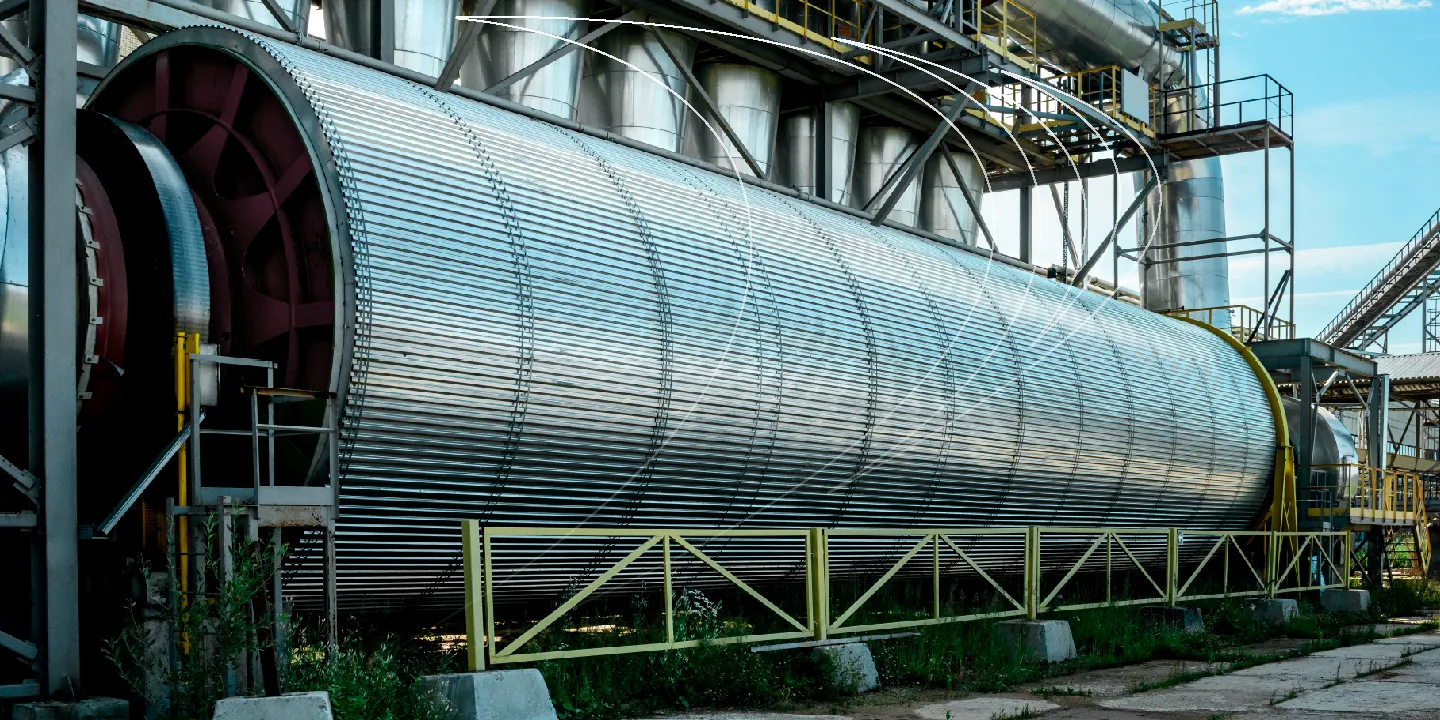
Rotary Dryers
Use rotating drums to dry bulk materials such as minerals, aggregates, and agricultural products.
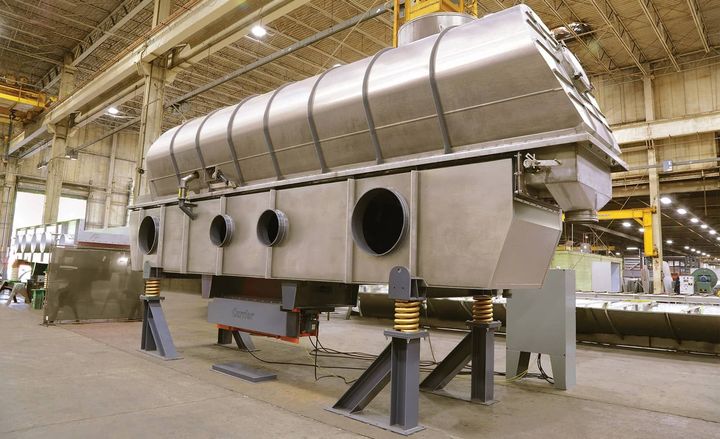
Fluidized Bed Dryers
Suspend particles in a stream of heated air to achieve uniform and efficient drying.
Spray Dryers
Convert liquid materials into dry powders by spraying them into a heated chamber.
Vacuum Dryers
Operate under reduced pressure, allowing moisture removal at lower temperatures for heat-sensitive materials.
Freeze Dryers
Remove moisture through sublimation, making them suitable for pharmaceuticals, biological materials, and certain food products.
Key Factors When Selecting a Drying System
Choosing the appropriate solution requires careful evaluation.
Important considerations include:
Material characteristics
Moisture content
Desired final moisture level
Production capacity
Energy efficiency
Product quality requirements
Automation capabilities
Maintenance requirements
Each production environment has unique operational needs.
Industries Using Industrial Drying Solutions
Industrial drying technologies support a wide variety of sectors.
Examples include:
Food and beverage manufacturing
Pharmaceutical production
Chemical processing
Mining and minerals
Agriculture
Paper manufacturing
Textile production
Recycling operations
Drying methods are selected based on product specifications and regulatory requirements.
Industrial Drying Solutions Overview
| Drying Technology | Typical Application |
|---|---|
| Conveyor Dryer | Continuous production lines |
| Rotary Dryer | Bulk material processing |
| Fluidized Bed Dryer | Uniform particle drying |
| Spray Dryer | Powder production from liquids |
| Vacuum Dryer | Heat-sensitive materials |
| Freeze Dryer | Pharmaceutical and specialty products |
Best Practices for Efficient Drying
Well-designed drying processes support productivity and product quality.
Helpful recommendations include:
Match drying technology to material characteristics.
Monitor moisture levels throughout production.
Optimize airflow and temperature settings.
Schedule routine equipment maintenance.
Train operators on equipment procedures.
Monitor energy consumption.
Follow workplace safety guidelines.
Use automation where appropriate for process consistency.
Regular performance monitoring helps maintain efficient operations.
Current Industry Trends
Drying technology continues to evolve with modern manufacturing.
Recent developments include:
Artificial intelligence-assisted process optimization
Industrial Internet of Things (IIoT) monitoring
Predictive maintenance systems
Energy recovery technologies
Smart sensor integration
Cloud-based production analytics
Automated process controls
Environmentally efficient drying technologies
These innovations help manufacturers improve productivity while reducing operational costs.
Looking Ahead
The future of Industrial Drying Solutions is expected to include greater automation, AI-powered process control, improved energy efficiency, and deeper integration with Industry 4.0 manufacturing systems. As sustainability and operational efficiency become increasingly important, industrial drying technologies will continue to evolve to meet modern production requirements.
Why Understanding Industrial Drying Solutions Matters
Understanding Industrial Drying Solutions helps manufacturers evaluate technologies that improve production efficiency, maintain product quality, and optimize energy use. Careful selection of drying equipment supports reliable manufacturing processes across a wide range of industries.
Conclusion
Industrial Drying Solutions are a vital part of modern manufacturing, enabling controlled moisture removal for products across food processing, pharmaceuticals, chemicals, mining, and many other industries. By selecting the appropriate drying technology, implementing preventive maintenance, and adopting modern automation systems, manufacturers can improve productivity, product consistency, and operational efficiency. As smart manufacturing continues to advance, industrial drying systems will remain an essential component of high-performance production environments.