Agricultural Equipment Guide: Tractors, Harvesters, Tillers, Sprayers and Essential Uses
Agricultural equipment refers to machines and implements designed for different farming activities. Tractors provide pulling and power capacity for many attachments, while tillers work the soil on smaller areas. Harvesters are designed to collect crops and perform related operations, while sprayers distribute liquids across crops in controlled amounts.
The development of farm machinery followed the gradual shift from manual tools and animal traction toward engine-powered equipment. Modern agricultural equipment can combine several operations, use electronic controls, and collect operating information. However, the appropriate machine still depends on crop type, field size, soil conditions, terrain, and the farming task.
Main agricultural equipment categories
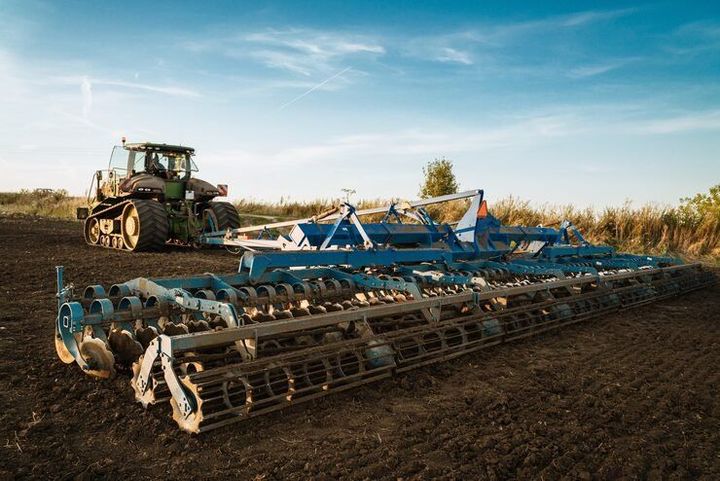
Tractors are general-purpose machines used for pulling implements and powering equipment through mechanical or hydraulic systems. Common tractor applications include soil preparation, planting, transport within agricultural areas, and operation of attachments.
Harvesters are designed around particular crops and harvesting methods. A combine harvester, for example, can perform cutting, threshing, separation, and cleaning in a single field operation. Other harvesters are designed for crops such as potatoes, sugarcane, cotton, or forage.
Tillers, including power tillers, are compact machines used mainly for soil preparation. They can work in smaller plots and may support attachments for cultivation, planting, or other field tasks. Sprayers are used to apply agricultural liquids, including crop-protection products or nutrients, with equipment ranging from handheld units to tractor-mounted and self-propelled systems.
Importance
Why agricultural mechanization matters
Agricultural equipment affects how farmers prepare land, establish crops, manage fields, and collect produce. Mechanization can reduce the amount of manual effort required for repetitive operations and can help complete time-sensitive field work within suitable planting or harvesting periods.
The subject also matters beyond individual farms. Machinery influences rural labor patterns, farm infrastructure, equipment training, fuel and energy use, and the availability of agricultural operations in areas with different farm sizes. India’s agricultural mechanization program identifies improved access to farm machinery and farm power as important objectives.
Matching machines to farm tasks
A machine should be considered in relation to the task rather than by its name alone. Important factors include:
- Field size and shape
- Crop type and row spacing
- Soil texture and moisture
- Terrain and operating conditions
- Required working width and capacity
- Available power sources
- Operator training and safety requirements
- Storage, inspection, and maintenance arrangements
For example, a compact tiller may suit smaller or closely spaced plots, while a tractor with suitable implements can handle a wider range of field operations. A sprayer needs appropriate nozzle selection, pressure, application rate, and field speed for consistent coverage.
Agricultural equipment comparison
| Equipment | Main purpose | Common applications |
|---|---|---|
| Tractor | Pulling and powering implements | Tillage, planting, transport |
| Combine harvester | Crop harvesting and separation | Cereals and selected grain crops |
| Power tiller | Soil preparation | Small and medium plots |
| Field sprayer | Liquid application | Crop protection and nutrient application |
| Seed drill | Seed placement | Row crops and cereals |
| Cultivator | Soil and weed management | Inter-row cultivation |
| Thresher | Grain separation | Harvest processing |
Recent Updates
Digital and precision equipment
From 2024 through 2026, agricultural mechanization has increasingly incorporated digital controls, sensors, positioning systems, electronic monitoring, and data-based field management. These technologies can help operators observe machine performance, field position, application rates, or operating conditions.
Another development is greater attention to equipment designed for smaller and specialized farms. Compact tractors, power tillers, small harvesters, precision seeders, and targeted spraying equipment can address situations where larger machines may be difficult to operate because of field size, terrain, or crop layout.
Testing and digital platforms
India’s agricultural mechanization framework continues to use designated Farm Machinery Training and Testing Institutes, agricultural universities, and other authorized institutions for machinery performance testing. The government’s agricultural mechanization platform also provides information related to performance testing, direct-benefit processes, and the FARMS mobile platform.
The current digital system also shows ongoing implementation of the Sub-Mission on Agricultural Mechanization. The 2026–27 portal information includes state-level application and selection processes, demonstrating that mechanization programs continue to be administered through online systems.
More precise spraying systems
Spraying equipment is also developing through improved nozzles, pressure controls, electronic rate adjustment, and positioning technologies. These systems are designed to improve application consistency and reduce unnecessary overlap. Their actual performance depends on calibration, weather, crop conditions, operator practices, and the specific machine.
Laws or Policies
Agricultural mechanization programs in India
In India, agricultural machinery is supported through government mechanization programs, including the Sub-Mission on Agricultural Mechanization. The SMAM framework includes assistance related to agricultural machinery, Custom Hiring Centres, Farm Machinery Banks, training, demonstrations, and performance testing.
Eligibility, machinery categories, application procedures, and assistance levels can vary by scheme year, state, beneficiary category, and annual targets. The current national mechanization portal states that state-level implementation and annual action plans are part of the process, so current state information is important when reviewing program requirements.
Vehicle and machinery rules
Some agricultural machines, including tractors and power tillers, can also fall under motor-vehicle registration rules when applicable. The Central Motor Vehicles Rules contain provisions covering registration records for agricultural tractors and power tillers. Requirements can depend on the machine category and its intended use, so applicable transport rules should be checked with the relevant authority.
Agricultural operations may also be affected by state-level rules concerning land use, water, environmental protection, road movement, crop-protection products, and workplace safety. These requirements are separate from general machinery selection and can vary by location.
Tools and Resources
Digital resources for farm machinery
Several resources can help readers understand agricultural equipment and mechanization programs in India. The government’s Digital Platform for Farm Mechanization and Technology provides information about machinery testing, direct-benefit processes, and the FARMS mobile application.
Farmers and researchers can also use machinery manuals, crop calendars, field-capacity calculators, tractor-implement matching charts, spray calibration worksheets, and soil-management references. These tools can help translate general equipment specifications into practical field information.
Basic equipment calculations
Simple calculations are useful when comparing machine capacity. Field capacity can be estimated from working width and travel speed, while fuel or energy use can be considered alongside operating hours and field conditions. For sprayers, application rate depends on factors such as tank output, nozzle flow, pressure, and travel speed.
Manufacturer manuals, agricultural universities, extension publications, and government testing information can provide equipment specifications and operating guidance. Performance figures should be interpreted in the context of the test conditions because actual field results can vary.
FAQs
What is agricultural equipment used for?
Agricultural equipment is used for activities such as land preparation, planting, crop cultivation, spraying, harvesting, threshing, transport, and post-harvest handling. Different machines are designed for different operations and crops.
How do tractors and tillers differ?
Tractors are generally used as versatile power units for pulling and operating multiple implements. Tillers are smaller machines commonly used for soil preparation and cultivation in smaller or more closely spaced fields.
What does a combine harvester do?
A combine harvester combines several harvesting functions, commonly including cutting, threshing, separating, and cleaning grain. The exact operations depend on the machine design and crop.
How are agricultural sprayers used?
Agricultural sprayers apply liquids to crops or soil through nozzles and controlled flow systems. Proper calibration, nozzle selection, pressure, travel speed, and weather conditions influence application uniformity.
What agricultural equipment programs exist in India?
India’s Sub-Mission on Agricultural Mechanization supports several mechanization activities, including machinery access, training, demonstrations, testing, and Custom Hiring Centres. Current eligibility and application arrangements vary by state and financial year.
Conclusion
Agricultural equipment covers a wide range of machines, from tractors and tillers to harvesters and sprayers. Each machine is designed around particular field operations, crops, working conditions, and power requirements. Recent developments have brought more digital controls, testing systems, and precision technologies into farm machinery, while Indian agricultural policies continue to support mechanization through structured programs. Understanding machine functions, operating conditions, safety requirements, and applicable rules provides a clearer foundation for understanding agricultural equipment.