Singapore Hotel Booking Explained: A Guide to Rates and Reservations
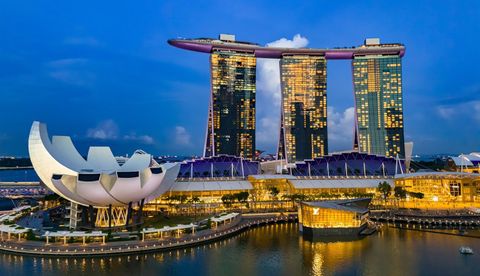
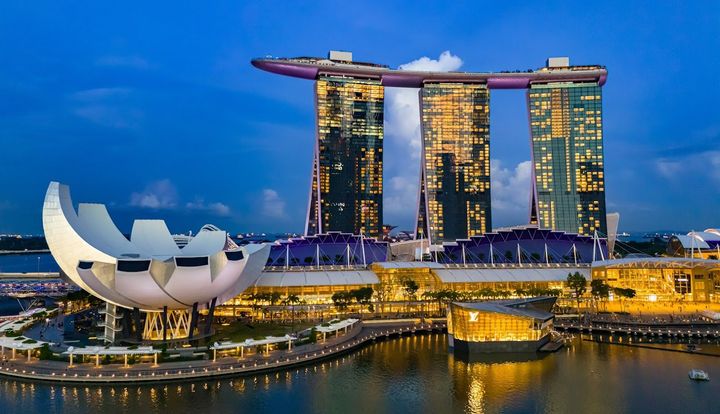
Singapore is a major travel destination in Southeast Asia, known for its modern skyline, public transportation, cultural neighborhoods, shopping districts, and international business events. Visitors arrive for holidays, conferences, family trips, education, and short stopovers. These different travel needs create demand for a wide range of accommodation.
Singapore hotel booking refers to the process of selecting accommodation, checking room availability, comparing rates, confirming reservation details, and preparing for arrival. Travelers can choose from luxury hotels, business hotels, family-oriented properties, budget accommodation, and licensed hostels.
A hotel reservation normally includes the guest's name, arrival and departure dates, room category, number of occupants, payment arrangements, and cancellation conditions. Some reservations also include breakfast, airport transfers, or other facilities, depending on the selected package.
Understanding these details helps travelers make informed decisions rather than choosing accommodation based only on the displayed nightly rate.
How Hotel Room Rates Work
Hotel room rates are not fixed throughout the year. They can change according to demand, room availability, booking dates, room categories, and major events.
Common factors that influence Singapore hotel rates include:
Travel season: School holidays and popular vacation periods can increase demand.
Business events: Conferences, exhibitions, and international meetings may affect availability.
Location: Properties near central business districts and popular attractions may have different rates from those in outer neighborhoods.
Room category: Standard rooms, suites, and family rooms have different features and pricing.
Reservation conditions: Flexible cancellation terms may differ from advance-payment or non-refundable arrangements.
Length of stay: Some properties use different nightly rates for longer reservations.
Travelers should compare the total amount payable, not simply the first price shown in a search result.
Main Types of Accommodation
Singapore offers several accommodation categories to suit different travel purposes.
| Accommodation type | Common characteristics | Suitable for |
|---|---|---|
| Luxury hotels | Extensive facilities and premium room categories | Leisure trips and special occasions |
| Business hotels | Workspaces, meeting facilities, and central locations | Corporate travelers |
| Mid-range hotels | A balance of location, comfort, and amenities | Couples and general visitors |
| Budget hotels | Simpler rooms and essential facilities | Short stays and budget-conscious travelers |
| Family accommodation | Larger rooms or connected-room options | Families and groups |
| Licensed hostels | Shared or private rooms, depending on the property | Solo travelers and backpackers |
Facilities vary by property, so travelers should verify the actual room description before confirming a reservation.
Why Singapore Hotel Booking Matters Today
Accommodation planning affects travel budgets, convenience, safety, and the overall visitor experience. Singapore has a compact urban layout, but journey times and daily travel expenses can still vary depending on where a hotel is located.
A property close to a Mass Rapid Transit (MRT) station may make it easier to reach attractions, shopping areas, and business districts. However, travelers should also consider walking distances, luggage requirements, accessibility, and late-night transportation.
Choosing the Right Location
Different neighborhoods offer different advantages.
Marina Bay and the Downtown Core: Convenient for business districts, waterfront attractions, and major landmarks.
Orchard Road: Known for shopping, dining, and access to central areas.
Bugis and Kampong Glam: Offer access to cultural attractions, restaurants, and shopping streets.
Chinatown: Combines heritage attractions with transport connections and a variety of dining options.
Little India: Provides access to cultural sites, retail streets, and public transportation.
Areas outside the central districts: May provide different room rates, but travelers should consider the additional journey time.
The most suitable location depends on the purpose of the visit. A business traveler may prioritize meeting venues, while a family may prefer convenient transport and nearby food options.
Understanding the Total Reservation Amount
The displayed nightly rate may not represent the complete amount payable. Taxes, applicable fees, meal arrangements, and other conditions can affect the final booking total.
Before confirming, check:
The total amount for every night.
Applicable taxes and additional charges.
Whether breakfast is included.
Whether payment is required immediately or at the property.
Whether a deposit or card authorization is required.
The cancellation deadline and any applicable penalty.
Check-in and check-out times.
The property's identification and age requirements.
These checks help travelers understand their reservation and reduce the likelihood of unexpected expenses or misunderstandings.
Recent Updates and Travel Trends
Singapore's accommodation landscape is influenced by international travel demand, digital booking systems, sustainability initiatives, and changing visitor preferences. Because hotel inventory and regulations can change, travelers should verify current information when planning a trip.
Digital Reservations and Mobile Check-In
Digital reservation systems allow travelers to review room details, manage booking records, receive confirmation messages, and sometimes complete parts of the check-in process before arrival.
Depending on the property, guests may be able to use electronic registration, mobile room keys, digital payment methods, or automated reception systems. These features are not available everywhere, and identity verification may still require an in-person step.
Travelers should keep their confirmation number and the property's contact information accessible in case a digital reservation needs clarification.
Demand Around Major Events
Singapore hosts international exhibitions, conferences, entertainment events, and sporting activities. Such occasions can increase demand for rooms in particular neighborhoods.
For example, event dates can affect room availability around convention venues and central business districts. Travelers with fixed schedules should compare accommodation options early and check the cancellation rules before committing.
A higher displayed rate does not necessarily indicate a better room or a higher level of service. Room features, location, and reservation conditions should be evaluated separately.
Sustainability and Responsible Travel
Environmental awareness is increasingly relevant to hotels and visitors. Some properties introduce energy-efficient lighting, water-saving systems, waste reduction, and programs to reduce single-use items.
Singapore's broader sustainability direction includes the Singapore Green Plan 2030, which sets national environmental goals. Individual hotel practices and participation in environmental programs vary, so travelers should examine specific property information rather than assuming that every hotel follows the same measures.
Checking Current Information in 2026
For travel planned in 2026, verify the following close to the reservation date:
The property's current room inventory and operating arrangements.
Applicable accommodation taxes and the final amount payable.
Current immigration and entry requirements.
Check-in documentation and age policies.
Cancellation terms and payment deadlines.
Transport arrangements if a major event affects the area.
These checks are especially useful when booking several months in advance or arranging accommodation during a busy travel period.
Laws and Policies Affecting Hotel Reservations in Singapore
Singapore has regulatory requirements that affect accommodation operators, visitors, and the handling of personal information. Travelers should understand the basic rules without assuming that every property follows identical procedures.
Hotel Licensing and Accommodation Rules
Singapore regulates hotel operations under its applicable hotel legislation and licensing framework. Travelers should confirm that their chosen accommodation is a legitimate, appropriately regulated property.
Hotel operators may have obligations relating to guest registration, records, building safety, and operational standards. Specific requirements depend on the type of accommodation and the rules applicable to the operator.
Guests should use the property's stated reservation process and provide accurate information during registration.
Immigration and Identification Requirements
Foreign visitors must meet Singapore's immigration and entry requirements. A hotel reservation does not itself guarantee permission to enter the country.
Depending on nationality and circumstances, travelers may need a valid passport, an entry visa, or other documentation. Many foreign visitors must also submit the Singapore Arrival Card within the applicable period before arrival, subject to relevant exemptions and current rules.
Visitors should check their eligibility, passport validity, and immigration requirements before departure. They should also confirm which identification documents the hotel requires at check-in.
Taxes and Reservation Terms
Hotel accommodation may be subject to applicable Singapore taxes, including the Goods and Services Tax (GST). The treatment of charges depends on the transaction and current rules.
The final reservation confirmation should clearly explain the applicable amount and payment conditions. Travelers should review the cancellation policy carefully, because a non-refundable reservation may have different conditions from a flexible booking.
Personal Data and Payment Security
Singapore's Personal Data Protection Act establishes rules concerning the collection, use, and disclosure of personal data by organizations, subject to the law's provisions and exceptions.
When making a reservation, travelers should share information through legitimate booking channels and check how personal details are handled. They should avoid sending passport information or payment details through suspicious messages.
For card payments, guests should review payment confirmations and monitor their accounts for unfamiliar transactions.
Tools and Resources for Planning a Hotel Reservation
Several general-purpose tools can help travelers compare accommodation and organize their itinerary without relying on a single source of information.
Accommodation Comparison Tools
Hotel comparison platforms and reservation systems can help travelers review room categories, available dates, location, facilities, guest feedback, and cancellation conditions.
For a fair comparison, use the same dates, occupancy, room category, and meal preferences across the options being considered.
Budget and Trip Planning Tools
A simple spreadsheet can help estimate the total accommodation budget and compare alternatives.
| Planning item | Information to record |
|---|---|
| Nightly room rate | Displayed rate for each night |
| Number of nights | Total length of the stay |
| Taxes and charges | Applicable additional amounts |
| Meals | Included meals and expected dining expenses |
| Transport | Estimated daily travel expenses |
| Cancellation terms | Deadline and potential penalty |
| Final total | Combined amount for the planned stay |
A currency converter may also help international visitors understand amounts in their home currency. Exchange rates can fluctuate, so conversions should be treated as estimates.
Maps and Public Transport Planners
Digital maps and public transportation journey planners help travelers estimate routes between accommodation, airports, attractions, and meeting venues.
Before confirming a reservation, check the walking distance to the nearest MRT station, likely journey times, accessibility needs, and late-night transport options.
Reservation Records and Checklists
Keep a digital or printed copy of the booking confirmation. A useful checklist includes:
Guest names and reservation number.
Arrival and departure dates.
Property address and contact details.
Check-in time and identification requirements.
Payment status and any deposit conditions.
Cancellation deadline.
Transport directions from the airport.
These records make it easier to resolve discrepancies and prepare for arrival.
Frequently Asked Questions
How far in advance should I book a Singapore hotel?
There is no single ideal booking period for every trip. Booking earlier can provide more choices when travel dates coincide with public holidays, school breaks, or major events. Travelers with flexible dates can compare availability across several periods.
Are hotel room rates the same every night?
No. Rates may change according to demand, room inventory, weekdays, weekends, seasonal travel, and event schedules. The total amount may also depend on taxes, room conditions, and included facilities.
What should I check before confirming a hotel reservation?
Review the property location, room description, guest capacity, total payable amount, payment schedule, cancellation policy, check-in time, and identification requirements. Keep the confirmation details for reference.
Do foreign visitors need a visa to stay in Singapore?
Visa requirements depend on nationality and the purpose of travel. A visa, when required, does not automatically guarantee entry. Travelers should verify the latest immigration rules and any required arrival documentation before departure.
Can I cancel a non-refundable hotel reservation?
A non-refundable reservation generally restricts refunds after confirmation or cancellation, but the exact terms depend on the booking conditions and applicable rules. Read the policy before confirming and contact the property or booking platform if an unexpected situation arises.
Conclusion
Singapore hotel booking involves more than selecting a room and entering travel dates. Location, seasonal demand, room facilities, taxes, payment arrangements, and cancellation conditions all influence the reservation decision.