
Avoid Common Dental Problems with Smart Healthy Teeth Tips
Healthy teeth play an important role in everyday life. They help people eat comfortably, speak clearly, and maintain overall oral wellness. However, many common dental concerns such as cavities, gum irritation, tooth sensitivity, and plaque buildup can develop gradually when oral care habits are overlooked.
The good news is that many dental issues can be reduced through simple daily practices. Small habits followed consistently over time often make a significant difference. Understanding how teeth function, what causes common problems, and how to care for them properly can help individuals of all ages maintain stronger oral health.
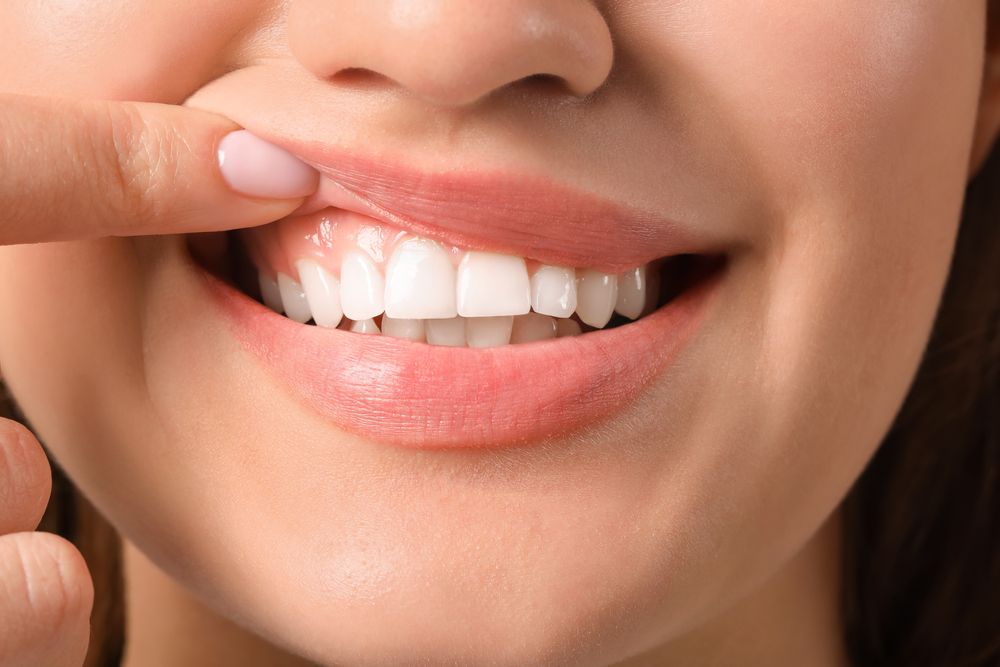
This guide explores practical information about Healthy Teeth, including oral hygiene routines, nutrition, preventive care, and everyday habits that support long-term dental wellness.
Why Healthy Teeth Matter
Teeth are responsible for much more than chewing food. They contribute to several important functions.
Supporting Nutrition
Healthy teeth make it easier to chew a wide variety of foods, allowing the body to receive important nutrients.
Clear Communication
Teeth assist in producing certain speech sounds and contribute to clear pronunciation.
Facial Structure
Teeth help support facial muscles and overall appearance.
Oral Comfort
Strong teeth and healthy gums reduce discomfort during eating and daily activities.
Long-Term Wellness
Good oral health is often associated with maintaining overall health and quality of life.
Because teeth are used every day, regular care is essential for keeping them in good condition.
Understanding Common Dental Problems
Knowing what causes dental issues can help people prevent them before they become more serious.
Tooth Decay
Tooth decay develops when bacteria in the mouth produce acids that damage tooth enamel.
Common factors include:
Frequent sugary foods
Poor brushing habits
Inadequate oral hygiene
Plaque accumulation
Gum Problems
Gums can become irritated when plaque remains along the gumline for extended periods.
Possible signs include:
Redness
Swelling
Tenderness
Occasional bleeding during brushing
Tooth Sensitivity
Some individuals experience discomfort when consuming hot, cold, sweet, or acidic foods.
Sensitivity may occur due to:
Enamel wear
Gum recession
Tooth damage
Bad Breath
Persistent bad breath often results from bacteria buildup, food particles, or inadequate oral hygiene.
Understanding these issues helps people adopt preventive habits more effectively.
The Importance of Daily Brushing
Brushing remains one of the most important habits for maintaining healthy teeth.
Remove Plaque
Regular brushing helps remove plaque before it hardens.
Protect Tooth Enamel
Proper brushing reduces acid-producing bacteria that contribute to enamel damage.
Improve Freshness
Brushing helps remove food particles and supports fresh breath.
Support Gum Health
Cleaning along the gumline helps reduce irritation and buildup.
Most dental professionals recommend brushing at least twice daily using fluoride toothpaste and a soft-bristled toothbrush.
Why Flossing Matters
While brushing cleans many tooth surfaces, it cannot always reach narrow spaces between teeth.
Flossing helps:
Remove trapped food particles
Reduce plaque buildup
Support gum health
Improve overall oral cleanliness
Consistent flossing can contribute significantly to maintaining healthy teeth and gums.
Choosing the Right Toothbrush
A toothbrush is one of the most frequently used oral care tools.
When selecting a toothbrush, consider:
Soft Bristles
Soft bristles clean effectively while reducing unnecessary wear.
Comfortable Handle
A comfortable grip helps improve brushing control.
Appropriate Head Size
A properly sized brush head can reach difficult areas more easily.
Regular Replacement
Replacing toothbrushes periodically helps maintain cleaning effectiveness.
Using a worn toothbrush may reduce cleaning efficiency over time.
Nutrition and Healthy Teeth
Diet plays a major role in oral health.
Foods That Support Dental Health
Certain foods contribute to stronger teeth and gums.
Examples include:
Dairy products
Leafy green vegetables
Nuts
Fish
Fresh fruits
Crunchy vegetables
These foods often contain important nutrients that support oral wellness.
Foods That May Contribute to Dental Problems
Some foods may increase the risk of plaque buildup and tooth decay when consumed frequently.
Examples include:
Sugary snacks
Sticky sweets
Sweetened beverages
Highly processed foods
Moderation and proper oral hygiene help reduce potential effects.
Staying Hydrated
Water contributes to oral health in several ways.
Rinsing the Mouth
Water helps remove food particles and residue.
Supporting Saliva Production
Saliva helps protect teeth naturally.
Reducing Dry Mouth
Adequate hydration supports a comfortable oral environment.
Many people underestimate the positive impact water can have on maintaining healthy teeth.
The Role of Fluoride
Fluoride is commonly used in oral care products.
Benefits may include:
Strengthening enamel
Supporting tooth protection
Reducing vulnerability to decay
Many toothpaste formulations contain fluoride because of its role in maintaining dental health.
Regular Dental Checkups
Routine dental visits help identify concerns early.
During checkups, dental professionals may:
Examine teeth and gums
Assess oral health conditions
Remove hardened plaque deposits
Identify developing concerns
Early detection often allows minor issues to be addressed before they become more significant.
Habits That Can Affect Teeth
Several everyday habits may influence oral health.
Teeth Grinding
Grinding can gradually wear down enamel and place pressure on teeth.
Nail Biting
Frequent nail biting may contribute to tooth damage.
Using Teeth as Tools
Opening packages or objects with teeth can increase the risk of cracks and fractures.
Excessive Sugary Snacking
Frequent exposure to sugar can support bacterial activity associated with tooth decay.
Being aware of these habits can help protect healthy teeth over time.
Children's Dental Health
Good oral habits should begin early.
Helpful practices include:
Supervising brushing routines
Encouraging healthy snacks
Promoting water consumption
Scheduling regular dental visits
Early education helps establish lifelong habits that support healthy teeth.
Aging and Oral Health
As people age, dental care remains equally important.
Older adults may experience:
Increased tooth sensitivity
Dry mouth
Wear on tooth surfaces
Changes in gum health
Maintaining consistent oral hygiene and regular dental assessments supports healthy aging.
Technology in Modern Dental Care
Dental technology continues evolving.
Modern tools may include:
Digital Imaging
Provides detailed views of teeth and surrounding structures.
Advanced Cleaning Equipment
Supports thorough plaque and tartar removal.
Preventive Monitoring
Helps identify concerns at earlier stages.
These advancements contribute to improved oral health management.
Building a Healthy Daily Routine
Maintaining healthy teeth does not require complicated steps.
A practical daily routine may include:
Brushing twice daily
Flossing regularly
Drinking adequate water
Choosing balanced meals
Limiting excessive sugary snacks
Replacing toothbrushes when needed
Scheduling routine dental checkups
Consistency is often more important than complexity when it comes to oral care.
Conclusion
Maintaining Healthy Teeth involves a combination of good hygiene habits, balanced nutrition, hydration, and regular dental care. While common dental problems such as tooth decay, gum irritation, and sensitivity can affect many people, simple preventive measures often make a meaningful difference.
By brushing regularly, flossing consistently, making thoughtful dietary choices, and attending routine dental checkups, individuals can support stronger oral health throughout their lives. Healthy teeth contribute not only to comfortable eating and speaking but also to overall confidence and daily well-being.