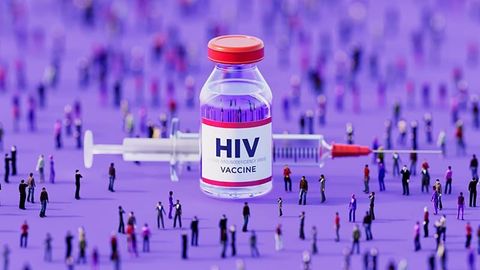
Learn the Basics of HIV Medications and Modern Treatment Approaches
Human Immunodeficiency Virus (HIV) remains an important global health concern, but significant advances in medical science have transformed how it is managed.
Decades ago, an HIV diagnosis often created uncertainty about long-term health outcomes. Today, modern treatment approaches help many people living with HIV maintain active and productive lives.
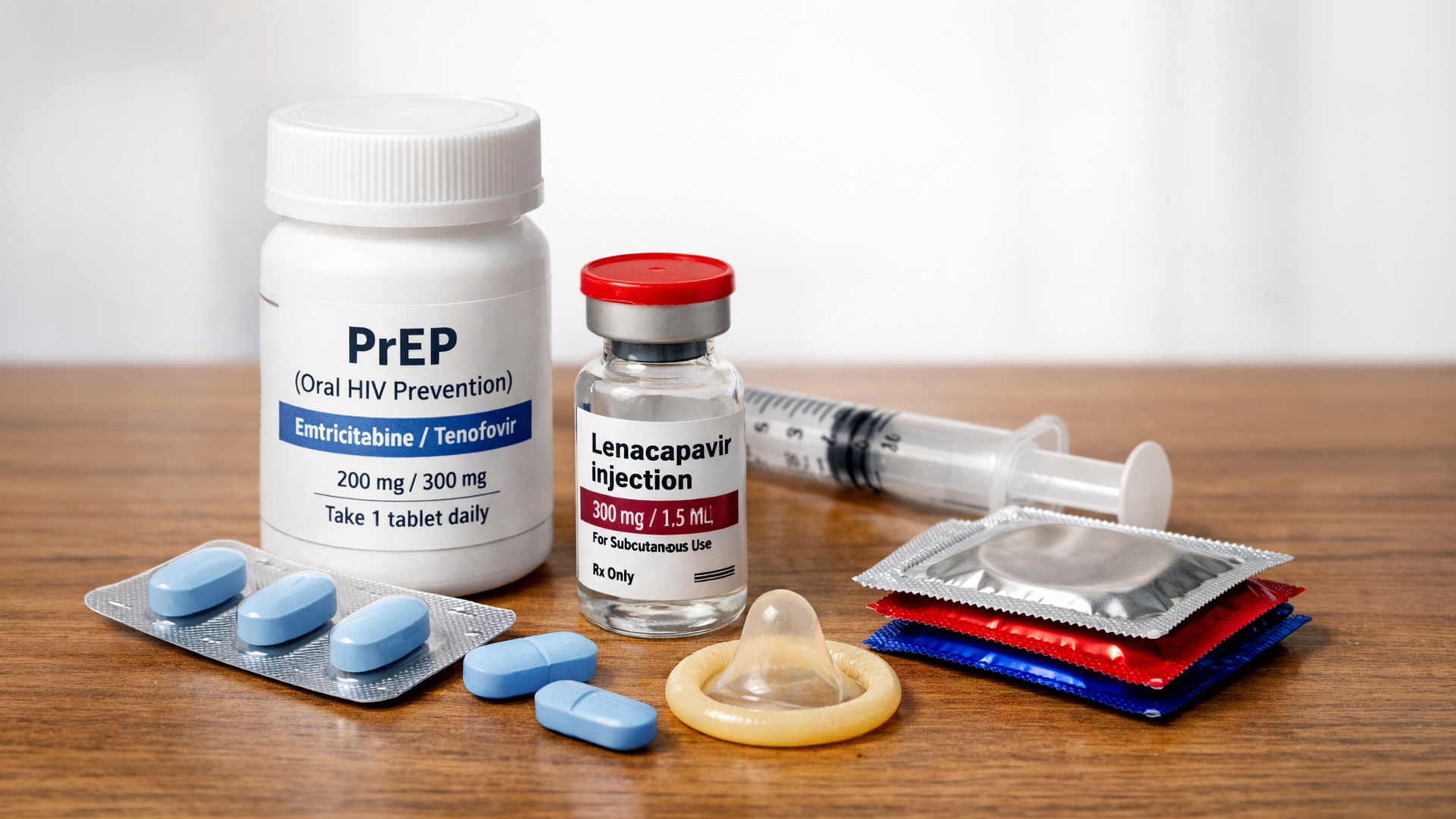
A major reason for this progress is the development of HIV Medications, which help control the virus and support the immune system. These medications do not remove HIV from the body completely, but they can reduce the amount of virus present and help prevent damage to the immune system.
Understanding how HIV Medications work, why treatment is important, and what modern treatment approaches involve can help individuals, families, and communities become better informed about HIV management.
Understanding HIV and Its Impact on the Body
HIV is a virus that attacks the body's immune system, particularly a type of white blood cell known as CD4 cells. These cells play an important role in helping the body fight infections and illnesses.
When HIV enters the body, it gradually damages these immune cells. Without treatment, the immune system may become weaker over time, making it harder for the body to defend itself against infections and certain diseases.
The progression of HIV varies from person to person. Some individuals may experience symptoms shortly after infection, while others may remain symptom-free for extended periods.
Early diagnosis and treatment are important because they help reduce the impact of the virus and support long-term health.
What Are HIV Medications?
HIV Medications are medicines designed to control the replication of HIV inside the body. These medications are commonly known as antiretroviral therapy (ART).
The goal of treatment is to reduce the amount of virus in the bloodstream, often referred to as the viral load. When viral load levels become very low, the immune system can function more effectively.
Modern HIV treatment typically involves a combination of medications working together to block the virus at different stages of its life cycle.
This combined approach helps improve treatment effectiveness and reduces the likelihood of drug resistance.
Why HIV Treatment Matters
Effective treatment provides several important health benefits.
Protecting the Immune System
By reducing viral activity, HIV Medications help protect CD4 cells and support immune function.
Lowering Viral Load
A lower viral load means less virus is circulating within the body, helping reduce disease progression.
Supporting Long-Term Health
Consistent treatment can help individuals maintain their health and participate in daily activities, education, and work.
Reducing Health Complications
Controlling HIV decreases the risk of infections and other conditions associated with weakened immunity.
Improving Quality of Life
Many people receiving treatment continue to lead active lives while managing HIV successfully.
How HIV Medications Work
HIV reproduces by entering immune cells and using them to create more copies of the virus.
Different HIV Medications target specific stages of this process.
Some medications:
Prevent HIV from entering cells
Block viral replication
Stop the virus from making copies of itself
Interfere with virus assembly
Using multiple medications together helps limit the virus's ability to reproduce and spread throughout the body.
This strategy forms the foundation of modern HIV treatment.
Major Categories of HIV Medications
Several classes of HIV Medications are used in treatment plans.
Nucleoside Reverse Transcriptase Inhibitors (NRTIs)
These medications block an enzyme HIV uses to replicate.
Without this enzyme, the virus struggles to create new copies of itself.
Non-Nucleoside Reverse Transcriptase Inhibitors (NNRTIs)
These medicines target the same enzyme as NRTIs but work through a different mechanism.
Protease Inhibitors
Protease inhibitors interfere with another enzyme required for viral development.
This helps prevent the production of mature viruses.
Integrase Inhibitors
These medications block HIV from inserting its genetic material into human cells.
Integrase inhibitors are widely used in modern treatment plans.
Entry and Fusion Inhibitors
These medications help prevent HIV from entering immune cells.
Each medication category plays a role in controlling viral activity.
The Importance of Early Treatment
Health experts generally recommend beginning treatment soon after diagnosis.
Early treatment provides several advantages.
Reduced Viral Activity
Starting treatment early helps reduce viral load more quickly.
Better Immune Protection
The immune system experiences less damage when treatment begins before significant cell loss occurs.
Improved Long-Term Outcomes
Consistent treatment from an early stage supports long-term health management.
Lower Risk of Complications
Early intervention can help reduce the likelihood of HIV-related health issues.
These benefits highlight the importance of testing and prompt medical evaluation.
Adherence and Consistency in Treatment
One of the most important aspects of HIV management is taking medications consistently.
Skipping doses may allow the virus to multiply and increase the risk of treatment resistance.
Healthcare professionals often emphasize:
Following medication schedules carefully
Attending regular medical appointments
Monitoring viral load and immune health
Discussing concerns with healthcare providers
Strong adherence supports the effectiveness of HIV Medications over time.
Monitoring HIV Treatment Progress
Regular monitoring helps healthcare providers evaluate how well treatment is working.
Several measurements are commonly used.
Viral Load Testing
This test measures the amount of HIV present in the blood.
Successful treatment often results in very low viral load levels.
CD4 Cell Count
CD4 testing helps assess immune system strength.
Higher CD4 counts generally indicate stronger immune function.
General Health Assessments
Healthcare providers may also monitor:
Liver function
Kidney health
Overall wellness
Medication tolerance
Routine monitoring supports informed treatment decisions.
Advances in Modern HIV Treatment
Research continues to improve HIV management approaches.
Simplified Medication Regimens
Many modern treatment plans involve fewer pills than earlier therapies.
This can make treatment routines easier to follow.
Long-Acting Treatments
Some newer approaches involve longer-lasting medications administered at scheduled intervals.
These options may reduce the need for daily medication in certain situations.
Improved Safety Profiles
Medical research has contributed to treatment options with improved tolerability for many patients.
Personalized Care
Healthcare providers increasingly tailor treatment plans based on individual medical needs and circumstances.
These developments continue to improve HIV management worldwide.
Common Misunderstandings About HIV Medications
Several misconceptions about HIV treatment still exist.
Myth: HIV Medications Cure HIV
Current medications control the virus but do not completely remove it from the body.
Myth: Treatment Is Only Needed When Symptoms Appear
HIV can affect the immune system even when symptoms are absent.
Treatment is important regardless of symptom status.
Myth: HIV Treatment Is the Same for Everyone
Treatment plans may vary depending on health factors, medical history, and individual needs.
Myth: HIV Cannot Be Managed Effectively
Modern treatment approaches have significantly improved long-term health outcomes for many people.
Understanding accurate information helps reduce confusion and supports informed healthcare decisions.
Living Well While Managing HIV
Medication is an important part of HIV management, but overall health habits also matter.
Many healthcare professionals encourage:
Balanced nutrition
Regular physical activity
Adequate sleep
Stress management
Routine healthcare visits
Avoiding tobacco use
These habits can support overall wellness alongside HIV treatment.
Building strong support networks and maintaining open communication with healthcare providers can also contribute to better health outcomes.
Conclusion
HIV Medications have transformed HIV management by helping control viral activity, protect the immune system, and support long-term health. Modern treatment approaches continue to evolve, providing more effective and convenient options for people living with HIV.
Understanding how HIV Medications work, the importance of early treatment, and the role of consistent adherence can help individuals make informed decisions about their healthcare. With ongoing medical advances and regular monitoring, many people living with HIV are able to maintain active and fulfilling lives while successfully managing the condition.