Teeth Whitening Tips and Insights for Long-Lasting Smile Brightness
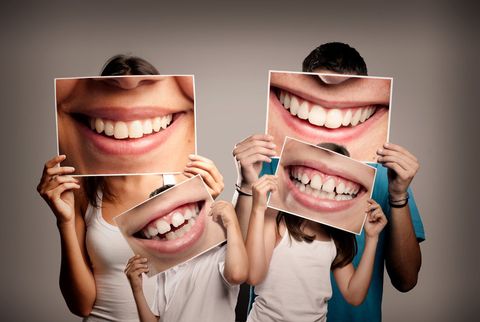
A bright smile is often associated with confidence, good oral hygiene, and overall well-being. Over time, however, teeth can gradually lose their natural brightness due to daily habits, aging, and exposure to staining substances.
As a result, many people become interested in learning more about Teeth Whitening and the factors that contribute to a healthier-looking smile.
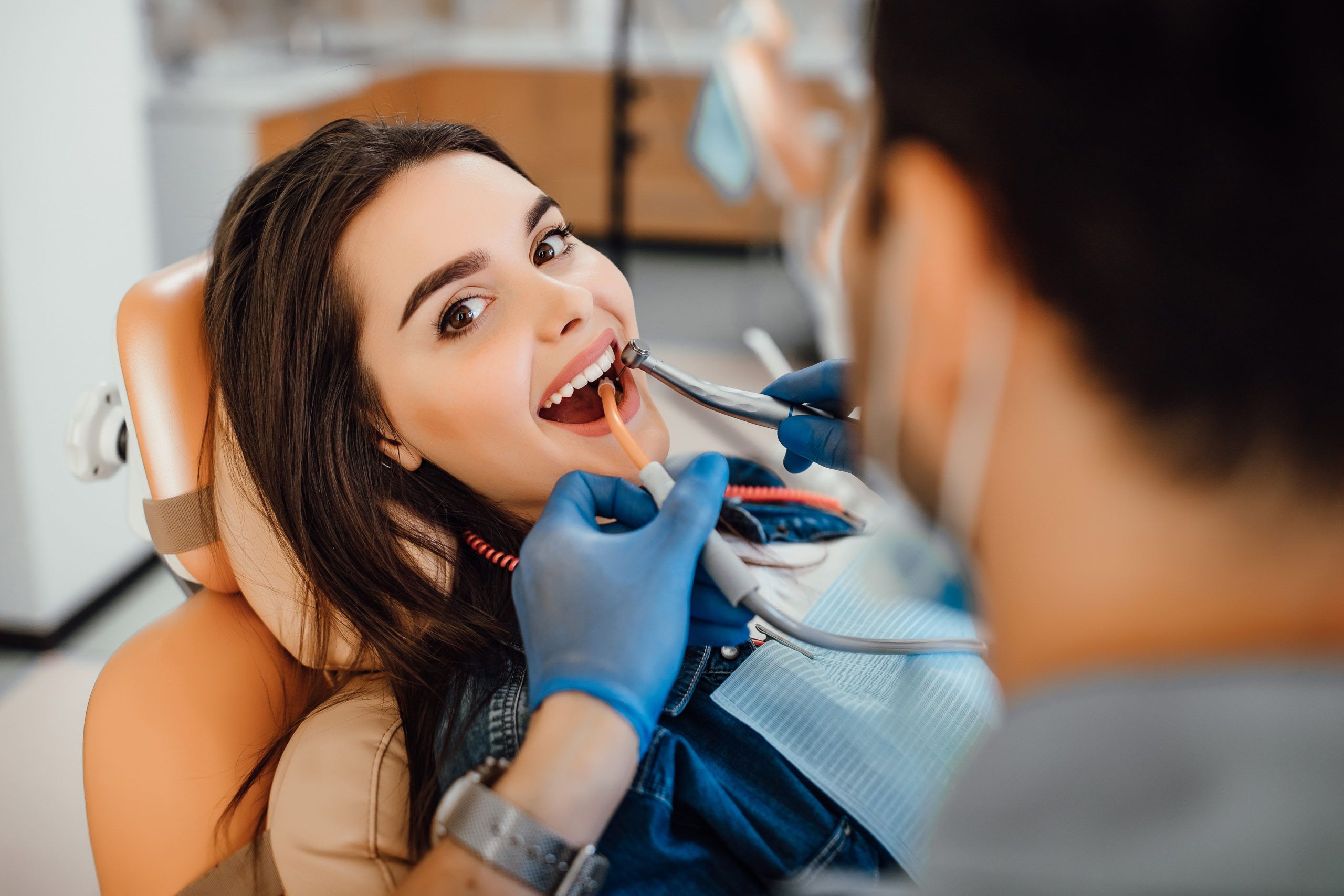
Understanding the basics of Teeth Whitening can help individuals make informed decisions about oral care while maintaining realistic expectations. A brighter smile is not only about appearance; it is also connected to healthy dental habits and long-term oral hygiene practices.
This guide explores Teeth Whitening, common causes of tooth discoloration, practical habits that support smile brightness, and important considerations for maintaining healthy teeth.
Understanding Teeth Whitening
Teeth Whitening refers to methods used to improve the appearance of teeth by reducing stains and discoloration. Teeth naturally vary in shade from person to person, and factors such as genetics, lifestyle, and age can influence their appearance.
Whitening approaches are designed to address surface stains and certain deeper discolorations. While whitening can enhance the appearance of teeth, maintaining good oral hygiene remains essential for long-term results.
Why Teeth Change Color Over Time
Many people notice gradual changes in tooth color as they get older. Several factors can contribute to this process.
Food and Beverage Stains
Certain foods and drinks can leave stains on tooth surfaces over time.
Common examples include:
Coffee
Tea
Soft drinks
Red wine
Dark-colored sauces
Berries
Frequent exposure to these items may gradually affect tooth brightness.
Tobacco Use
Smoking and other tobacco-related habits can contribute to yellow or brown staining on teeth.
These stains often become more noticeable over time.
Aging
As people age, the outer layer of enamel naturally becomes thinner. This can make the inner layer of the tooth, known as dentin, more visible.
Dentin typically has a yellowish appearance, which can affect overall tooth color.
Poor Oral Hygiene
Inconsistent brushing and flossing may allow plaque and surface stains to accumulate.
Regular oral care helps reduce this buildup and supports a cleaner appearance.
Certain Medications
Some medications may contribute to tooth discoloration under specific circumstances.
Consulting a dental professional can help determine whether medication-related staining is a factor.
Benefits of Maintaining Brighter Teeth
A brighter smile can provide several benefits beyond appearance.
Increased Confidence
Many individuals feel more comfortable smiling and speaking when they are satisfied with the appearance of their teeth.
Improved Oral Care Habits
People interested in maintaining tooth brightness often become more attentive to brushing, flossing, and regular dental visits.
Positive First Impressions
A healthy-looking smile can contribute to positive social and professional interactions.
Greater Awareness of Dental Health
Focusing on oral hygiene can encourage healthier habits that support long-term dental wellness.
Daily Habits That Support Teeth Whitening
Long-lasting smile brightness often begins with consistent daily routines.
Brush Properly
Brushing twice a day helps remove plaque and surface stains before they become more noticeable.
Using a soft-bristled toothbrush can help protect enamel while cleaning effectively.
Floss Regularly
Flossing removes food particles and plaque from areas that brushing alone may not reach.
This helps support overall oral cleanliness.
Rinse After Staining Foods
Drinking water or rinsing the mouth after consuming staining foods and beverages may help reduce residue on teeth.
Maintain Regular Dental Checkups
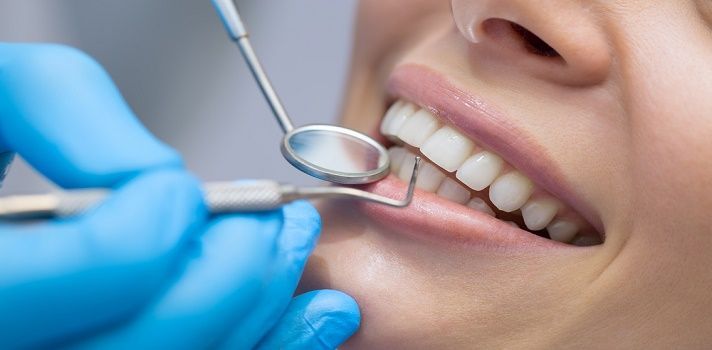
Routine dental visits help identify oral health concerns and support preventive care.
Professional evaluations can also provide guidance on maintaining healthy teeth.
Limit Excessive Sugar Intake
Reducing sugary foods and drinks may help support healthier teeth and gums.
Common Teeth Whitening Approaches
There are different methods used to improve tooth brightness.
Whitening Toothpastes
Some toothpastes contain ingredients designed to help remove surface stains.
These products are generally used as part of regular oral hygiene routines.
Whitening Strips
Whitening strips are designed to adhere to teeth for a specified period.
They are often used to address mild discoloration.
Professional Dental Whitening
Dental professionals may use specialized whitening procedures to help improve tooth appearance.
Treatment recommendations depend on individual dental conditions.
Customized Whitening Trays
Some whitening approaches involve trays designed to fit individual teeth structures.
These methods may be used under professional guidance.
Factors That Affect Whitening Results
Not all discoloration responds the same way to whitening efforts.
Type of Stain
Surface stains often respond differently than deeper discoloration.
Understanding the source of discoloration can help set realistic expectations.
Oral Health Condition
Healthy teeth and gums are important before beginning any whitening process.
Dental concerns may need attention before whitening is considered.
Consistency of Oral Hygiene
Maintaining good brushing and flossing habits supports long-term results.
Lifestyle Habits
Frequent consumption of staining beverages or tobacco use can affect whitening outcomes.
Myths About Teeth Whitening
There are many misconceptions surrounding Teeth Whitening.
Myth: Whitening Lasts Forever
Teeth can become stained again over time depending on habits and lifestyle choices.
Ongoing oral care remains important.
Myth: Brushing Harder Makes Teeth Whiter
Aggressive brushing can damage enamel and irritate gums.
Gentle, consistent brushing is more beneficial.
Myth: All Teeth Reach the Same Shade
Natural tooth color varies among individuals.
Results can differ based on genetics and dental conditions.
Myth: Whitening Replaces Oral Hygiene
Whitening is not a substitute for regular brushing, flossing, and dental care.
Healthy habits remain essential.
Foods That Support Oral Health
Certain foods may contribute to better oral hygiene and overall dental wellness.
Examples include:
Apples
Carrots
Celery
Leafy greens
Cheese
Yogurt
These foods can support saliva production and help maintain oral cleanliness.
Protecting Your Smile After Whitening
Maintaining brightness requires ongoing attention.
Practice Consistent Oral Care
Daily brushing and flossing remain important for preserving results.
Stay Hydrated
Water helps rinse away food particles and supports oral health.
Be Mindful of Staining Beverages
Using a straw for certain beverages may reduce direct contact with teeth.
Schedule Regular Dental Visits
Routine examinations help maintain healthy teeth and identify concerns early.
Future Trends in Teeth Whitening
Dental technology continues to evolve.
Emerging developments include:
Improved whitening materials
Personalized treatment approaches
Digital dental assessments
Enhanced oral health monitoring
These innovations may help individuals better understand their oral health needs while supporting smile maintenance.
Conclusion
Teeth Whitening is a topic of interest for many people seeking a brighter and healthier-looking smile. While discoloration can occur due to aging, dietary habits, tobacco use, and other factors, consistent oral hygiene remains one of the most important steps for maintaining tooth brightness.
Understanding the causes of discoloration, practicing healthy dental habits, and making informed decisions about whitening approaches can help support long-lasting smile brightness. A healthy smile is built through daily care, regular dental checkups, and attention to overall oral wellness.
By focusing on both appearance and dental health, individuals can work toward maintaining a confident smile that supports long-term well-being.