Bioreactor Basics With Design Features, Applications, and Process Technology
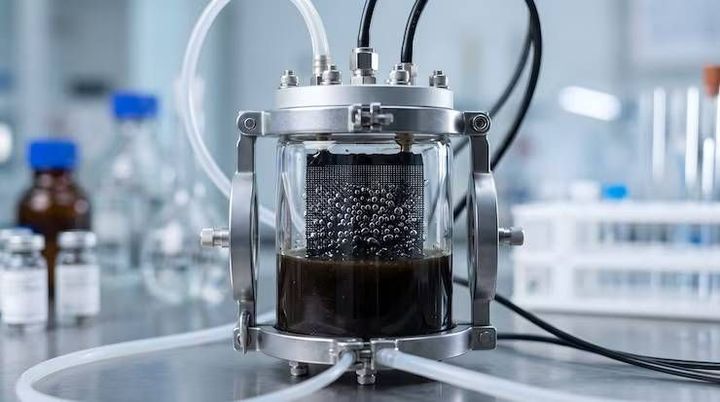
A bioreactor is a controlled vessel or system used to support biological processes involving microorganisms, plant cells, animal cells, or enzymes. Bioreactor technology creates an environment in which biological materials can grow, interact, or produce useful substances under monitored conditions.
These systems are used in biotechnology, food processing, environmental management, pharmaceutical manufacturing, and scientific research.
The concept developed from traditional fermentation methods used to prepare foods and beverages. As scientific knowledge advanced, engineers developed enclosed vessels with improved temperature control, mixing, aeration, and monitoring capabilities. Modern bioreactors combine biological knowledge with mechanical engineering, automation, and process control.
What Is a Bioreactor?
A bioreactor provides controlled conditions for biological activity. Depending on the application, it may contain liquid nutrients, microorganisms, cultured cells, gases, or solid materials that support a biological reaction.
The system helps maintain conditions required for a particular process. Temperature, acidity, oxygen availability, nutrient concentration, and mixing speed can influence biological activity and the consistency of the resulting material.
How Bioreactor Technology Works
Bioreactor operation generally follows a sequence of preparation, biological processing, monitoring, and product recovery. Before a process begins, the vessel and associated equipment are prepared according to the requirements of the biological material.
During operation, sensors measure important conditions while control systems adjust equipment settings when needed. Once the process reaches its intended endpoint, the resulting material is collected and may undergo filtration, separation, purification, or additional treatment.
Common stages include:
Preparation of the vessel, nutrients, and biological materials.
Introduction of the required cells or microorganisms.
Regulation of temperature, oxygen, mixing, and acidity.
Monitoring of biological activity and process performance.
Collection and further processing of the resulting material.
Importance
Bioreactors matter because many biological processes require stable and carefully managed environments. Natural biological activity can be affected by temperature changes, limited nutrients, contamination, and variations in oxygen availability. A controlled system helps researchers and manufacturers manage these factors more consistently.
Bioreactor applications affect several areas of everyday life. Food producers use fermentation systems, environmental facilities apply biological treatment to wastewater, and biotechnology laboratories use cell-based systems to study biological processes. Industrial manufacturers also use bioreactors when biological materials form part of a production process.
Problems Addressed by Bioreactor Systems
Traditional biological processes can be difficult to control when environmental conditions change. Bioreactors help address several practical challenges.
Process consistency: Monitoring helps operators maintain defined operating conditions across production cycles.
Contamination control: Enclosed vessels and suitable cleaning procedures help reduce unwanted biological contamination.
Resource management: Controlled feeding and aeration can help manage nutrients, water, and energy use.
Process monitoring: Sensors provide information about changes that may affect biological activity.
Scale management: Suitable designs allow processes to be studied at laboratory scale before being adapted for larger systems.
Who Uses Bioreactor Technology?
Different users select bioreactor systems according to their biological materials and process requirements. Universities and research laboratories use small systems for experiments, while industrial facilities may operate larger vessels for continuous or batch production.
Food and beverage processors use fermentation equipment, environmental engineers use biological treatment systems, and agricultural researchers use bioreactors for plant cell propagation. Equipment selection depends on the organism, required production volume, operating conditions, and level of process control.
Common Bioreactor Design Features
Bioreactor design determines how effectively a system manages its biological environment. Important features vary by application, but several components appear in many industrial systems.
Design feature | Main function | Why it matters |
|---|---|---|
Vessel | Contains the biological process | Provides a controlled environment |
Agitator or mixer | Circulates liquid and materials | Supports uniform conditions |
Sparger | Introduces gas into liquid | Helps supply oxygen where required |
Temperature control | Regulates process temperature | Supports suitable biological activity |
Sensors | Measure operating conditions | Provide information for process control |
Control unit | Adjusts selected operating parameters | Helps maintain defined conditions |
Sampling port | Allows collection of process samples | Supports testing and monitoring |
Cleaning system | Supports vessel hygiene | Helps reduce contamination risks |
Recent Updates
Bioreactor development increasingly focuses on automation, process monitoring, flexible equipment design, and efficient use of resources. Developments across biotechnology and industrial processing are making it easier to observe process conditions and evaluate changes during operation.
Automation and Digital Monitoring
Modern bioreactor systems can integrate digital sensors, automated control units, and data recording platforms. These technologies allow operators to monitor temperature, acidity, dissolved oxygen, pressure, and other relevant measurements through centralized interfaces.
Some facilities also use data analysis models to identify unusual operating patterns. These tools can help explain process variations, although their reliability depends on sensor quality, suitable data, and proper validation.
Single-Use and Modular Systems
Single-use bioreactors use disposable process-contact components, such as specialized bags, rather than relying entirely on reusable stainless-steel vessels. They can reduce certain cleaning and changeover requirements, although waste management, material compatibility, and supply considerations remain important.
Modular systems provide another development in bioreactor design. They allow equipment configurations to be adapted to different process volumes or research requirements, subject to technical and operational limitations.
Improved Process Efficiency
Current development also emphasizes mixing performance, oxygen transfer, heat management, and monitoring accuracy. These factors become especially important when a process moves from a small laboratory vessel to a larger production system.
Scale-up is not simply a matter of increasing vessel size. Changes in fluid movement, oxygen distribution, heat transfer, and mixing time can alter biological performance, so engineers generally evaluate these variables during process development.
Laws or Policies
Bioreactor operations are shaped by rules relating to workplace safety, environmental protection, equipment integrity, biological materials, and product quality. Requirements differ according to the country, industry, intended product, and type of biological process.
Safety and Quality Requirements
Facilities involved in regulated manufacturing may need documented procedures for cleaning, equipment maintenance, process monitoring, and quality control. Pharmaceutical and biotechnology production can also require validated processes, traceable records, and controls designed to prevent contamination.
Bioreactors used in food production may fall under food hygiene and manufacturing requirements. Systems used for wastewater treatment must operate within applicable environmental discharge conditions, while laboratory facilities may have additional requirements for handling biological materials.
Environmental and Workplace Considerations
Bioreactor facilities must consider wastewater, chemical cleaning agents, biological waste, energy use, and equipment hazards. Appropriate waste treatment and containment procedures depend on the materials involved and the applicable environmental framework.
Workplace procedures may address pressure vessels, rotating equipment, hot surfaces, gas supplies, and electrical systems. Operators require suitable training and documented operating instructions, with additional safeguards where the biological materials or process conditions present specific risks.
Regulatory Differences Across Industries
A bioreactor used for classroom research may face different oversight from one used to manufacture a regulated medical or food product. There is no single universal approval that automatically covers every bioreactor or its output.
Organizations generally determine the applicable requirements by considering the intended use, process materials, facility activities, and final product. Technical documentation and regulatory review may be necessary for particular applications.
Tools and Resources
Bioreactor planning and operation involve several types of technical tools. These help engineers estimate operating conditions, assess equipment performance, document experiments, and monitor biological activity.
Process Monitoring Instruments
Common instruments include temperature probes, pH sensors, dissolved oxygen probes, pressure gauges, and flow meters. Their selection depends on the process, measurement range, material compatibility, and required accuracy.
Calibration and routine maintenance are important because incorrect measurements can lead to unsuitable operating conditions. Sensor placement also matters, particularly in larger vessels where conditions may differ between locations.
Engineering and Data Analysis Tools
Computational fluid dynamics software can help engineers study fluid movement, mixing patterns, and gas distribution inside a vessel. Process simulation tools can support the evaluation of operating scenarios before physical testing.
Spreadsheets and laboratory data platforms can organize measurements, compare production batches, calculate growth rates, and record process changes. More advanced facilities may use automated data collection and statistical process monitoring to identify trends.
Bioreactor Planning Checklist
Before selecting or designing a system, engineers commonly evaluate the following factors:
Biological material and its growth requirements.
Required working volume and expected process duration.
Mixing, aeration, and temperature control needs.
Vessel construction and compatibility with process materials.
Cleaning, sterilization, and contamination prevention.
Sensor accuracy, automation, and data recording.
Maintenance requirements and waste management.
Applicable safety and regulatory requirements.
The appropriate combination depends on the application. A system designed for aerobic microorganisms, for example, may require different gas transfer and mixing arrangements from a system intended for sensitive animal cell cultures.
FAQs
What Is a Bioreactor Used For?
A bioreactor is used to control biological processes involving cells, microorganisms, or enzymes. Applications include fermentation, cell culture, wastewater treatment, food processing, and biotechnology research.
What Are the Main Types of Bioreactors?
Common types include stirred-tank, airlift, bubble-column, packed-bed, fluidized-bed, and membrane bioreactors. Each type supports different mixing, gas transfer, material handling, or biological treatment requirements.
What Are the Main Features of Bioreactor Design?
Important features include the vessel, mixing system, gas delivery equipment, temperature controls, sensors, and process control unit. The exact configuration depends on the biological material and intended application.
How Does Bioreactor Technology Support Industrial Production?
Bioreactor technology helps maintain controlled conditions for biological activity at different operating scales. Monitoring and automation support process consistency, while suitable downstream processing separates or refines the resulting material.
What Factors Affect Bioreactor Performance?
Performance can depend on temperature, pH, oxygen transfer, mixing, nutrient availability, contamination control, and biological characteristics. Vessel geometry and operating volume can also affect how these variables behave during a process.
Conclusion
Bioreactors combine biological processes with engineering systems to support controlled fermentation, cell culture, and biological treatment. Their design features, including mixing equipment, sensors, gas delivery, and temperature regulation, influence process performance. Recent developments emphasize automation, digital monitoring, flexible configurations, and more efficient process management. Safe and appropriate operation depends on the intended application, equipment characteristics, quality procedures, and relevant regulatory requirements.