Plastic Recycling Washing Lines Explained With Washing Stages, Separation Methods, and Applications
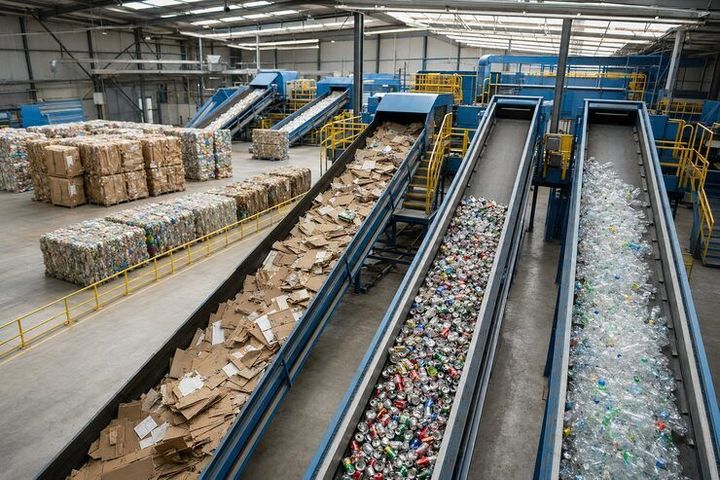
Plastic recycling washing lines are industrial systems designed to clean used plastic materials before they are processed into reusable raw materials. These systems remove dirt, food residue, labels, adhesives, oils, sand, and other unwanted substances from plastic waste.
The cleaned material can then move to additional processing stages, such as drying, extrusion, pelletizing, or manufacturing new plastic products.
Plastic waste comes from many sources, including household packaging, commercial containers, agricultural films, industrial scraps, and discarded consumer products. Before this material can be reused, it often requires several cleaning and separation operations because different plastics contain different contaminants and physical properties.
A plastic recycling washing line combines equipment such as shredders, conveyors, washing tanks, friction washers, separation units, and drying systems. The exact arrangement depends on the type of plastic being processed, the condition of the incoming material, and the quality requirements of the intended application.
How a Plastic Recycling Washing Line Works
The process generally begins with collecting and sorting plastic waste. Large objects, metals, stones, and other unsuitable materials are removed before the plastic enters the washing system.
The remaining material passes through several stages that gradually reduce its size, remove contaminants, separate unwanted plastic types, and lower moisture levels. The resulting flakes or fragments are prepared for further recycling operations.
Not every facility uses the same configuration. A washing line designed for rigid plastic containers may differ significantly from one intended for flexible packaging films, agricultural plastics, or industrial plastic scrap.
Main Components of a Washing Line
A typical plastic recycling washing line contains several interconnected components.
Feeding conveyors transport incoming plastic waste into the processing area.
Sorting equipment separates unsuitable materials and different plastic categories.
Shredders or granulators reduce plastic objects into smaller pieces.
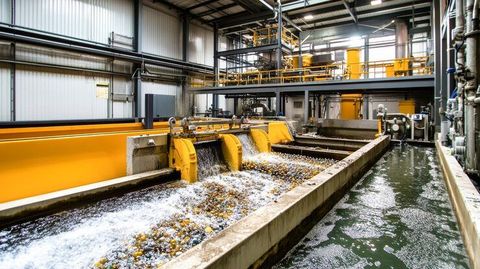
Washing tanks and friction washers remove dirt and surface contaminants.
Separation tanks distinguish certain plastics based on density differences.
Rinsing equipment removes remaining detergent and loosened impurities.
Dewatering and drying units reduce the moisture content of cleaned plastic flakes.
Together, these components prepare plastic waste for subsequent recycling processes while helping operators manage contamination and material consistency.
Importance
Plastic recycling washing lines play an important role in converting discarded plastic into material suitable for further industrial use. Without appropriate cleaning and separation, contaminants can affect the appearance, strength, processing behavior, and consistency of recycled plastic.
Food residue, soil, labels, and adhesives may interfere with melting and extrusion. Different polymer types can also behave differently during processing, making accurate separation important for applications that require consistent material properties.
Environmental and Industrial Relevance
Plastic waste management involves collection, sorting, transportation, processing, and the recovery of usable materials. Washing systems address one part of this process by preparing collected plastic for further treatment.
Their practical importance includes:
Reducing dirt and contamination in recovered plastic.
Improving the consistency of recycled flakes.
Supporting the recovery of suitable materials from discarded packaging.
Preparing plastic waste for mechanical recycling.
Helping recycling facilities manage different waste streams.
Washing does not make every plastic item recyclable. Material composition, additives, contamination levels, collection methods, and the availability of suitable downstream processing all influence whether recovered plastic can be reused.
Who Uses Plastic Recycling Washing Equipment?
Plastic recycling washing equipment is used by facilities that process post-consumer and post-industrial plastic waste. These include recycling plants, packaging recovery operations, plastic manufacturers handling production scrap, and agricultural plastic recovery facilities.
Municipal waste management systems may also contribute by supplying sorted plastic materials to recycling facilities. Equipment operators, maintenance personnel, environmental managers, and production planners are involved in ensuring that washing operations function effectively.
Common Challenges in Plastic Washing
Several practical challenges affect washing performance. Highly contaminated plastic may require additional cleaning stages, while mixed materials can make separation more difficult.
Other challenges include water consumption, wastewater treatment, energy demand, equipment wear, and the removal of stubborn adhesives. Facilities must balance cleaning effectiveness with operating requirements and the quality specifications of the recovered material.
Recent Updates
Plastic recycling washing lines are increasingly designed around improved process control, resource efficiency, and the treatment of more complex waste streams. Developments across the industry during 2024–2026 reflect growing attention to recycled material quality, traceability, and the environmental effects of recycling operations.
Automation and Process Monitoring
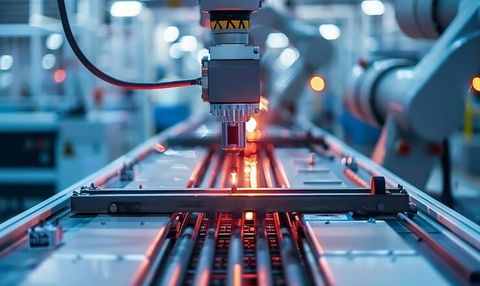
Modern recycling facilities increasingly use sensors, automated sorting systems, and programmable controls to monitor production conditions. These technologies can help operators identify irregular material flows, adjust equipment settings, and maintain more consistent processing conditions.
Optical sorting and sensor-based identification can assist with separating certain polymers and removing unwanted materials before washing. Their effectiveness depends on the materials being handled, the sensor technology, and the condition of the incoming waste.
Improved Water Management
Water management remains an important consideration in plastic recycling washing lines. Some facilities use filtration, sediment removal, and water recirculation systems to reuse process water across suitable washing stages.
Recirculation can reduce the need for fresh water, although the water must be managed carefully to prevent the accumulation of contaminants. Water treatment requirements depend on the washing chemicals, material contamination, and the facility's discharge arrangements.
Processing Flexible Plastic Waste
Flexible packaging films present particular challenges because they can become entangled in machinery, retain moisture, and carry adhesives or food residue. Equipment manufacturers have continued developing washing configurations that combine controlled feeding, friction cleaning, rinsing, and specialized drying.
These systems are intended to improve material handling and cleaning consistency. Results vary according to film composition, contamination levels, and the configuration of the complete recycling line.
Digital Monitoring and Equipment Efficiency
Digital monitoring systems can track operating conditions such as motor loads, temperatures, water flow, and production throughput. This information helps maintenance teams identify equipment problems and assess process performance.
Energy-efficient motors, improved mechanical designs, and better water circulation can also support more efficient operations. Actual improvements depend on the facility's existing equipment, operating practices, and incoming material characteristics.
Laws or Policies
Plastic recycling washing lines are influenced by environmental policies, waste management requirements, water discharge rules, and regulations concerning recycled materials. The exact requirements vary by country and region, so facilities must follow the rules applicable to their operating location.
Waste Management and Recycling Policies
Many jurisdictions have introduced policies intended to reduce plastic pollution, improve waste collection, and increase the recovery of recyclable materials. Extended producer responsibility programs, for example, may assign producers certain responsibilities for the management of packaging waste.
Such policies can influence the volume and composition of plastic materials entering recycling facilities. They may also encourage better sorting, improved recycling infrastructure, and more consistent reporting of recovered materials.
Water and Wastewater Requirements
Plastic washing generates wastewater containing suspended solids, soil, organic residue, detergent, and other contaminants. Facilities may need to treat this water before reuse or discharge, depending on local environmental requirements.
Typical treatment methods include screening, sedimentation, filtration, and other processes selected according to wastewater characteristics. Sludge and removed contaminants must also be handled through appropriate waste management procedures.
Equipment Safety and Environmental Controls
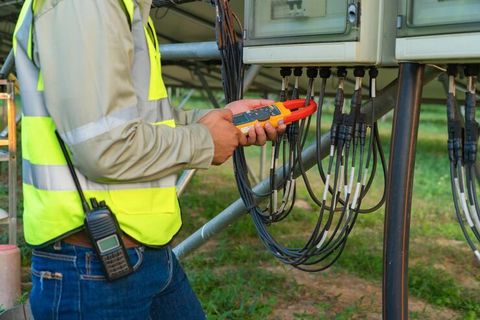
Industrial washing systems contain rotating machinery, conveyors, pumps, and electrical equipment. Applicable workplace safety requirements may address machine guarding, emergency stops, electrical protection, noise exposure, and maintenance procedures.
Facilities may also need permits or approvals related to industrial operations, wastewater discharge, air emissions, and waste handling. Compliance depends on the installation and the relevant jurisdiction rather than the washing line alone.
Tools and Resources
Several technical resources help recycling facilities evaluate washing line performance, plan equipment configurations, and monitor material quality. The appropriate resources depend on the plastic type, plant capacity, and intended output.
Process Planning Tools
Equipment layout software and process flow diagrams can help planners map the movement of plastic through sorting, shredding, washing, separation, and drying stages. These tools can identify potential bottlenecks and clarify how individual machines connect.
Production calculators can estimate throughput, water demand, and energy consumption when supplied with reliable equipment specifications and operating data. Estimates should account for downtime, contamination, material losses, and differences between nominal and actual processing capacity.
Material Identification and Quality Testing
Polymer identification references help operators distinguish common plastics, including PET, HDPE, LDPE, PP, and PVC. Resin identification codes can provide useful clues, but they do not independently establish whether an item is suitable for a particular recycling process.
Quality testing may include measurements of residual moisture, contamination, bulk density, and particle size. Additional laboratory analysis may be necessary when recycled material is intended for applications with specific physical or chemical requirements.
Typical Washing Stages and Their Functions
The table below summarizes common stages in a plastic recycling washing line. Not every installation requires every stage, and the order may vary by material type.
Processing stage | Main purpose | Typical equipment |
|---|---|---|
Initial sorting | Remove unsuitable items | Sorting conveyor, optical sorter |
Size reduction | Produce manageable fragments | Shredder, granulator |
Pre-washing | Loosen dirt and surface residue | Pre-wash tank |
Friction washing | Remove stubborn contamination | Friction washer |
Density separation | Separate materials by buoyancy | Float-sink tank |
Rinsing | Remove residual dirt and detergent | Rinse tank |
Dewatering | Remove surface water | Centrifugal dewatering unit |
Final drying | Reduce remaining moisture | Thermal dryer, air dryer |
Evaluating Washing Line Performance
Plant operators commonly monitor several indicators to understand how well a washing line performs.
Throughput measures the quantity of material processed over a given period.
Contamination level indicates the amount of unwanted material remaining after cleaning.
Moisture content measures the water remaining in the processed flakes.
Material recovery rate indicates how much usable plastic is recovered from the incoming feed.
Water and energy consumption indicate resource requirements during operation.
These measurements provide a clearer picture of performance than machine capacity alone. Results should be interpreted alongside the incoming material quality and the specifications required for the next processing stage.
FAQs
What Is a Plastic Recycling Washing Line?
A plastic recycling washing line is a series of machines that clean, separate, and prepare discarded plastic for further recycling. It commonly includes sorting, shredding, washing, rinsing, separation, and drying equipment.
What Are the Main Stages of a Plastic Washing Line?
The main stages usually include sorting, size reduction, pre-washing, friction washing, density separation, rinsing, dewatering, and drying. The exact sequence depends on the plastic material and its contamination level.
How Does a Plastic Recycling Washing Line Separate Different Plastics?
Some washing lines use float-sink separation, which relies on differences in material density. Plastics that float in water can be separated from materials that sink, although additives, mixed polymers, and material composition can affect the results.
Which Plastics Can Be Processed in a Washing Line?
Common materials include PET bottles, HDPE containers, PP packaging, LDPE films, and selected industrial plastic scraps. Each material may require a different washing configuration, and mixed or contaminated plastics can need additional sorting.
Why Is Drying Important After Plastic Washing?
Drying reduces the moisture remaining on cleaned plastic flakes. Excess moisture can interfere with subsequent processing, including extrusion and pelletizing, so the required moisture level depends on the equipment and the intended application.
Conclusion
Plastic recycling washing lines prepare discarded plastic for further processing through cleaning, separation, rinsing, and drying. Their configuration depends on the polymer type, contamination level, water management requirements, and quality specifications of the recovered material. Automation, improved water treatment, and process monitoring are important developments in modern recycling operations. Effective washing supports material recovery, but successful recycling also depends on sorting, downstream processing, and appropriate waste management.

You May Also Like