High-Voltage Electrical Testing Equipment Information With Modern Testing Methods and Technical Insights
High-voltage electrical testing equipment plays an important role in checking the safety, reliability, and operating condition of electrical systems.
It is used to examine equipment that carries or controls electricity at high voltages, including transformers, power cables, circuit breakers, switchgear, and electrical insulation. These tests help identify weaknesses that may not be visible during ordinary inspections.
High-voltage testing developed alongside electrical power generation and transmission. As electricity networks expanded, engineers needed reliable methods to determine whether electrical equipment could withstand the voltage levels encountered during normal operation and unusual conditions. Testing methods gradually evolved from basic electrical measurements to advanced diagnostic systems that use digital instruments, automated controls, and computer-based analysis.
Today, high-voltage electrical testing equipment is used in power plants, substations, manufacturing facilities, laboratories, renewable energy installations, and industrial electrical systems. The equipment may generate a controlled test voltage, measure electrical responses, detect insulation problems, or evaluate the condition of protective components.
Main Types of High-Voltage Testing Equipment
Different testing instruments are designed for particular electrical components and testing requirements. Common examples include:
AC and DC high-voltage testers, which apply controlled voltage to examine insulation performance.
Insulation resistance testers, which measure resistance between conductors and insulating materials.
Partial discharge detectors, which identify small electrical discharges that can indicate insulation defects.
High-voltage cable testing systems, which assess cable insulation and electrical integrity.
Circuit breaker analyzers, which evaluate switching time, contact movement, and related operating characteristics.
Transformer testing equipment, which measures electrical properties such as winding resistance, insulation condition, and transformation ratio.
Each instrument has a specific purpose. Selecting an appropriate testing method depends on the equipment under examination, its voltage rating, the manufacturer's instructions, and applicable safety requirements.
Importance
High-voltage electrical testing matters because electrical failures can interrupt essential activities, damage expensive equipment, and create serious safety hazards. A defect in a transformer, cable, or switchgear assembly may remain unnoticed until the equipment experiences electrical stress. Testing helps identify certain defects before they develop into more serious problems.
Electricity suppliers, industrial operators, maintenance teams, electrical equipment manufacturers, and testing laboratories all depend on accurate measurements. Reliable testing also supports the operation of hospitals, transport networks, commercial buildings, data centers, and other facilities that require a stable electricity supply.
Common Problems Addressed by Electrical Testing
High-voltage electrical testing equipment helps investigate several technical problems.
Insulation deterioration: Heat, moisture, contamination, aging, and electrical stress can weaken insulating materials.
Cable defects: Damaged insulation, faulty joints, and installation problems may affect cable performance.
Transformer abnormalities: Electrical measurements can reveal changes in winding resistance, insulation properties, or other operating characteristics.
Circuit breaker problems: Incorrect operating times or damaged contacts can affect a breaker's ability to interrupt electrical current.
Partial discharge activity: Localized electrical discharges may indicate weaknesses within insulation systems.
Testing results can help maintenance teams determine whether additional inspection, repair, monitoring, or replacement is appropriate. However, a single measurement rarely explains every possible defect, so results should be interpreted alongside equipment history and operating conditions.
Applications Across Different Industries
High-voltage electrical testing supports several important sectors.
Industry | Typical equipment tested | Main testing purpose |
|---|---|---|
Power generation | Generators and transformers | Assess insulation and electrical condition |
Transmission and distribution | Cables, switchgear, and circuit breakers | Evaluate network reliability |
Manufacturing | Motors, electrical panels, and insulation systems | Identify electrical defects |
Renewable energy | Wind turbine generators and solar power equipment | Check electrical integrity |
Transportation | Traction equipment and high-voltage cables | Assess electrical performance |
Research laboratories | Insulators and electrical components | Examine performance under controlled conditions |
The testing method varies according to the equipment design and operating environment. A procedure suitable for one component may not be appropriate for another.
Recent Updates
Modern high-voltage electrical testing increasingly combines traditional measurement techniques with digital instruments, automated procedures, and condition-monitoring technologies. These developments help engineers collect more detailed information and compare measurements over time.
A significant trend is the use of diagnostic data to understand how electrical equipment changes during operation. Instead of relying entirely on periodic inspections, some facilities combine scheduled testing with continuous monitoring. This approach can help identify developing abnormalities, although monitoring systems do not eliminate the need for appropriate physical inspections and controlled tests.
Digital Testing and Automated Measurement
Digital high-voltage testing equipment can record voltage, current, resistance, timing, and other relevant measurements. Depending on the instrument, data may be transferred to software for comparison, reporting, and technical analysis.
Automated test sequences can also reduce manual data entry and improve consistency between repeated measurements. However, the quality of the results still depends on instrument calibration, correct setup, suitable test conditions, and competent interpretation.
Partial Discharge Monitoring
Partial discharge testing is increasingly important for evaluating insulation systems in cables, transformers, switchgear, and other high-voltage components. Partial discharge refers to a localized electrical discharge that does not completely bridge the insulation between conductors.
Modern detection systems can combine electrical sensors with acoustic or other measurement techniques. The resulting data may help engineers locate suspected defects, assess discharge activity, and determine whether further investigation is needed.
Data-Based Condition Assessment
Condition-based maintenance uses information about equipment performance to guide inspection and maintenance decisions. High-voltage diagnostic systems can contribute information such as insulation resistance trends, dielectric measurements, temperature observations, and partial discharge activity.
The main developments include:
Digital records that support comparisons between earlier and current test results.
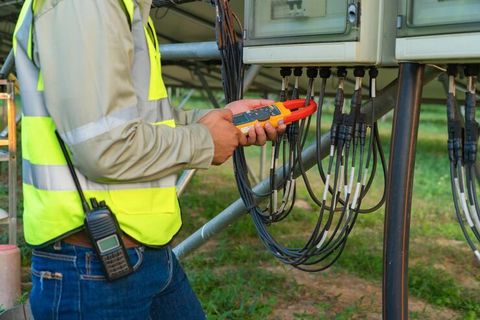
Portable instruments for field measurements and equipment inspections.
Remote monitoring systems for selected electrical assets.
Software-assisted analysis that helps identify unusual measurement patterns.
Improved data integration across maintenance and asset management systems.
These technologies can improve the availability of diagnostic information, but automated analysis should not replace engineering judgment or established safety procedures.
Laws or Policies
High-voltage electrical testing is influenced by electrical safety rules, technical standards, workplace requirements, and equipment-specific procedures. These requirements vary by country, installation type, voltage level, and the organization responsible for operating the electrical system.
In India, electrical installations and workplace practices are shaped by applicable electricity legislation, safety regulations, and technical requirements issued by relevant authorities. The Central Electricity Authority's safety regulations are particularly relevant to electrical installations and the safe operation of electrical systems. Applicable requirements should be checked for the particular installation and activity.
Technical Standards and Testing Procedures
International standards provide methods for testing electrical insulation, high-voltage equipment, and specific components. Standards published by the International Electrotechnical Commission (IEC) and the Institute of Electrical and Electronics Engineers (IEEE) are used in different technical contexts.
Relevant standards may address:
High-voltage test techniques and measurement methods.
Insulation coordination and electrical withstand testing.
Transformer testing and diagnostic measurements.
Power cable testing and evaluation.
Electrical equipment safety and performance requirements.
The applicable standard depends on the equipment category and purpose of the test. Not every standard applies to every installation, and compliance requirements may differ across jurisdictions.
Electrical Safety Requirements
High-voltage testing involves potentially lethal electrical energy. Testing procedures therefore need suitable isolation arrangements, controlled access, appropriate protective equipment, and clear operating responsibilities.
Important safety principles include verifying that equipment is isolated where required, following approved grounding and discharge procedures, establishing exclusion zones, and confirming that test equipment is suitable for the intended voltage. Capacitive components can retain dangerous electrical charge even after a test has ended.
Only appropriately trained and authorized personnel should conduct high-voltage testing. Equipment manuals, site-specific procedures, and applicable regulations should determine the required precautions.
Tools and Resources
High-voltage testing involves more than the main testing instrument. Supporting tools help technicians establish suitable test conditions, record measurements, evaluate results, and maintain traceable documentation.
Common Testing Tools
High-voltage test sets: Generate controlled electrical voltages for specified insulation tests.
Insulation resistance meters: Measure resistance between conductors and insulation.
Partial discharge measurement systems: Detect and evaluate localized discharge activity.
Transformer diagnostic instruments: Assess winding characteristics and selected insulation properties.
Cable fault location systems: Help locate certain faults in electrical cables.
Circuit breaker analyzers: Record switching times and selected mechanical or electrical characteristics.
Calibration equipment: Supports verification of measurement accuracy and instrument performance.
Instrument selection should reflect the equipment under test, the required measurement range, the testing method, and the applicable safety requirements.
Testing Documentation and Data Analysis
A structured testing report generally records equipment identification, test conditions, instrument details, measurement results, acceptance criteria, and relevant observations. Keeping consistent records allows engineers to compare results across inspection periods.
A basic testing record may include the following information:
Record field | Information documented |
|---|---|
Equipment identification | Asset number and component type |
Test method | Procedure used for the measurement |
Test conditions | Relevant environmental and operating conditions |
Instrument details | Instrument identification and calibration status |
Measurement results | Recorded values and observations |
Evaluation | Comparison with applicable criteria |
Follow-up | Additional inspection or action, where necessary |
Useful technical resources include equipment manuals, applicable IEC or IEEE standards, instrument calibration records, electrical safety procedures, and manufacturer documentation. Engineering software can assist with storing test data and reviewing trends, but the underlying measurements must remain traceable and technically valid.
FAQs
What Is High-Voltage Electrical Testing Equipment?
High-voltage electrical testing equipment consists of instruments and systems used to examine the insulation, electrical characteristics, and operating condition of high-voltage components. Examples include high-voltage test sets, insulation resistance meters, transformer testers, and partial discharge detectors.
How Does High-Voltage Insulation Testing Work?
Insulation testing applies a specified electrical test condition and measures the response of an insulating material or electrical component. Depending on the method, the instrument may measure resistance, leakage current, dielectric response, or withstand performance. The procedure must follow the applicable equipment requirements.
Which High-Voltage Testing Methods Are Commonly Used?
Common methods include AC withstand testing, DC testing where appropriate, insulation resistance measurement, dielectric dissipation factor testing, partial discharge measurement, and specialized cable or transformer diagnostics. The correct method depends on the component, its design, and the purpose of the test.
How Often Should High-Voltage Electrical Equipment Be Tested?
Testing frequency depends on equipment type, operating conditions, manufacturer guidance, applicable regulations, and the asset's maintenance history. Some equipment is tested at defined intervals, while other assets may require additional testing after installation, repair, unusual operating events, or the identification of a suspected defect.
What Safety Precautions Are Required During High-Voltage Testing?
High-voltage testing requires trained personnel, appropriate isolation, controlled access, suitable protective equipment, and approved grounding and discharge procedures. Test areas must be managed to prevent accidental contact, and equipment should be handled according to the applicable safety procedures and technical instructions.
Conclusion
High-voltage electrical testing equipment helps evaluate the safety, insulation condition, and operating characteristics of electrical systems across many industries. Modern digital instruments, partial discharge monitoring, and data-based condition assessment provide additional information for evaluating equipment health. Effective testing depends on selecting suitable methods, maintaining accurate records, and following applicable technical standards and electrical safety requirements. Together, these practices support informed maintenance decisions and reliable electrical system operation.