Box Making Machines: Complete Guide to Types, Uses and Working Basics
Box making machines are industrial systems designed to convert materials such as corrugated board, paperboard, and other sheet materials into finished box structures.
They can perform operations such as feeding, cutting, creasing, folding, gluing, printing, and forming, depending on the machine configuration.
Understanding box making machines helps manufacturers, packaging professionals, students, and technical readers understand how packaging formats are produced. This guide explains the main types, working principles, applications, recent developments, safety considerations, and useful resources.
Context – Understanding Box Making Machines
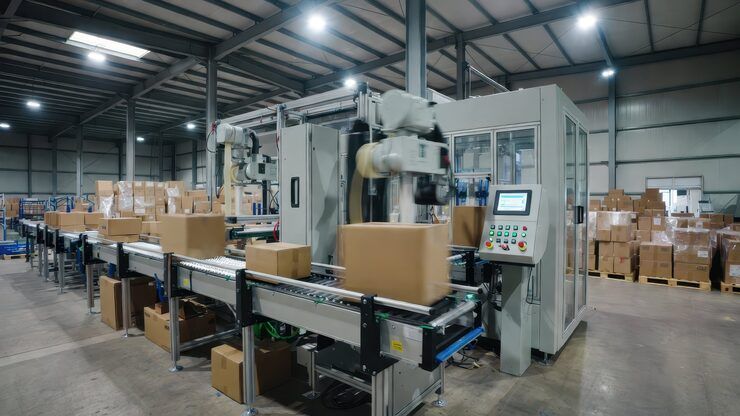
A box making machine is equipment used to transform flat packaging material into a defined box shape. The basic process starts with a sheet or board that is fed into the machine. Depending on the design, the material can then pass through printing, slotting, cutting, creasing, folding, gluing, and forming stages.
Box production can involve several individual machines or a combined automated line. Common equipment includes corrugated box machines, carton making machines, folder-gluers, die-cutting machines, flexographic printers, and stitching machines.
The choice of equipment depends on factors such as:
- Material type and thickness
- Box dimensions
- Required production volume
- Folding and joining method
- Printing requirements
- Level of automation
- Accuracy and repeatability
Some machines are designed for a specific operation, while integrated systems combine several stages into one production sequence.
| Machine Type | Main Function | Common Material |
|---|---|---|
| Corrugated Box Machine | Forms and processes corrugated board | Corrugated board |
| Die-Cutting Machine | Cuts and creases specific patterns | Paperboard, corrugated board |
| Folder-Gluer | Folds and joins box panels | Folding carton board |
| Flexographic Printer | Applies graphics or information | Paper and corrugated board |
| Slotting Machine | Creates slots and folding sections | Corrugated board |
| Box Stitching Machine | Joins selected box sections with staples | Corrugated board |
Importance – Why These Machines Matter
Box making machines support packaging operations across food, beverages, electronics, pharmaceuticals, household products, logistics, retail, and industrial manufacturing.
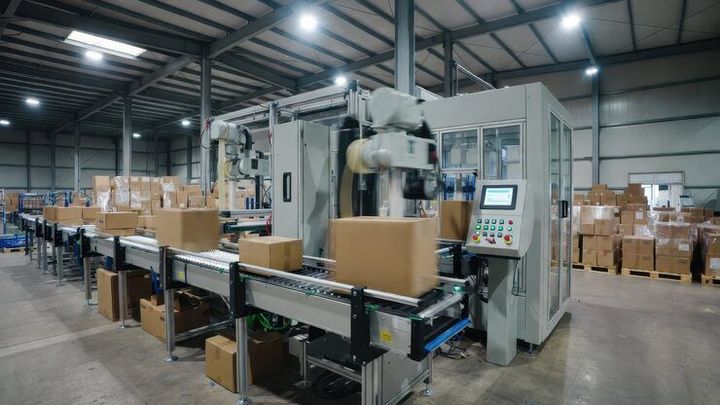
Automation can make repeated cutting, folding, and joining processes more consistent. It can also reduce manual handling during repetitive production stages and help maintain standardized box dimensions.
For packaging planners, understanding machine functions is useful when selecting an appropriate production process. Engineers can also use machine specifications to evaluate material compatibility, operating speed, control systems, and safety requirements.
The technology also affects packaging design. Modern equipment can process different box structures and dimensions, allowing manufacturers to adapt packaging formats to product requirements.
Recent Updates – Trends and Developments
Box making technology continues to develop through automation, digital controls, sensor systems, and improved material handling.
One important development is the increased use of programmable control systems. Sensors can monitor material position, machine conditions, and production sequences. Human-machine interfaces can provide operators with information about machine settings and operating status.
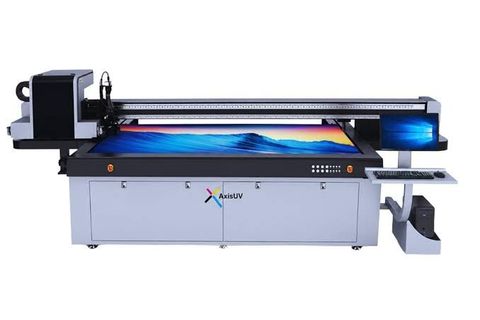
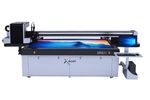
Digital printing and variable-data capabilities are also influencing packaging production. These technologies can support short production runs, customized graphics, identification codes, and changing package information without relying entirely on conventional printing workflows.
Other developments include:
- Automatic sheet feeding and alignment
- Servo-controlled movement systems
- Vision-based inspection
- Automated setup adjustments
- Production monitoring
- Energy-management features
- Data collection for machine performance
- Improved waste management
Sustainability is another important area. Packaging operations increasingly consider recyclable materials, material efficiency, lighter board structures, and designs that reduce unnecessary packaging components.
In India, the Plastic Waste Management Rules were amended in January 2025. The amendment introduced provisions allowing specified information to be provided through a barcode or QR code on plastic packaging from July 1, 2025. These rules are particularly relevant to packaging systems that handle plastic packaging and should be considered alongside applicable material-specific requirements.
Laws or Policies – Safety and Packaging Requirements
Requirements for box making equipment vary by country, machine type, workplace, and packaging material. Operators should therefore consult the regulations applicable to their location and production process.
In the United States, OSHA's general machine-guarding requirements under 29 CFR 1910.212 require appropriate guarding for hazards such as points of operation, ingoing nip points, rotating parts, and other dangerous machine movements.
OSHA also identifies machine guarding, point-of-operation protection, eye and face protection, and hazardous-energy control as important safety considerations. Its guidance explains that machines should be safeguarded so workers cannot reach dangerous moving parts during operation.
Packaging machinery may contain rollers, cutters, conveyors, folding mechanisms, belts, chains, and other moving components. OSHA has specifically addressed guarding requirements for packaging and pelletizing equipment and states that employers must ensure applicable machine-guarding requirements are met.
For operations in India, packaging organizations should review applicable environmental, occupational-safety, electrical, and machinery requirements at national and local levels. Material-specific rules are particularly important when packaging includes plastics or other regulated materials.
Safety practices commonly include:
- Fixed or interlocked guards
- Emergency stopping systems
- Appropriate operator training
- Lockout and hazardous-energy procedures
- Routine inspection
- Safe material feeding procedures
- Preventive maintenance
Regulatory requirements can change, so official government and regulatory sources should be checked before implementing a production system.
Tools and Resources – Useful Information Sources
Several resources can help readers understand box making machines and packaging processes.
Manufacturer technical manuals can provide information about machine specifications, operating sequences, maintenance procedures, electrical requirements, and compatible materials. Training materials can help operators understand machine controls and safe working procedures.
Useful resources include:
- OSHA machine-guarding guidance for workplace safety information
- Government environmental agencies for packaging regulations
- Packaging industry associations for technical terminology
- Equipment manuals for operating and maintenance instructions
- Engineering calculators for sheet dimensions and material calculations
- CAD software for box structure and die-layout development
- Production-management software for monitoring manufacturing data
OSHA's machine-guarding resources explain the difference between fixed, interlocked, adjustable, and self-adjusting guards and provide information about safeguarding different machine hazards.
When evaluating a box making process, technical documentation should be reviewed together with the applicable regulations, material specifications, and workplace safety procedures.
FAQs – Box Making Machines
What is a box making machine?
A box making machine is equipment that processes paperboard or corrugated board into box structures. Depending on its design, it may cut, crease, fold, print, glue, stitch, or form the material.
What are the main types of box making machines?
Common types include corrugated box machines, die-cutting machines, folder-gluers, flexographic printing machines, slotting machines, and stitching machines. Some production lines combine several functions.
How does a box making machine work?
The material is generally fed into the machine, aligned, and processed through one or more stages. Cutting, creasing, folding, printing, gluing, or stitching can then produce the required box structure.
What materials can these machines process?
Many systems process corrugated board, paperboard, and related packaging sheets. The suitable material depends on the machine design, board thickness, dimensions, and processing method.
What safety measures are important?
Machine guards, emergency controls, operator training, safe maintenance procedures, and hazardous-energy controls are important. Specific requirements depend on the machine and applicable workplace regulations.
Conclusion – Key Points to Remember
Box making machines use mechanical, electrical, pneumatic, and digital control technologies to convert packaging materials into functional box structures. Their configurations range from individual machines for cutting or folding to integrated automated production systems.
Understanding machine types, working stages, materials, controls, and safety requirements provides a useful foundation for studying modern packaging production. Regulatory requirements should always be checked for the specific country, workplace, machine, and packaging material involved.
As packaging technology develops, automation, sensors, digital controls, inspection systems, and material-efficiency approaches are becoming increasingly important. These developments can influence how packaging lines are designed and operated.
For anyone researching box making machines, technical manuals, regulatory resources, engineering documentation, and packaging-industry references provide useful sources for further learning.