Car Shredding Machines Details Guide: Explore Industrial Vehicle Recycling Systems
Car shredding machines are industrial systems used to reduce end-of-life vehicles into smaller material streams for further separation and processing.
These systems are an important part of modern vehicle recycling because cars contain steel, aluminum, copper, plastics, glass, rubber, wiring, batteries, and other materials that require different handling methods.
A typical vehicle recycling process combines inspection, fluid removal, dismantling, shredding, magnetic separation, non-ferrous separation, and material sorting. Understanding how car shredding machines work can help readers learn about industrial vehicle recycling systems, environmental controls, safety practices, and regulatory requirements.
Context
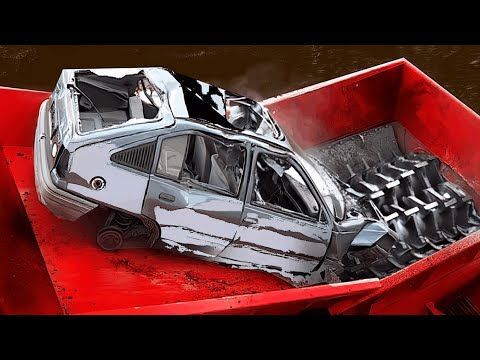
A car shredding machine is heavy industrial equipment designed to process vehicles after they have reached the end of their usable road life. The main shredding unit commonly uses rotating hammers, shafts, or other mechanical components to break vehicle bodies into smaller pieces.
Before a vehicle enters a shredder, it normally passes through preparation and dismantling stages. Fluids, batteries, tires, fuel-related components, and selected parts may need to be removed or handled separately. This preparation reduces hazards and helps improve downstream material recovery.
The basic process can be summarized as:
- Vehicle reception and inspection
- Removal of hazardous or regulated components
- Dismantling of selected parts
- Feeding prepared vehicle bodies into the shredder
- Mechanical size reduction
- Magnetic separation of ferrous metals
- Separation of non-ferrous metals
- Sorting and further material processing
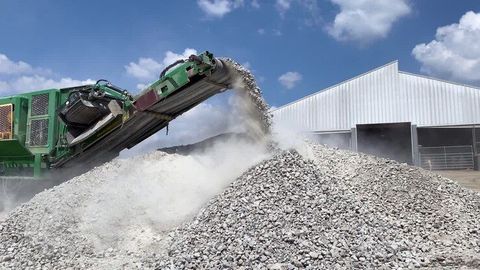
Different machines are designed for different throughput levels and material characteristics. A complete industrial system may include conveyors, shredders, magnets, eddy-current separators, screens, dust-control equipment, and sorting technologies.
| System component | Main function | Typical material handled |
|---|---|---|
| Pre-shredder | Initial size reduction | Vehicle bodies |
| Main shredder | Intensive fragmentation | Mixed vehicle material |
| Magnetic separator | Ferrous separation | Steel and iron |
| Eddy-current separator | Non-ferrous separation | Aluminum and other metals |
| Screening system | Particle-size classification | Mixed shredded material |
| Dust-control system | Controls airborne particles | Fine dust and particulates |
Importance
Vehicle shredding plays an important role in recovering materials from end-of-life vehicles. Steel represents a substantial portion of vehicle mass, while aluminum, copper, plastics, and other materials can also enter separate recovery streams.
Effective processing can reduce the amount of vehicle material sent for disposal and support the use of recovered secondary raw materials. It also helps create a controlled pathway for materials that may require specialized handling.
The process affects several groups, including:
- Vehicle recycling facilities
- Automotive manufacturers
- Metal processors
- Environmental regulators
- Equipment operators
- Waste-management organizations
- Communities located near industrial processing facilities
Safety is particularly important because vehicles can contain fuel residues, refrigerants, airbags, batteries, oils, electronic components, and other potentially hazardous materials. Proper preparation before shredding is therefore a central part of responsible processing.
Recent Updates
Vehicle recycling technology is changing as modern vehicles contain more electronics, lightweight materials, high-strength steel, plastics, and electric-drive components. These changes require recycling systems to handle increasingly diverse material mixtures.
The European Commission's updated End-of-Life Vehicles framework entered into force on August 13, 2026. The regulation introduces stronger requirements around vehicle circularity, dismantling, traceability, producer responsibility, and recovery of valuable materials. Most of its provisions are scheduled to apply from September 1, 2028.
Another important development is the growing attention given to electric and hybrid vehicles. Their batteries and high-voltage systems require specialized identification, isolation, handling, and downstream processing procedures. This means vehicle recycling facilities increasingly need processes that distinguish conventional vehicles from electrified vehicles before mechanical treatment.
Modern systems also increasingly use automated sorting, sensor-based identification, improved dust suppression, and data tracking. These technologies can help operators monitor material streams and improve consistency in separation.
Laws or Policies
Vehicle shredding regulations differ significantly by country, state, and facility type. Operators must therefore check the rules that apply to their specific location and materials.
In the United States, hazardous-waste management is primarily governed through the Resource Conservation and Recovery Act framework. EPA regulations cover areas such as hazardous-waste identification, generators, transporters, treatment, storage, and disposal. State environmental authorities may have additional requirements.
EPA guidance for end-of-life vehicle processing also addresses environmentally responsible removal, storage, and handling of potentially hazardous materials from discarded vehicles.
In the European Union, the new End-of-Life Vehicles Regulation establishes a broader lifecycle framework covering vehicle design, collection, dismantling, reuse, recycling, and recovery. The framework also strengthens traceability and producer responsibility.
India has also developed a regulatory framework for end-of-life vehicles. The Motor Vehicles (Registration and Functions of Vehicle Scrapping Facility) Rules, 2021 established requirements for registered vehicle scrapping facilities. India's 2025 end-of-life vehicle rules further define responsibilities involving producers, recyclers, registered facilities, environmental management, and extended producer responsibility.
The 2025 Indian framework also provides for a centralized online portal covering registration, returns, end-of-life vehicle information, and extended producer responsibility activities.
Tools and Resources
Reliable technical and regulatory resources can help readers understand industrial vehicle recycling systems without relying on informal claims.
Useful resources include:
- U.S. EPA RCRA regulations and guidance for hazardous and solid waste management.
- U.S. EPA guidance on processing end-of-life vehicles.
- European Commission information on end-of-life vehicle legislation and circularity requirements.
- India's Central Pollution Control Board materials concerning end-of-life vehicle management.
- India's Ministry of Road Transport and Highways documents concerning registered vehicle scrapping facilities.
For equipment analysis, useful technical factors include throughput, feed dimensions, motor configuration, rotor design, wear components, separation stages, dust control, noise management, energy requirements, and maintenance procedures.
Facility planning should also consider material storage, traffic movement, emergency procedures, fire prevention, worker protection, and environmental monitoring.
FAQs
What does a car shredding machine do?
A car shredding machine mechanically breaks prepared end-of-life vehicles into smaller pieces. The resulting mixture can then pass through magnetic, eddy-current, screening, and other separation systems.
What materials can be recovered from shredded vehicles?
Common recoverable materials include steel, iron, aluminum, copper, and selected plastics. The exact recovery streams depend on vehicle composition, preparation procedures, and the separation technology used.
Are electric vehicles processed in the same way?
Not necessarily. Electric and hybrid vehicles can contain high-voltage batteries and electrical systems that require specialized identification and handling before mechanical processing.
Why is vehicle preparation important?
Preparation can remove or isolate fluids, batteries, hazardous components, and other materials that may create safety or environmental risks during shredding.
What regulations apply to vehicle shredding?
Requirements depend on jurisdiction and material type. Environmental regulations, vehicle-scrapping rules, hazardous-waste requirements, worker-safety rules, and facility permits may all apply.
Conclusion
Car shredding machines form an important part of industrial vehicle recycling systems by reducing prepared end-of-life vehicles into manageable material streams. Their operation involves much more than mechanical size reduction because preparation, separation, environmental controls, worker safety, and regulatory compliance all influence the overall process.
Recent regulatory developments in Europe and India show increasing attention to traceability, circularity, responsible treatment, and material recovery. At the same time, the growth of electric and electronically complex vehicles is creating new technical requirements for vehicle recycling facilities.
Understanding car shredding machines therefore requires looking at the complete recycling chain rather than the shredder alone. Equipment selection, material preparation, separation technology, environmental controls, and applicable regulations all work together to determine how end-of-life vehicles are processed.
For anyone researching industrial vehicle recycling systems, official environmental agencies and transportation authorities provide useful starting points for understanding current requirements and technical guidance.