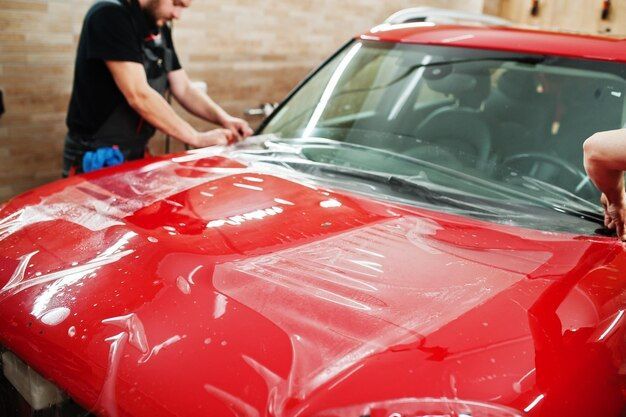
Car PPF Guide: Paint Protection Benefits, Film Types, Installation and Maintenance Tips
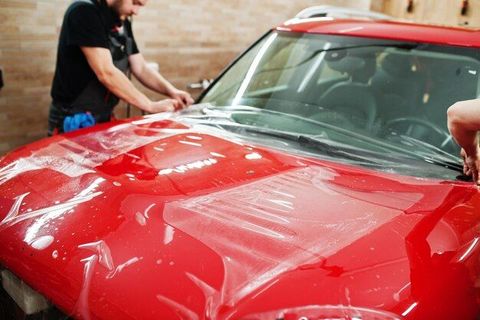
Car PPF, or paint protection film, is a thin transparent layer applied to selected painted areas of a vehicle. Its main purpose is to create a physical barrier between the vehicle's paint and everyday sources of minor damage, such as road debris, light scratches, insect residue, and environmental contaminants.
Paint protection film has its roots in protective films developed for demanding transportation and aerospace applications. Over time, advances in polyurethane materials, adhesives, and surface coatings made the technology suitable for passenger vehicles.
Modern PPF is generally made from thermoplastic polyurethane, commonly called TPU. Some films also use additional surface coatings designed to improve gloss, stain resistance, water behavior, or resistance to minor marks.
Unlike a colored vehicle wrap, PPF is primarily intended to protect the underlying paint while allowing its original appearance to remain visible. It can be applied to individual panels or to larger portions of the vehicle, depending on the vehicle, driving conditions, and protection requirements.
How Car PPF Works
A typical PPF system contains several layers that perform different functions. The exact construction varies between products, but a simplified structure may include:
- Protective top layer: Helps resist environmental contamination and minor surface marks.
- Polyurethane film: Provides the main physical barrier against light impacts and abrasion.
- Adhesive layer: Allows the film to remain attached to the painted surface.
- Release liner: Protects the adhesive before installation.
The film is carefully positioned over the selected panel and shaped around its contours. When properly installed, it can become difficult to notice from a normal viewing distance.
Where PPF Is Commonly Applied
PPF can cover many parts of a vehicle, although high-impact areas are often considered first. These may include:
- Front bumper
- Hood
- Front fenders
- Side mirrors
- Door edges
- Door cups
- Rocker panels
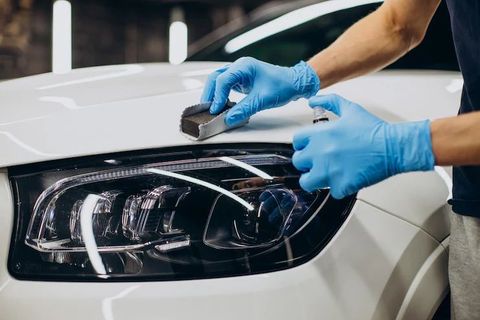
- Headlight surfaces
- Trunk loading areas
For example, a vehicle that regularly travels on highways may experience small stones striking the front bumper and hood. Applying PPF to these areas creates an additional protective layer between the debris and painted surface.
Importance
A vehicle's exterior is exposed to many conditions during normal use. Road grit, gravel, insects, tree sap, bird droppings, ultraviolet radiation, and repeated washing can gradually affect the appearance of painted surfaces.
Paint protection film does not make a vehicle immune to damage. Instead, it provides another layer that can absorb or resist certain types of minor surface damage before the underlying paint is affected.
Common Problems PPF Can Address
The usefulness of PPF depends on the type of damage involved. It is primarily associated with protection against relatively minor surface impacts and abrasion.
It may help reduce exposure to:
- Small stone chips
- Light scratches
- Road debris
- Surface scuffs
- Insect residue
- Some environmental contaminants
- Repeated contact around frequently touched areas
PPF is particularly relevant for vehicles that spend considerable time on highways or roads where loose debris is common.
PPF and Vehicle Appearance
Paint protection film can also help preserve the visual condition of painted panels. Clear film allows the original paint color to remain visible, while different finishes can change the appearance slightly.
Common finish choices include:
- Gloss finish for a bright painted appearance
- Matte finish for a less reflective appearance
- Satin finish for an appearance between gloss and matte
The choice depends on the vehicle's existing finish and the desired appearance.
PPF Versus Other Paint Protection Methods
PPF is one part of a broader group of vehicle protection options. Ceramic coatings, waxes, paint sealants, and vehicle wraps work differently.
| Protection method | Main purpose | Physical barrier | Appearance options |
|---|---|---|---|
| PPF | Impact and surface protection | Yes | Clear, matte, satin and others |
| Ceramic coating | Surface coating and easier cleaning | Very thin | Usually preserves existing finish |
| Wax | Surface protection and appearance | Minimal | Usually enhances existing finish |
| Paint sealant | Surface protection | Minimal | Usually preserves existing finish |
| Vinyl wrap | Appearance change | Yes | Many colors and designs |
The table illustrates why PPF is distinct from a surface coating. Its relatively thicker film structure provides a physical layer over the paint.
Recent Updates
Between 2024 and 2026, developments in automotive protection materials have continued to focus on durability, appearance, installation efficiency, and easier maintenance.
One noticeable trend is the increased use of advanced TPU films. TPU provides flexibility while maintaining the physical properties needed for automotive applications. Manufacturers have also continued refining surface layers to improve resistance to staining and minor surface marks.
Self-Healing Surface Technology
Some modern PPF products use a self-healing top layer. This does not mean that serious damage automatically disappears. Instead, certain light surface marks may become less visible when the film is exposed to appropriate warmth.
For example, a shallow mark caused by a soft object may become less noticeable after the film warms under suitable conditions. A deep cut that reaches through the film cannot normally be corrected through this mechanism.
Improved Film Clarity
Film clarity has also received attention. Earlier generations of protective films could sometimes show more noticeable texture, discoloration, or visual distortion.
Current materials are generally designed to maintain a clearer appearance while providing the required protective layer. Optical clarity remains particularly important on dark-colored vehicles, where surface imperfections can be easier to see.
Computer-Cut Installation Patterns
Digital vehicle measurements and computer-controlled cutting have become increasingly common in PPF installation. Pre-designed patterns can help create consistent panel coverage while reducing the need to cut directly on the vehicle.
This approach can also help installers work with complex shapes such as bumpers, mirrors, and curved body panels.
Growing Interest in Partial Coverage
Another continuing trend is selective coverage. Instead of covering every painted panel, vehicle owners may focus on areas that experience greater exposure to road debris or repeated contact.
This approach illustrates how PPF can be adapted to different driving patterns and vehicle use.
Laws or Policies
Car PPF itself is generally a vehicle appearance and protection technology rather than a regulated driving system. However, laws and vehicle policies can become relevant depending on where the film is installed.
The most important distinction is between exterior paint protection film and films applied to windows. Window tint and other transparent materials can be subject to visibility, light-transmission, or road-safety requirements in different jurisdictions.
PPF applied to painted body panels generally does not create the same visibility issue because it does not cover the driver's viewing area. However, installation around lights, sensors, cameras, registration markings, or other regulated vehicle components may require attention to local vehicle requirements.
Vehicle owners should also consider manufacturer guidance. Some vehicle finishes, repainted panels, plastic components, and aftermarket body parts may react differently to adhesives or film installation.
Important Installation Considerations
Before installation, the condition of the paint should be assessed. Areas with peeling paint, poorly bonded repainting, corrosion, or existing damage may require separate attention.
It is also useful to understand the film manufacturer's specifications regarding:
- Compatible surfaces
- Temperature limits
- Cleaning products
- Warranty conditions
- Expected film behavior
- Removal procedures
These factors can vary between products, so general PPF information should not replace the instructions supplied with a particular film.
Tools and Resources
Several tools and resources can help people understand, plan, and maintain a PPF installation.
PPF Coverage Planning Tools
Vehicle-specific pattern databases and digital templates can help identify which panels can be covered and how much film may be required. These tools are mainly useful during installation planning.
Paint Inspection Tools
A basic inspection can identify existing scratches, chips, oxidation, or previous paintwork before film application. Good lighting is especially useful because defects can become more noticeable under direct illumination.
Maintenance Supplies
Routine maintenance generally requires straightforward materials. Common examples include:
- Automotive wash solution compatible with protective films
- Soft microfiber towels
- Clean water
- Gentle washing mitts
- Film-compatible detailing products
- Soft drying towels
Harsh chemicals, abrasive compounds, or aggressive cleaning methods may affect certain films.
Manufacturer Care Guides
The technical documentation supplied with a PPF product can explain cleaning requirements, temperature limits, warranty terms, and recommended maintenance methods. These instructions are more specific than general advice because PPF formulations differ.
FAQs
What is car PPF and how does it protect paint?
Car PPF is a transparent protective film placed over painted vehicle surfaces. It can help reduce the effect of minor impacts, scratches, road debris, and certain environmental contaminants.
What are the main car PPF film types?
Common car PPF film types include gloss, matte, and satin finishes. Films can also differ in thickness, polyurethane formulation, surface coating, clarity, and self-healing characteristics.
How long does car PPF typically last?
The useful lifespan of PPF depends on film construction, exposure to sunlight and weather, washing habits, installation quality, and vehicle use. Manufacturers specify different expected periods, so the product documentation should be checked for a particular film.
Can car PPF prevent all scratches and stone chips?
No. PPF is designed to provide a protective layer, not complete immunity from physical damage. Severe impacts, deep scratches, sharp objects, and damage that penetrates the film can still affect the underlying surface.
How should car PPF be maintained?
PPF can generally be maintained through regular gentle washing, clean microfiber materials, and products compatible with the film. Abrasive cleaners and aggressive polishing techniques should be avoided unless specifically approved for the installed film.
Conclusion
Car PPF provides a physical protective layer over painted vehicle surfaces and can help reduce damage from everyday road exposure. Different film types vary in finish, construction, surface characteristics, and maintenance requirements. Recent developments have focused on clearer materials, improved surface coatings, self-healing characteristics, and more precise installation methods. Proper installation and film-compatible maintenance remain important factors in preserving both the film and the vehicle's underlying paint.