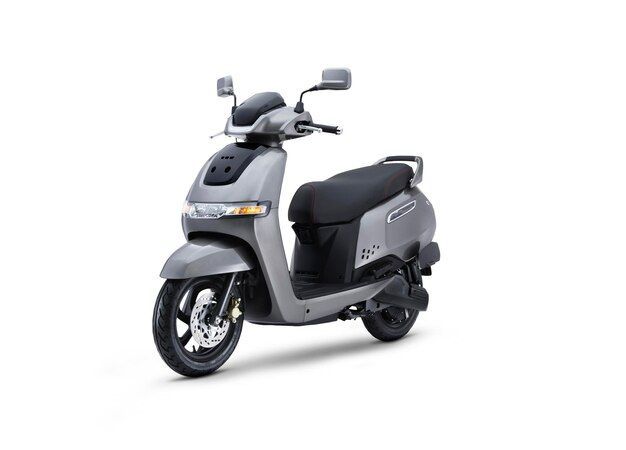
Electric Bike Guide: Choose the Right Type, Battery & Safety Features
An electric bike, commonly called an e-bike, is a bicycle equipped with an electric motor and rechargeable battery that assist the rider while pedaling or, depending on the design and local classification, provide propulsion through a control mechanism. Electric bikes combine features of conventional bicycles with electrical and electronic components.
Context
An electric bike, commonly called an e-bike, is a bicycle equipped with an electric motor and rechargeable battery that assist the rider while pedaling or, depending on the design and local classification, provide propulsion through a control mechanism. Electric bikes combine features of conventional bicycles with electrical and electronic components.
The basic concept developed from attempts to make bicycles easier to operate over longer distances, hills, and demanding terrain. Improvements in rechargeable batteries, compact motors, electronic controls, and manufacturing have made electric bicycles more practical for everyday transportation and recreational riding.
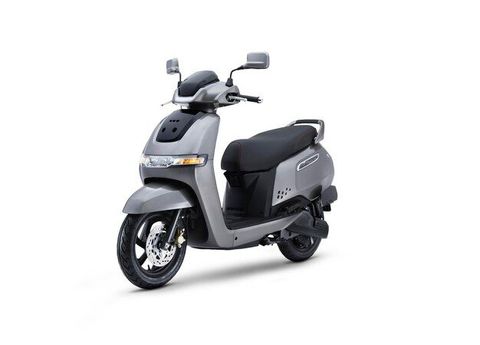
An electric bike generally contains several major components: a frame, wheels, drivetrain, motor, battery, controller, display or control unit, brakes, and electrical wiring. The motor receives power from the battery and provides assistance according to the bike's control system.
Different electric bike designs are intended for different riding conditions. City models may emphasize upright riding and practical equipment, while mountain, cargo, folding, road, and utility designs use different frame geometries, tires, motors, and battery arrangements.
How an electric bike works
When a rider activates the system, the controller manages electrical power between the battery and motor. On pedal-assist models, sensors detect pedaling and the system determines when motor assistance should be provided.
Common sensor types include cadence sensors and torque sensors. A cadence sensor primarily detects whether the pedals are turning, while a torque sensor measures the force applied to the pedals and can adjust assistance according to rider input.
The battery stores electrical energy in rechargeable cells. Its capacity is commonly expressed in watt-hours (Wh), while motor output may be described using watts. Actual riding distance depends on several factors rather than battery capacity alone.
Importance
Electric bikes have become relevant to commuting, recreation, local transportation, delivery activities, and mobility needs. They can provide pedal assistance when terrain, distance, weather, or physical effort makes conventional cycling more demanding.
Their practical use also introduces considerations that do not apply to ordinary bicycles to the same degree. Riders need to understand battery management, motor characteristics, braking performance, charging practices, protective equipment, and applicable road rules.
Choosing an electric bike therefore involves more than looking at motor output or battery capacity. The intended riding environment and physical characteristics of the rider should also be considered.
Choosing an electric bike type
Different designs suit different environments and riding patterns.
- City and commuter bikes generally have practical frames, road-oriented tires, integrated lighting, and equipment for regular urban riding.
- Mountain e-bikes are designed around rougher terrain and commonly use suspension systems, wider tires, and stronger braking components.
- Folding e-bikes use compact frames that can make transportation and storage easier.
- Cargo e-bikes are built to carry additional loads and may have extended frames, reinforced components, or larger carrying areas.
- Road and hybrid e-bikes combine electric assistance with designs intended for paved roads and longer recreational rides.
- Fat-tire e-bikes use wider tires that can provide additional flotation and stability on selected surfaces.
Comparing important specifications
| Feature | What it indicates | Why it matters |
|---|---|---|
| Battery capacity | Stored electrical energy, usually in Wh | Influences potential riding range |
| Motor rating | Electrical motor output | Helps describe assistance capability |
| Torque | Turning force produced by the motor | Relevant to hills and heavier loads |
| Sensor type | How rider input is detected | Influences assistance behavior |
| Brake type | Mechanical or hydraulic braking system | Affects braking control and maintenance |
| Tire size | Wheel and tire dimensions | Influences handling and terrain suitability |
| Frame design | Overall bicycle structure | Affects riding position and load handling |
| Charging system | Method used to recharge the battery | Determines charging requirements |
Specifications should be considered together. A larger battery, for example, does not automatically mean that every rider will obtain the same distance because terrain, rider weight, speed, temperature, tire pressure, assistance level, and wind can all influence energy consumption.
Understanding battery capacity
Battery capacity is often expressed in watt-hours. A battery rated at 500 Wh theoretically stores more electrical energy than one rated at 400 Wh, although real-world range cannot be calculated from capacity alone.
Battery chemistry, cell quality, temperature, charging behavior, age, and operating conditions can influence performance over time. The battery management system also plays an important role by monitoring conditions such as voltage and temperature.
Charging should be performed according to the manufacturer's instructions and with compatible charging equipment. Batteries should also be protected from conditions that can damage cells or create electrical hazards.
Recent Updates
Between 2024 and 2026, electric-bike development has continued to focus on battery efficiency, motor control, connectivity, safety, and integration with digital systems. Manufacturers have increasingly incorporated compact motors, improved torque sensing, electronic displays, integrated lighting, and battery-management technologies.
Battery technology remains an important area of development. Lithium-ion battery systems continue to be widely used because they can store substantial electrical energy in relatively compact packages. Research and product development continue to examine cell chemistry, thermal management, durability, charging behavior, and energy density.
Connected electric bikes
Some modern electric bikes incorporate smartphone connectivity and digital displays. Depending on the system, these features can provide information such as battery status, riding modes, trip information, maintenance notifications, navigation, or location data.
Connectivity also introduces considerations around account security, software updates, privacy, and dependence on electronic components. A connected feature is therefore an additional function rather than a direct indicator of bicycle performance.
Battery and charging safety
Battery safety has received increasing attention as electric mobility has expanded. Poor-quality cells, damaged batteries, incompatible chargers, physical damage, excessive heat, or improper charging conditions can increase the risk of battery failure.
Current safety discussions increasingly emphasize certified components, appropriate charging equipment, thermal protection, battery-management systems, and proper handling of damaged batteries.
Integrated safety technology
Electric bikes increasingly incorporate features such as hydraulic disc brakes, daytime running lights, brake lights, reflective elements, electronic speed controls, and integrated displays.
Some designs also include anti-theft tracking or electronic locking functions. These technologies vary substantially between models, so their actual capabilities should be checked against the technical documentation.
Laws or Policies
Electric-bike laws vary considerably between jurisdictions. Regulations can define an electric bicycle according to factors such as maximum assisted speed, motor output, throttle operation, vehicle weight, equipment requirements, and where the bicycle may legally operate.
Some jurisdictions divide e-bikes into multiple categories based on their operating characteristics. Other systems use different classifications or treat certain high-powered electric bicycles as motor vehicles rather than bicycles.
Rules may address:
- Maximum motor output or power
- Maximum electrically assisted speed
- Pedal-assistance requirements
- Throttle operation
- Minimum rider age
- Helmet requirements
- Lighting and reflector requirements
- Road and cycle-path access
- Registration or identification requirements
- Battery and electrical safety standards
These rules can change as electric mobility develops. A bicycle that falls within an e-bike category in one jurisdiction may fall into another regulatory category elsewhere.
Product safety requirements can also apply to batteries, chargers, electrical systems, and complete vehicles. Standards organizations and regulatory authorities may establish requirements covering electrical safety, electromagnetic compatibility, battery transport, charging equipment, and product labeling.
For this reason, the legal classification of an electric bike should be determined using the rules applicable to the location where it will be operated.
Tools and Resources
Several tools can help readers understand electric-bike specifications and operating requirements.
Range calculators
An e-bike range calculator can estimate potential riding distance from factors such as battery capacity, rider and cargo weight, average speed, terrain, wind, tire pressure, and assistance level. These calculations are estimates rather than fixed measurements.
Battery calculators
Battery calculators can help convert electrical specifications into understandable figures. For example, battery energy can be estimated from voltage and amp-hour capacity using:
Watt-hours (Wh) = Voltage (V) × Amp-hours (Ah)
The resulting figure describes nominal stored energy and does not represent the exact amount of energy available during every ride.
Route-planning platforms
Cycling route planners can show distance, elevation changes, road conditions, and cycling infrastructure. Elevation information can be particularly useful because repeated climbs generally require more motor assistance than flat routes.
Manufacturer documentation
Technical manuals can provide information about charging procedures, battery storage, operating modes, maintenance intervals, error indicators, and component specifications. This documentation is particularly relevant when interpreting a particular electric bike's features.
Safety and standards resources
National transportation authorities, consumer-safety agencies, standards organizations, and cycling organizations can provide information about applicable equipment requirements and road-use rules. Because requirements differ between jurisdictions, official local sources should be used when determining legal requirements.
FAQs
What is an electric bike?
An electric bike is a bicycle equipped with an electric motor and rechargeable battery that provides assistance or propulsion according to its design and applicable classification. Many models use pedal-assist technology that responds when the rider pedals.
How do I choose an electric bike battery?
Battery selection involves considering capacity, voltage, riding distance, terrain, rider and cargo weight, assistance level, charging conditions, and battery-management features. Capacity in watt-hours provides a useful comparison, but it does not determine actual riding range by itself.
Are electric bike safety features important?
Braking systems, lights, reflectors, tires, frame design, battery protection, and speed-control systems all contribute to the overall safety characteristics of an electric bike. Their relevance depends on the riding environment and vehicle design.
How long does an electric bike battery last?
Battery lifespan varies according to cell chemistry, charging patterns, temperature, storage conditions, usage, and battery-management systems. Capacity generally changes gradually with repeated use rather than remaining identical throughout the battery's operating life.
Can an electric bike be used on roads and cycle paths?
This depends on the legal classification of the particular electric bike and the rules governing the location where it is operated. Requirements can differ according to motor output, assisted speed, throttle operation, rider age, and equipment.
Conclusion
Electric bikes combine conventional bicycle components with motors, rechargeable batteries, electronic controls, and safety systems. Understanding bike types, battery capacity, motor characteristics, sensors, braking systems, and intended riding conditions helps explain how different designs operate. Regulations and equipment requirements vary between jurisdictions, while recent developments have focused on battery management, connected functions, and electrical safety. Actual performance depends on both the specifications of the bicycle and the conditions in which it is used.