Explore Car Dash Cam: Key Insights for Choosing the Right Camera
A car dash cam is a small camera mounted on a vehicle's windshield or dashboard that records video while driving. It has become a common accessory for drivers who want a visual record of what happens on the road. This article explains what dash cams are, why they matter, how the technology has evolved, and what factors are useful to understand before choosing one.
Context
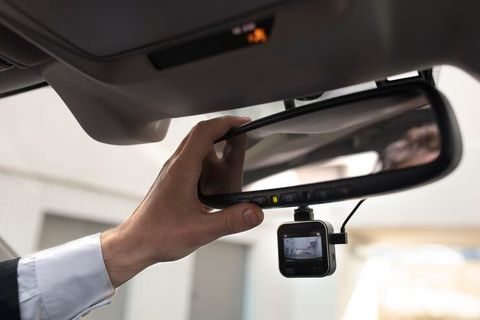
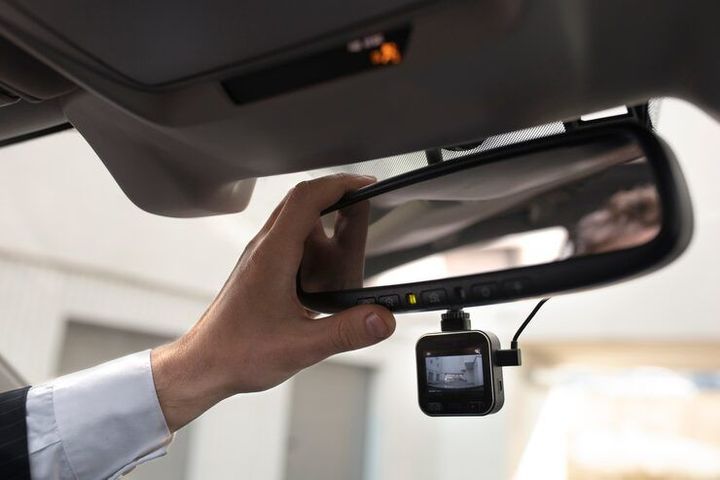
A dash cam, short for dashboard camera, is a compact recording device typically fixed near the rearview mirror or on the windshield. It continuously records video of the road ahead, and some models also capture the interior of the vehicle or the view behind it. The footage is stored on a memory card, and most cameras record in a loop, overwriting older footage once storage fills up.
The concept originated decades ago in regions where insurance fraud and staged accidents were common, making video evidence valuable for resolving disputes. Over time, dash cams spread to many countries as prices dropped and camera technology improved. Today, they are used by everyday drivers, delivery personnel, ride-share operators, and fleet managers alike.
How a Dash Cam Works
A typical dash cam includes a lens, a small processor, and a storage slot for a memory card. It draws power from the vehicle's electrical system, often through a cable connected to a 12V outlet or wired directly into the fuse box. Many modern units also include a battery or capacitor that allows limited recording even when the engine is off.
Some dash cams connect to a mobile application, allowing users to view footage, adjust settings, or download clips through a smartphone. Others operate as standalone devices with a small screen or no screen at all, relying entirely on the memory card for storage and retrieval.
Importance
Dash cams matter because they provide an independent, timestamped record of events on the road. This is useful for everyday drivers who may find themselves in a dispute after a collision, a rules violation accusation, or an incident involving another vehicle. Video evidence can clarify what actually happened when memories or verbal accounts conflict.
Beyond accidents, dash cams are relevant to a wide range of people:
- Everyday commuters who want documentation in case of a minor collision or dispute over fault.
- Parents who want a record of how a newly licensed teen driver behaves on the road.
- Delivery and ride-share drivers who may need proof of an incident for a claim.
- Fleet operators who use footage to review driving patterns and reduce risk across a group of vehicles.
The growing number of vehicles on the road, combined with the rise of distracted driving and unpredictable traffic conditions, has increased interest in having an objective record. For many drivers, a dash cam offers peace of mind, even if it is never needed for an actual incident.
Recent Updates
Dash cam technology has changed significantly in recent years. Manufacturers have shifted focus toward higher video resolution, better low-light performance, and smarter features that go beyond simple recording.
Some notable trends include:
- Wider adoption of dual-channel cameras that record both the front and rear of the vehicle simultaneously, giving a more complete picture of any incident.
- Integration of parking mode, which uses motion or impact sensors to trigger recording even when the vehicle is parked and the engine is off.
- Cloud connectivity, allowing some devices to upload footage automatically rather than relying solely on a physical memory card.
- Built-in GPS tracking, which records vehicle speed and location alongside the video, useful for reconstructing the exact circumstances of an event.
- Artificial intelligence features, such as lane departure alerts or collision warnings, that layer basic driver assistance on top of standard recording.
There has also been a broader trend toward smaller, less obtrusive camera designs that blend into the windshield area, along with improved app interfaces that make it easier to transfer and review footage from a phone.
Laws or Policies
The legality and regulation of dash cams vary by country and, in some cases, by state or region within a country. In general, recording video from inside a personal vehicle while on public roads is permitted in most places, since there is limited expectation of privacy in a public setting. However, several factors are commonly regulated or worth understanding.
| Consideration | General Guidance |
|---|---|
| Windshield placement | Some regions restrict where a device can be mounted so it does not obstruct the driver's view. |
| Audio recording | Recording audio inside the vehicle, especially of passengers, may require consent depending on local wiretapping or privacy laws. |
| Sharing footage publicly | Posting footage that identifies other people or their license plates may be subject to privacy or data protection rules. |
| Use as evidence | Courts and insurance companies generally accept dash cam footage as supporting evidence, though acceptance can depend on how the footage was obtained and stored. |
| Commercial vehicle rules | Fleet vehicles or commercial drivers may be subject to additional employer or regulatory requirements regarding in-cab recording. |
Because rules differ between jurisdictions, it is advisable to check local transportation authority guidance or consult publicly available legal resources before installing a dash cam, particularly if audio recording or interior-facing cameras are involved.
Tools and Resources
Several types of tools and resources can help someone understand or manage dash cam use, without requiring specialized technical knowledge.
- Manufacturer companion apps that allow footage review, firmware updates, and settings adjustments directly from a smartphone.
- Video file management software, often included with a dash cam, that helps organize, tag, and export clips for insurance or legal purposes.
- Government transportation department websites, which often publish guidance on vehicle equipment rules, including camera placement and windshield obstruction limits.
- Consumer protection or privacy commission websites, which explain rules around recording audio or video of other individuals.
- Online forums and community discussion boards where users compare footage quality, storage options, and installation experiences across different camera models.
Reviewing this type of publicly available information can help a person understand how a dash cam fits into local rules and typical use cases before making a decision about installation or settings.
FAQs
Is it legal to use a dash cam in my car? In most countries, recording video from inside a personal vehicle on public roads is legal. Rules around audio recording, windshield placement, and sharing footage can vary, so checking local regulations is recommended.
Does a car dash cam record all the time? Most dash cams record continuously while the engine is running, using loop recording to overwrite older footage. Some models also include a parking mode that records only when motion or an impact is detected while the vehicle is parked.
Can dash cam footage be used as evidence after an accident? Yes, dash cam footage is commonly accepted as supporting evidence by insurance companies and, in many cases, by courts. Acceptance can depend on the clarity of the footage and how it was stored or handled after the incident.
What is the difference between a single-channel and dual-channel dash cam? A single-channel dash cam records only the view in front of the vehicle, while a dual-channel dash cam records both the front and rear simultaneously. Some dual-channel systems also include a separate interior-facing lens.
Do I need a memory card for a dash cam? Most dash cams require a memory card to store recorded video, since the footage is saved locally on the device. Some newer models also support cloud-based storage as an additional or alternative option.
Conclusion
Dash cams have evolved from a niche accident-documentation tool into a widely used accessory for everyday drivers, delivery personnel, and fleet operators. Their value lies in providing an objective, timestamped record of road events, which can help resolve disputes and clarify what happened during an incident. Recent developments include dual-channel recording, parking mode, GPS integration, and basic driver-assistance features. Because rules around recording, especially audio and footage sharing, differ by location, understanding local regulations remains an important step before installation. Overall, a dash cam functions as one part of a broader approach to road safety and documentation, rather than a standalone solution.