Cold Chain Monitoring System Guide: Technologies, Components, Functions and Industry Uses
A Cold Chain Monitoring System is a technology-based arrangement used to track temperature and other environmental conditions while temperature-sensitive products are stored or transported. It is commonly used in food distribution, pharmaceutical logistics, healthcare, agriculture, and chemical manufacturing. The main purpose is to help maintain suitable conditions throughout the movement of products from their point of origin to their destination.
Context
A Cold Chain Monitoring System is a technology-based arrangement used to track temperature and other environmental conditions while temperature-sensitive products are stored or transported. It is commonly used in food distribution, pharmaceutical logistics, healthcare, agriculture, and chemical manufacturing. The main purpose is to help maintain suitable conditions throughout the movement of products from their point of origin to their destination.
Cold chain management developed alongside refrigerated storage, insulated transport, and mechanical cooling technologies. As international trade and long-distance distribution expanded, organizations needed ways to check whether products remained within specified environmental limits. Modern cold chain monitoring combines sensors, data loggers, communication networks, and software to record conditions and identify possible problems.
Understanding Cold Chain Monitoring Technology
A cold chain is a connected sequence of temperature-controlled activities, including storage, handling, transportation, and delivery. Different products require different temperature ranges, so there is no single temperature suitable for every shipment. Frozen foods, fresh produce, vaccines, and laboratory materials may each have distinct handling requirements.
A cold chain monitoring system collects information about these conditions and makes it available for review. Depending on its design, it may measure temperature, humidity, location, door openings, or equipment status. Some systems send alerts when readings cross configured limits, allowing staff to investigate potential problems.
Importance
Cold chain monitoring matters because unsuitable temperatures can affect product quality, safety, effectiveness, and usability. Food exposed to inappropriate conditions may deteriorate, while certain temperature-sensitive medical products may lose their intended characteristics. Monitoring provides records that help organizations assess whether handling conditions remained within the required limits.
These systems are important to manufacturers, warehouses, transport companies, retailers, healthcare facilities, and consumers. A failure in one part of the supply chain can affect products stored or transported farther along the same route. Monitoring helps identify where and when a deviation occurred, although it cannot automatically prevent every failure or establish product safety by itself.
Main Problems Addressed by Monitoring
Cold chain monitoring helps organizations address several operational challenges:
Temperature fluctuations: Identifies readings that move beyond specified limits during storage or transit.
Equipment failures: Helps detect abnormal conditions associated with refrigeration problems or power interruptions.
Delayed response: Sends alerts that can help staff investigate a developing issue.
Limited visibility: Provides information about conditions across warehouses, vehicles, and distribution points.
Incomplete records: Creates time-stamped measurements for audits, quality checks, and shipment investigations.
Handling interruptions: Can record door openings or location changes when the system includes appropriate sensors.
Monitoring results must be interpreted in context. A brief reading outside a permitted range may require a different assessment from a prolonged temperature deviation, depending on the product and its approved handling requirements.
Components of a Cold Chain Monitoring System
A typical system contains several connected components, each with a specific role.
Sensors: Measure temperature, humidity, or other environmental conditions.
Data loggers: Record measurements at defined intervals, including during periods without network connectivity.
Connectivity devices: Transfer information through cellular networks, Wi-Fi, Bluetooth, or other communication technologies.
Monitoring software: Displays readings, trends, alerts, and historical records.
Alert mechanisms: Notify designated personnel when configured thresholds or equipment conditions are detected.
Power sources: Batteries or external electrical supplies keep devices operating.
Calibration and verification procedures: Help establish whether measurements remain sufficiently accurate for the intended use.
Some systems combine multiple functions in one device, while others use separate sensors, gateways, and software platforms. The configuration depends on the transport environment, monitoring requirements, and the products involved.
Common Monitoring Technologies
| Technology | Main function | Typical application |
|---|---|---|
| Temperature sensor | Measures current temperature | Cold rooms and refrigerated vehicles |
| Data logger | Stores readings over time | Shipments and warehouse monitoring |
| IoT monitoring device | Sends sensor data to connected platforms | Distributed storage and transport |
| GPS tracker | Reports location | Shipment visibility |
| RFID tag | Supports identification and data capture | Inventory and logistics operations |
| Cloud dashboard | Displays records and alerts remotely | Multi-site monitoring |
| Wireless gateway | Transfers data from compatible devices | Warehouses and transport hubs |
These technologies may be used individually or together. For example, a refrigerated vehicle may use temperature sensors, a location tracker, and a wireless connection to report conditions during transit.
Recent Updates
Cold chain monitoring has increasingly incorporated connected sensors, cloud-based records, automated alerts, and data analysis. Developments during 2024–2026 have continued to reflect the broader use of Internet of Things (IoT) technology, improved remote visibility, and digital documentation across temperature-sensitive supply chains. Adoption differs by industry, organization, and region.
IoT and Real-Time Temperature Monitoring
IoT-based systems connect physical sensors to digital platforms so that measurements can be transmitted and reviewed remotely. Depending on network coverage and device design, monitoring information may be updated frequently or stored locally until a connection becomes available.
Real-time temperature monitoring can help staff identify deviations sooner than periodic manual checks alone. However, actual alert speed depends on sensor sampling intervals, network availability, software configuration, and the response procedures used by the organization.
Artificial Intelligence and Predictive Analysis
Some monitoring platforms use analytical models to identify unusual temperature patterns, estimate equipment problems, or support maintenance planning. For example, repeated changes in refrigeration performance may indicate a need for technical inspection.
These analytical tools depend on the quality and completeness of the underlying data. An automated warning should be treated as an indication for investigation rather than proof that a particular fault has occurred.
Connected Devices and Digital Records
Battery-efficient sensors, improved wireless connectivity, and digital reporting tools are helping organizations monitor products across multiple locations. Electronic records can also make it easier to review shipment histories and prepare documentation for quality assessments.
Cybersecurity and data integrity remain important considerations. Organizations need suitable access controls, device maintenance, backup procedures, and clear responsibilities for reviewing alerts and responding to system failures.
Laws or Policies
Cold chain monitoring requirements depend on the product, industry, and country in which it is manufactured, stored, transported, or distributed. Regulations may specify temperature controls, recordkeeping, equipment qualification, sanitation, product handling, and procedures for responding to deviations. A monitoring system supports compliance but does not replace all other legal or operational requirements.
Food Safety Requirements in India
In India, the Food Safety and Standards Authority of India (FSSAI) establishes food safety requirements under the Food Safety and Standards Act, 2006, and related regulations. Applicable provisions address matters such as food storage, transportation, hygiene, and temperature control for relevant food categories and activities.
Food businesses must follow the requirements applicable to their operations and products. Cold chain monitoring records may help demonstrate handling conditions, but compliance also depends on appropriate facilities, staff practices, maintenance, and other required controls.
Pharmaceutical and Healthcare Requirements
India's Central Drugs Standard Control Organisation (CDSCO) oversees relevant aspects of drug regulation under the country's legal framework. Applicable requirements can involve storage conditions, distribution practices, documentation, and quality management, depending on the product and activity.
Vaccines and other temperature-sensitive medical products may have specific handling instructions established by the manufacturer and relevant health authorities. Organizations should follow the applicable product information and regulatory guidance rather than applying one temperature range to every medical product.
International Standards and Guidance
International organizations publish guidance and standards that can help businesses develop suitable monitoring procedures. The World Health Organization provides technical guidance concerning temperature-sensitive pharmaceutical products and vaccine handling. The International Organization for Standardization publishes standards relevant to temperature monitoring, measurement, and quality management.
Requirements vary across jurisdictions and product categories. Organizations operating internationally need to identify the rules applicable to each stage of the supply chain, including importation, transport, storage, and distribution.
Tools and Resources
Cold chain monitoring tools range from individual temperature loggers to integrated platforms that track equipment, shipments, and environmental data. The appropriate configuration depends on the monitoring objective, required accuracy, operating environment, and applicable regulations.
Monitoring Software and Equipment
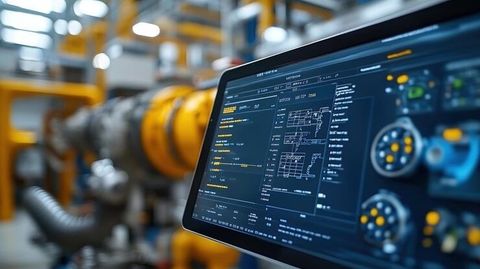
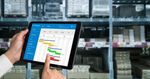
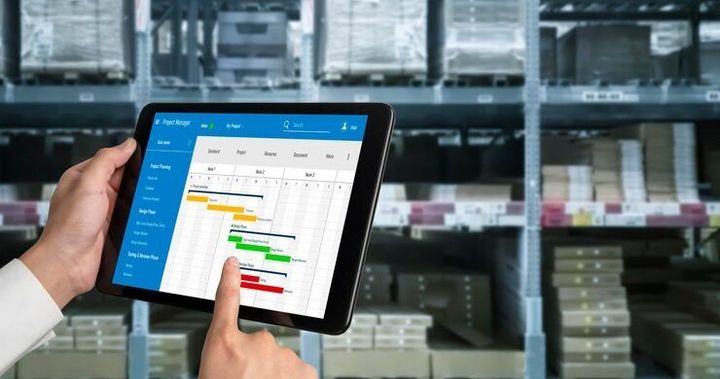
Temperature monitoring dashboards display current readings, historical trends, and alerts from connected devices. Some platforms can manage several warehouses or vehicles through a central interface, while others are designed for a single refrigerator or shipment.
Data loggers are useful when continuous network access is unavailable. They can store readings for later review, although staff may not receive immediate warnings unless the device supports a suitable communication method.
Standards and Reference Resources
The following resources provide technical or regulatory information:
FSSAI: Information about food safety regulations and applicable food-handling requirements in India.
CDSCO: Indian drug regulatory information and relevant pharmaceutical guidance.
World Health Organization: Technical materials concerning vaccine handling, temperature monitoring, and pharmaceutical supply chains.
International Organization for Standardization: Published standards relevant to measurement, quality management, and logistics.
National Institute of Standards and Technology: Measurement science resources that can support understanding of sensor accuracy and calibration.
Monitoring Records and Operational Checklists
A monitoring record commonly includes the product or storage unit identifier, sensor identification, date and time, measured temperature, permitted range, and any alert or corrective action. Depending on the application, it may also include location, humidity, calibration status, and the person responsible for reviewing the record.
A practical operating checklist may cover sensor placement, calibration schedules, battery condition, communication status, alert recipients, backup procedures, and the review of temperature deviations. Written procedures help staff understand what to do when readings are missing, devices fail, or conditions move outside permitted limits.
FAQs
What is a cold chain monitoring system?
A cold chain monitoring system uses sensors, data loggers, and software to track temperature and other conditions during storage and transportation. It helps organizations identify deviations and maintain records of handling conditions.
How does IoT cold chain monitoring work?
IoT cold chain monitoring connects sensors to communication devices that transmit measurements to a monitoring platform. The platform can display readings, store records, and generate alerts when configured limits are exceeded.
Which industries use cold chain monitoring systems?
Food processing, grocery distribution, pharmaceuticals, healthcare, agriculture, biotechnology, and certain chemical industries use cold chain monitoring. Requirements vary according to product sensitivity and applicable regulations.
What are the main components of a cold chain monitoring system?
Common components include temperature sensors, data loggers, communication devices, monitoring software, alerts, power supplies, and calibration procedures. Some systems also include humidity sensors and location tracking.
Which regulations apply to cold chain monitoring in India?
Relevant requirements depend on the industry and product. Food businesses may need to follow applicable FSSAI rules, while pharmaceutical operations must consider relevant drug regulations and product-specific handling requirements.
Conclusion
A cold chain monitoring system tracks environmental conditions throughout the storage and transportation of temperature-sensitive products. Sensors, data loggers, connected devices, and monitoring software provide records that help organizations identify deviations and investigate operational problems. Regulatory requirements vary by industry and destination, making accurate measurement, documentation, and appropriate response procedures important parts of cold chain management. The system's effectiveness depends on its design, maintenance, data quality, and the actions taken when problems arise.

You May Also Like