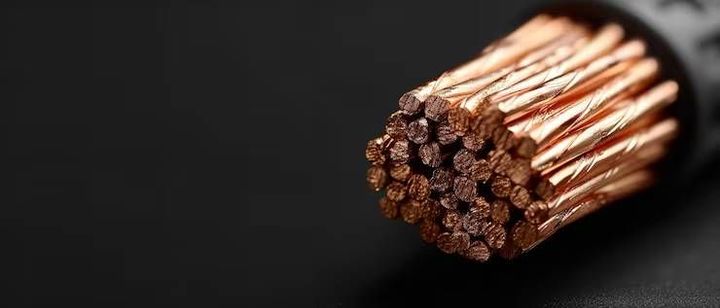
Copper Cable Granulators Explained: Types, Components, Working Principles, Applications and Benefits
Copper cable granulators are machines used to separate copper conductors from the insulating materials surrounding them. They are commonly used when discarded electrical cables, wires, and related materials need to be processed so that copper and non-metallic materials can be separated into different streams. A typical copper cable granulator uses mechanical cutting, crushing, separation, and screening processes rather than chemical treatment.
Copper cables contain valuable conductive metal, while their outer layers are commonly made from materials such as PVC, rubber, polyethylene, or other polymers. When cables reach the end of their useful life, separating these materials can make subsequent recycling and material handling more practical. Copper cable granulators are therefore associated with electrical waste processing, metal recovery, and material separation.
The basic idea behind copper cable recycling is relatively simple: reduce the cable into smaller pieces and then separate the heavier copper particles from lighter insulation particles. Depending on the machine design, air separation, vibration, screening, or other mechanical methods may be used to improve the separation process.
Importance
Why Copper Cable Recycling Matters
Copper is widely used in electrical wiring because it conducts electricity efficiently and can be processed repeatedly. Discarded cables can contain significant amounts of copper along with plastic insulation, making material separation an important part of cable recycling.
Copper cable granulators can help process mixed cable materials into separate fractions. This reduces the need for manual stripping of every cable and creates a more consistent material stream for further processing.
Cable recycling also relates to broader waste-management challenges. Electrical equipment, communication systems, industrial machinery, vehicles, buildings, and infrastructure can all generate discarded wiring and cable materials. Proper handling helps prevent recyclable materials from being mixed unnecessarily with general waste.
Who Uses These Systems?
Copper cable granulators can be found in several types of material-processing environments, including:
- Electrical and electronic waste recycling facilities
- Metal recycling operations
- Cable-processing facilities
- Industrial waste-management operations
- Electrical equipment dismantling facilities
- Facilities handling recovered wire and cable materials
The appropriate equipment depends on cable diameter, insulation type, material composition, expected throughput, and the required degree of separation.
Recent Updates
Developments in Cable Recycling
From 2024 through 2026, recycling policy and circular-economy initiatives have continued to place greater attention on the recovery and organized processing of electrical and metal-containing waste. In India, the E-Waste (Management) Rules, 2022 remain an important regulatory framework, with amendments and implementation activity continuing during this period. The rules established an Extended Producer Responsibility framework and require covered stakeholders to use registered recycling channels.
The Central Pollution Control Board has also emphasized environmentally sound management of e-waste and the use of formal recycling systems. Its framework includes EPR certificates associated with recovered materials such as copper, aluminium, iron, and gold.
Another development has been increased attention to non-ferrous metal recycling. In 2025, the Ministry of Mines introduced a dedicated website and stakeholder portal intended to strengthen the organized recycling ecosystem for metals including copper and aluminium.
These developments have encouraged greater interest in mechanical separation systems, material traceability, formal recycling facilities, and improved recovery processes. Equipment manufacturers and recycling operators have also continued to work with systems that combine shredding, granulation, screening, and air-based separation.
Automation and Separation Technology
Modern cable granulator systems can incorporate automated feeding, adjustable cutting systems, vibration-based separation, air separation, dust-control arrangements, and monitoring systems. The exact configuration varies according to the material being processed.
Smaller systems may be designed for relatively light cable streams, while larger industrial systems can include multiple processing stages. Some installations combine pre-shredding with fine granulation when cables are too large or irregular for direct processing.
Laws or Policies
India’s E-Waste Framework
In India, the E-Waste (Management) Rules, 2022 came into force on April 1, 2023. The framework applies to specified electrical and electronic equipment and covers manufacturers, producers, refurbishers, dismantlers, and recyclers within its defined scope. It establishes Extended Producer Responsibility requirements and places emphasis on environmentally sound recycling.
The rules were amended in 2024, and government information published during 2025 and 2026 continues to identify the E-Waste (Management) Rules, 2022 and their amendments as part of India's current waste-management framework.
Registration and Recycling
CPCB information states that producers, manufacturers, refurbishers, and recyclers covered by the e-waste framework are required to register through the applicable CPCB system. EPR obligations are connected with recycling through registered recyclers.
Not every discarded cable automatically falls into the same regulatory category. The classification can depend on its origin, whether it forms part of covered electrical or electronic equipment, and how the material is handled. Organizations handling significant quantities should therefore refer to applicable CPCB and State Pollution Control Board requirements.
India has also been developing a broader circular-economy framework covering several waste categories. Government information published in 2026 identifies e-waste, non-ferrous scrap metal, batteries, used oil, waste tyres, and other materials within separate waste-management frameworks.
Tools and Resources
Equipment Used With Copper Cable Granulators
A copper cable granulator is normally part of a larger material-processing setup rather than an isolated component. Depending on the cable stream, equipment may include:
- Cable pre-cutters for reducing long cable sections
- Shredders for larger or irregular cable material
- Granulators for producing smaller particles
- Vibrating screens for particle classification
- Air separators for separating lighter insulation from heavier metal
- Magnetic separators when ferrous contamination is present
- Dust-collection systems for controlling airborne particles
- Conveyors for moving material between processing stages
The actual arrangement depends on the type and condition of the incoming cable.
Important Machine Parameters
When studying a wire granulator or cable granulator machine, several technical parameters are commonly considered.
| Parameter | What It Describes |
|---|---|
| Cable size range | Diameter or dimensions of cable the system can process |
| Processing capacity | Approximate material quantity handled over a period |
| Motor power | Electrical power used by the drive system |
| Granule size | Approximate size of processed particles |
| Separation method | Air, vibration, screening, or combined separation |
| Feed system | How cable material enters the processing line |
| Dust control | Methods used to contain fine particles |
| Output streams | Separated copper and insulation fractions |
Machine specifications should be interpreted together rather than individually. A system designed for thin communication wires may operate differently from equipment intended for thick industrial power cables.
How a Copper Cable Granulator Works
The working principle generally involves several stages.
First, incoming cables are inspected and prepared. Large pieces, unwanted objects, or materials outside the machine's intended feed range may be removed.
Next, the cable enters a cutting or granulation chamber. Rotating blades reduce the cable into smaller pieces, allowing the copper conductor and insulation to become physically separated or easier to separate.
The processed material then moves through a separation stage. Because copper and plastic have different physical characteristics, systems can use airflow, vibration, screening, or combinations of these methods to separate the fractions.
Finally, the separated materials are collected in different containers or conveyed to additional processing stages. The resulting copper fraction may undergo further sorting or refining depending on its intended use.
Applications
Electrical Cable Recycling
One of the main applications is processing discarded electrical cables. These may come from electrical installations, equipment replacement, infrastructure maintenance, or dismantling activities.
The machine configuration depends heavily on cable construction. Single-core cables, multi-core cables, flexible wires, and heavily insulated cables can behave differently during granulation and separation.
Industrial and Communication Cables
Copper cable granulators can also be used with certain industrial and communication cable streams. Some cables contain multiple layers of insulation or shielding, which can require additional preparation before granulation.
Material identification is important because cables may contain copper, aluminium, steel, plastics, or other components. Mixing incompatible material streams can affect the consistency of the output.
Material Recovery
The recovered copper fraction can be directed into appropriate downstream recycling processes. Plastic insulation can also be collected separately for suitable material-management routes when its composition and condition allow it.
This separation illustrates the broader principle of material recovery: different components are handled according to their physical and chemical characteristics instead of being treated as one mixed waste stream.
Benefits and Limitations
Material Separation Benefits
Copper cable granulators can provide several practical advantages in appropriate recycling environments. Mechanical processing can reduce the amount of manual stripping required for suitable cable types and can create relatively consistent material fractions.
The equipment can also integrate with other recycling machinery. For example, a large cable may first pass through a size-reduction stage before entering a finer granulation and separation process.
Operational Considerations
A granulator does not automatically provide the same results for every cable type. Performance can be affected by cable diameter, insulation composition, moisture, contamination, feed consistency, blade condition, and machine configuration.
Operators also need to consider dust, noise, moving parts, electrical safety, and maintenance requirements. Proper guarding, ventilation, dust control, and operating procedures are important parts of a safe processing environment.
FAQs
What is a copper cable granulator?
A copper cable granulator is a mechanical recycling machine designed to reduce cable into smaller particles and separate copper conductors from insulation and other materials. It commonly uses cutting, granulation, screening, vibration, or air separation.
How does a copper cable granulator work?
The cable is generally fed into a cutting or granulation chamber where rotating blades reduce it into smaller pieces. The resulting mixture then passes through a separation system that uses differences in weight, size, airflow, or vibration to separate copper from insulation.
What types of cable can a wire granulator process?
The suitable cable range depends on the particular machine. Common examples can include electrical wires, flexible cables, communication cables, and certain industrial cables. Large, heavily insulated, wet, or contaminated cables may require additional preparation.
What components are found in a cable granulator machine?
Common components include a feeding system, cutting chamber, rotating blades, motor, screen, separation unit, conveyors, collection containers, and dust-control equipment. Larger systems may include a pre-shredder or multiple separation stages.
Is copper cable recycling regulated in India?
Certain electrical and electronic waste activities in India are regulated under the E-Waste (Management) Rules, 2022 and subsequent amendments. Requirements can vary according to the material and the activity involved, so organizations should consult CPCB and applicable State Pollution Control Board requirements.
Conclusion
Copper cable granulators use mechanical size reduction and separation methods to divide copper conductors from cable insulation and related materials. Their applications include electrical cable recycling, industrial material recovery, and processing of selected wire and cable streams. Machine design varies according to cable size, material composition, processing capacity, and separation requirements. In India, cable and e-waste processing can also be affected by environmental regulations, registration requirements, and broader circular-economy policies.