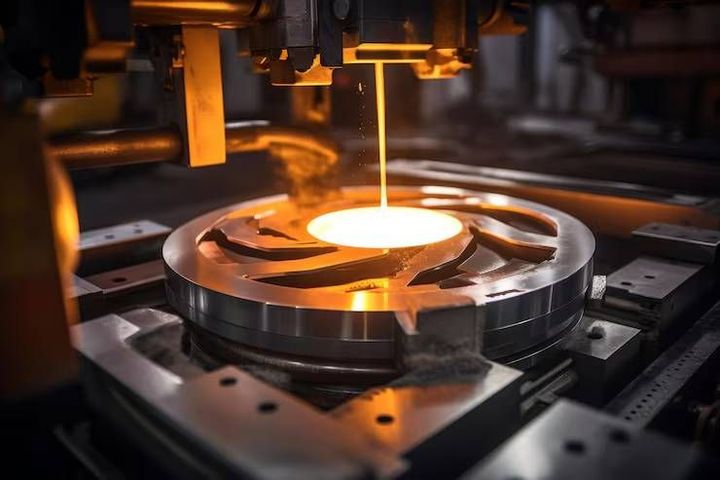
Discover Metal Forming Machinery for Precision Fabrication and Industrial Production
Metal forming machinery refers to industrial equipment used to change the shape, dimensions, or structure of metal through mechanical force, pressure, bending, stretching, or compression.
These machines play an important role in precision fabrication and industrial production, where metal components must meet defined measurements, strength requirements, and design specifications.
Metal forming has developed alongside manufacturing methods used to produce tools, structures, transportation equipment, and household products. Early processes relied heavily on manual hammering, basic presses, and rolling equipment. Modern systems combine mechanical engineering, hydraulic power, electrical controls, and computer-based programming to produce consistent shapes from metal sheets, plates, bars, and billets.
The equipment selected for a manufacturing process depends on several factors, including the type of metal, its thickness, the required shape, production volume, and dimensional tolerances. Aluminum, steel, copper, and other metal alloys respond differently to forming forces, so process selection requires an understanding of material properties.
Main Types of Metal Forming Machinery
Metal forming machinery includes several equipment categories, each designed for a particular manufacturing operation.
Press brakes bend sheet metal into angles, channels, and other profiles.
Hydraulic presses apply controlled force to shape, compress, or form metal components.
Mechanical power presses use mechanical drive systems for repeated forming operations.
Rolling machines pass metal between rollers to reduce thickness or create curved shapes.
Stamping presses form sheet metal using dies that cut, bend, or reshape material.
Tube bending machines produce curved pipes and tubular components.
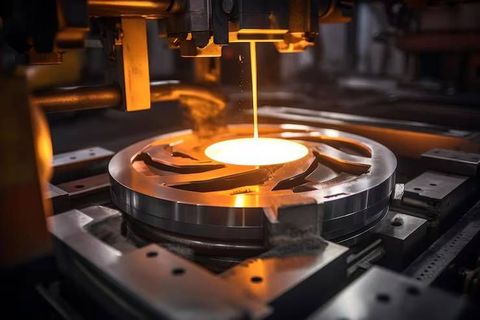
Forging presses shape heated or, in some processes, cold metal through compressive force.
Roll forming machines gradually shape continuous metal strips into consistent profiles.
These machines may operate individually or as part of an integrated production line. Their configuration depends on the required component geometry, material characteristics, and manufacturing sequence.
How the Metal Forming Process Works
Metal forming generally begins with material preparation. Operators select the appropriate metal grade, inspect its dimensions, and determine whether it requires cutting, heating, lubrication, or surface preparation before entering the machine.
The material is then positioned in the forming equipment. Tools, dies, rollers, or punches apply the force needed to produce the intended shape. After forming, the component may undergo trimming, dimensional inspection, surface treatment, or additional machining.
Successful forming requires careful control of pressure, alignment, material flow, and tooling condition. Excessive force or unsuitable forming parameters can cause cracking, wrinkling, distortion, or unwanted changes in component dimensions.
Importance
Why Metal Forming Machinery Matters
Metal forming machinery supports the production of components used in construction, transportation, energy systems, electronics, agricultural equipment, and industrial infrastructure. Many products depend on accurately shaped metal parts that must fit together with other components.
Precision fabrication is particularly important when parts require consistent dimensions across repeated production cycles. Forming equipment can reduce dependence on manual shaping and help manufacturers maintain repeatable production methods when processes are properly configured and monitored.
Metal forming also supports material efficiency. Processes such as stamping, bending, and roll forming can create specific shapes directly from sheet metal or continuous strips, reducing the need to remove large quantities of material through machining. Actual material savings depend on part design, tooling, scrap rates, and the chosen production method.
Industries That Use Metal Forming Equipment
Metal forming machinery is used across a wide range of industrial applications.
Automotive manufacturing uses stamping presses, roll forming equipment, and bending machines for body panels, brackets, and structural components.
Construction manufacturing uses bending and rolling equipment for metal frames, roofing profiles, ducts, and structural elements.
Aerospace production uses specialized forming processes for selected sheet-metal and structural components requiring controlled dimensions.
Electrical equipment manufacturing uses forming machines to shape enclosures, cabinets, panels, and supporting structures.
Agricultural machinery production uses presses and bending equipment for housings, frames, guards, and brackets.
Energy infrastructure manufacturing uses forming processes for selected pipes, supports, pressure-related components, and equipment housings.
Each sector has different requirements for material strength, surface finish, dimensional accuracy, and production traceability.
Factors That Influence Machine Selection
Choosing suitable metal forming machinery involves evaluating technical and operational requirements rather than focusing on a single specification.
Important considerations include:
Material type and thickness
Maximum forming force or tonnage
Component dimensions and shape complexity
Required production volume
Tooling and die compatibility
Machine accuracy and repeatability
Energy consumption and maintenance needs
Operator training and workplace safety provisions
The relationship between machine capacity and actual forming requirements is especially important. A machine with insufficient capacity may produce defective components or experience excessive wear, while an unsuitable configuration can create unnecessary operational complexity.
Comparing Common Metal Forming Machines
Machine type | Main operation | Typical applications |
|---|---|---|
Press brake | Bending sheet metal | Panels, brackets, channels |
Hydraulic press | Compression and forming | Deep forming, shaping, pressing |
Stamping press | Repeated die-based forming | Panels, covers, metal blanks |
Rolling machine | Thickness reduction or curving | Plates, cylinders, curved sections |
Roll forming machine | Continuous profile shaping | Roofing sections, rails, channels |
Tube bending machine | Bending tubular material | Frames, pipes, tubular assemblies |
Forging press | Compressive shaping | Strong mechanical components |
The table provides general examples. Actual suitability depends on material specifications, machine capacity, tooling design, and component requirements.
Recent Updates
Automation and Digital Machine Controls
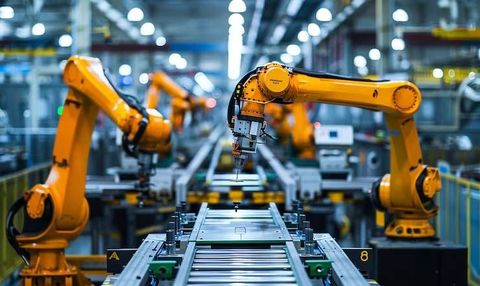
Recent developments in metal forming machinery increasingly involve programmable controls, automated material handling, and production monitoring. Computer numerical control (CNC) systems allow operators to program machine movements and forming sequences for compatible equipment.
Automated loading and unloading can reduce repetitive manual handling in suitable production environments. Sensors and digital monitoring systems can also help identify process variations, machine interruptions, and maintenance requirements.
However, automation does not eliminate the need for skilled setup, inspection, and supervision. Incorrect programs, worn tooling, material variation, or sensor faults can still affect production quality.
Energy Efficiency and Production Monitoring
Manufacturers continue to examine energy consumption, equipment utilization, and process consistency when evaluating industrial machinery. Hydraulic systems, mechanical drives, and electrically driven equipment have different operating characteristics, so energy performance depends on the machine design and production cycle.
Digital monitoring can provide information about operating time, machine status, production quantities, and selected process parameters. These measurements help production teams identify inefficiencies and investigate recurring defects.
Flexible Manufacturing
Another ongoing trend is the use of programmable equipment that can accommodate different component designs with controlled setup changes. CNC press brakes, adaptable tooling systems, and configurable production cells can support varied production requirements.
This flexibility is relevant to manufacturers producing several component types in smaller batches. Nevertheless, changeover time, tooling requirements, programming complexity, and operator experience remain important considerations.
Laws or Policies
Machinery Safety Requirements
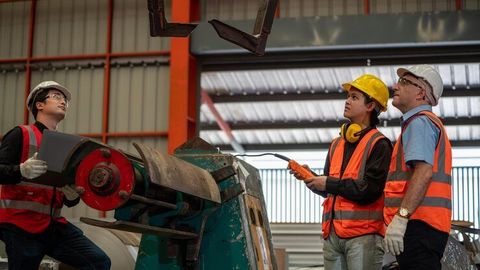
Metal forming machinery can expose workers to crushing points, moving tooling, sharp metal edges, electrical hazards, and stored hydraulic or pneumatic energy. Workplace safety rules therefore commonly address machine guarding, emergency stopping, maintenance procedures, operator training, and safe handling practices.
Requirements differ by country and equipment category. Manufacturers and facility operators need to identify the rules that apply to their location, industry, machine type, and intended use.
Singapore's Industrial Safety Framework
In Singapore, workplace safety is governed by the Workplace Safety and Health framework, including requirements under the Workplace Safety and Health Act and relevant subsidiary legislation. Depending on the equipment and workplace, duties may involve risk assessment, safe work procedures, maintenance, training, and the management of machinery-related hazards.
Risk assessments should consider normal operation as well as setup, cleaning, tooling changes, fault correction, and maintenance. Guards and interlocks must not be bypassed as a substitute for correcting an unsafe condition.
International Standards and Conformity
International standards can help manufacturers assess machinery design, guarding, risk reduction, and control-system safety. ISO 12100 addresses machinery safety risk assessment and risk reduction, while the ISO 13850 standard covers emergency-stop function design principles.
These standards are not automatically legal requirements in every jurisdiction. Their application depends on local legislation, contractual specifications, industry expectations, and the equipment's intended use.
Environmental and Energy Considerations
Industrial facilities may also need to comply with applicable requirements concerning electricity use, waste management, metal scrap, noise, and emissions associated with particular manufacturing processes. Heating and forging operations can have additional workplace and environmental considerations.
Appropriate maintenance, scrap segregation, and monitoring of energy use can support more organized production. Specific legal obligations should be assessed against the facility's location and operational activities.
Tools and Resources
Engineering Design and Simulation Software
Computer-aided design (CAD) software helps engineers create component drawings, define dimensions, and prepare designs for fabrication. Computer-aided manufacturing (CAM) tools can support compatible production workflows by translating design information into manufacturing instructions.
Finite element analysis (FEA) and metal forming simulation tools can help estimate material deformation, stress distribution, springback, and potential defects. Simulation results depend on the accuracy of material data, process assumptions, and model settings, so they should be interpreted alongside physical testing and engineering review.
Machine Selection Calculators
Engineering calculators can help estimate forming requirements and compare machine capabilities. Depending on the process, useful calculations may include:
Press force or tonnage estimates
Sheet-metal bending force
Material thickness and bend allowance
Production cycle time
Material utilization
Energy consumption per production cycle
These calculations are preliminary planning tools. Actual machine requirements can vary with tooling geometry, material strength, friction, machine configuration, and the manufacturer's technical specifications.
Inspection and Quality Control Tools
Measurement equipment supports the verification of finished metal components. Common examples include digital calipers, micrometers, angle gauges, coordinate measuring machines, and profile measurement systems.
Inspection plans usually identify the dimensions and features that require checking, the acceptable tolerance range, and the inspection frequency. Statistical process control can help production teams identify patterns in measurement data before variations become widespread.
Maintenance and Production Records
Structured maintenance records can document inspections, lubrication, tooling condition, breakdowns, repairs, and replacement parts. Production logs can record machine settings, batch details, rejected components, and quality inspection results.
These records support troubleshooting and help teams identify recurring problems. They are particularly useful when several machines or production shifts contribute to the same manufacturing process.
FAQs
What is metal forming machinery used for?
Metal forming machinery changes the shape of metal through bending, pressing, rolling, stamping, or forging. It is used to produce components for construction, transportation, electrical equipment, industrial machinery, and other manufacturing applications.
Which metal forming machine is suitable for precision fabrication?
The suitable machine depends on the component design and material. CNC press brakes are commonly used for programmed sheet-metal bending, while stamping presses, rolling machines, and specialized forming equipment address different shapes and production requirements.
What factors affect metal forming machinery selection?
Important factors include material grade, thickness, forming force, component dimensions, production volume, tooling compatibility, dimensional tolerances, maintenance requirements, and workplace safety provisions.
How does automation improve industrial metal forming?
Automation can support repeatable machine movements, consistent material handling, production monitoring, and reduced manual handling. Its effectiveness depends on process design, equipment integration, programming quality, and operator supervision.
What safety precautions apply to metal forming equipment?
Common precautions include appropriate machine guarding, emergency-stop systems, operator training, safe tooling changes, routine inspections, and isolation of hazardous energy during maintenance. Applicable workplace regulations and equipment instructions must also be followed.
Conclusion
Metal forming machinery supports precision fabrication by shaping metal into components used across many industrial sectors. Different equipment types perform specialized operations, making material properties, machine capacity, tooling, and dimensional requirements central to equipment selection. Automation, digital monitoring, and simulation are influencing current manufacturing practices, while safety and quality control remain essential throughout production. Understanding these technical and operational factors provides a foundation for evaluating metal forming processes and their industrial applications.