Drum Washer Machines Keep Food Processing Lines Clean and Running Smoothly
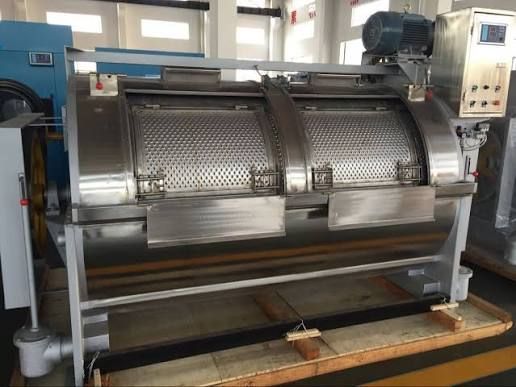
Drum washer machines are industrial washing systems used to clean fruits, vegetables, and other suitable food materials before further processing. They are designed around a rotating cylindrical drum that moves products through water while mechanical action helps remove soil, dust, loose particles, and other surface contamination.
Context
Food processing lines often handle large quantities of raw materials within a limited production area. Manual washing can become difficult when products arrive with different amounts of soil or when continuous processing is required. Drum washing equipment provides a controlled mechanical process that can be integrated with conveyors, inspection stations, peeling equipment, cutting systems, and other processing machinery.
The concept is relatively simple. Raw material enters one end of the rotating drum, moves through the washing zone as the drum turns, and exits after a defined period. Water and mechanical movement work together to loosen unwanted material from the product surface.
How drum washer machines work
A typical drum washer contains a perforated or open-surface cylindrical chamber mounted on a rotating mechanism. Products enter the drum and move forward as the drum rotates, depending on its angle, internal flights, paddles, or other conveying features.
Water can be introduced through spray nozzles or into a washing chamber. The interaction between water and product helps loosen soil and other surface material. Some designs also use brushes or controlled agitation when additional mechanical action is appropriate.
The main stages generally include:
Product loading: Raw material enters the washing drum through an inlet.
Washing: Water and mechanical movement interact with the product.
Material separation: Soil and loose particles move away from the product through perforations or water flow.
Rinsing: Some systems provide a separate rinse stage using cleaner water.
Discharge: Washed material leaves the drum and continues to another processing stage.
The exact arrangement varies according to the product, production capacity, washing requirements, and overall processing-line design.
Common food materials
Drum washer machines can be configured for various agricultural and food-processing materials. Examples may include root vegetables, tubers, certain fruits, and other firm products that can tolerate controlled mechanical movement.
Product characteristics matter when selecting a washing method. Surface texture, size, shape, firmness, moisture sensitivity, and the amount of soil attached to the product can all influence how a washing drum should operate.
Importance
Cleaning is an important stage in many food processing operations because raw materials can arrive with soil, plant debris, dust, and other unwanted material. A washing system helps prepare these materials for subsequent handling and processing.
The washing stage also has an effect on the rest of the production line. Excess soil entering peeling, slicing, cutting, or inspection equipment can increase the amount of material that must be managed downstream. A properly configured washing stage can therefore help create a more consistent input for subsequent operations.
Maintaining consistent processing
A drum washer can provide a repeatable washing process compared with irregular manual handling. Factors such as drum rotation, water flow, product residence time, and loading rate can be adjusted according to the equipment design and processing requirements.
However, washing performance does not depend on one setting alone. Excessive mechanical action can potentially damage delicate products, while insufficient movement may leave unwanted material on the surface.
Water management
Water is a major consideration in food washing operations. The quantity and quality of water used can affect washing performance, operating practices, and wastewater handling.
Some systems use continuous water flow, while others incorporate recirculation arrangements or staged water management. Filtration, screening, sediment removal, and controlled replacement may be incorporated depending on the process.
Water management can include:
Monitoring water condition during operation
Removing accumulated soil and solid particles
Separating larger debris before discharge or recirculation
Managing rinse water separately where appropriate
Cleaning water-contact components according to established procedures
Water handling requirements depend on the food material, equipment configuration, local rules, and the overall hygiene program.
Main components
Although designs differ, drum washer machines commonly contain several functional components.
| Component | General function |
|---|---|
| Rotating drum | Moves and exposes products to the washing process |
| Drive system | Rotates the drum at the required operating speed |
| Spray system | Delivers water across the product surface |
| Internal flights or paddles | Help move products through the drum |
| Water collection area | Captures used washing water |
| Screens or filters | Separate larger solid particles from water |
| Inlet | Introduces raw material into the machine |
| Discharge | Transfers washed material to the next stage |
The configuration may be modified according to product characteristics and the layout of the processing line.
Recent Updates
Recent developments in food-processing washing equipment have focused on improved water management, automation, hygienic design, and integration with broader processing systems. Rather than treating the washer as an isolated machine, modern processing lines increasingly connect washing, inspection, conveying, grading, peeling, cutting, and other stages into coordinated workflows.
Automation and monitoring
Sensors and control systems can monitor operating conditions such as drum rotation, water flow, temperature, and equipment status. Automated controls can help maintain consistent operating parameters and provide information to operators.
Some systems can also integrate with a central control platform. This can allow operating information from multiple processing stages to be viewed in one location.
Automation does not remove the need for routine inspection. Sensors and control systems can assist with monitoring, while physical inspection and established cleaning procedures remain important parts of equipment operation.
Hygienic equipment design
Food-processing equipment is increasingly designed with attention to accessible surfaces, drainage, material compatibility, and areas where food residue or water could accumulate.
Stainless steel is commonly used for many food-contact and water-contact components because it can be suitable for hygienic processing environments when the correct grade, finish, fabrication, and maintenance practices are used.
Design details such as rounded surfaces, accessible inspection points, removable components, and effective drainage can simplify cleaning procedures.
More controlled water use
Water efficiency has become an important consideration in processing facilities. Equipment designers are examining spray patterns, recirculation systems, filtration, and staged washing arrangements to manage water use while maintaining the required washing process.
Water-saving approaches must still account for hygiene requirements and the condition of the water. Reducing water quantity alone does not necessarily produce an appropriate washing process.
Laws or Policies
Food processing equipment is generally influenced by several categories of rules, including food hygiene requirements, equipment sanitation practices, worker safety requirements, water management rules, and environmental controls.
The exact requirements differ by jurisdiction and by the type of food being processed. Facilities may also have internal hygiene procedures based on hazard analysis, sanitation programs, quality systems, and documented operating procedures.
Food-contact materials
Materials that come into direct contact with food generally need to meet applicable requirements concerning chemical compatibility, cleanliness, and suitability for their intended use. Equipment construction should therefore account for the materials being processed and the conditions under which the equipment operates.
Worker safety
Rotating drums, drive systems, pumps, conveyors, and moving components can create mechanical hazards. Guarding, emergency stopping arrangements, access controls, warning information, and maintenance procedures may be required under applicable workplace-safety rules.
Operators should not reach into a rotating drum or remove guards while moving components are operating. Lockout and isolation procedures may also apply during maintenance, depending on the facility and applicable requirements.
Water and wastewater
Used washing water may contain soil, organic matter, and other suspended material. Applicable environmental rules can govern how this water is collected, treated, discharged, or reused.
Because requirements vary by location and processing activity, food processors generally need to follow the rules applicable to their facility rather than relying on a single international approach.
Tools and Resources
Several practical resources can help operators, engineers, and food-processing teams understand drum washer machines and their operating requirements.
Equipment manuals
The machine manual is an important reference for operating limits, drum rotation settings, water connections, cleaning procedures, inspection points, lubrication requirements, and component replacement intervals.
Operating instructions should be specific to the particular machine because drum dimensions, drive systems, water arrangements, and controls vary between designs.
Cleaning checklists
A written cleaning checklist can help organize routine activities. It may include inspection of the drum, spray nozzles, screens, water collection areas, seals, external surfaces, and accessible product-contact components.
A checklist can also record when cleaning was completed and whether unusual residue, wear, blockage, or leakage was observed.
Process monitoring records
Production records can track information such as:
Product type
Approximate throughput
Drum operating condition
Water-flow condition
Washing duration
Cleaning activities
Observed product damage
Equipment abnormalities
These records can help identify changes in washing performance over time.
Food safety resources
International food-safety organizations and national food authorities publish guidance covering hygiene, sanitation, hazard management, and food-processing practices. These resources can provide general information, while facility-specific procedures should reflect the applicable rules and processing conditions.
FAQs
What are drum washer machines used for in food processing?
Drum washer machines are used to clean suitable food materials by combining controlled product movement with water and mechanical action. They are commonly incorporated into processing lines before stages such as peeling, cutting, grading, or inspection.
How does a drum washer machine work?
A drum washer machine rotates a cylindrical chamber while water is introduced through sprays or another washing arrangement. Products move through the drum, allowing water and mechanical movement to loosen soil and surface debris before the products are discharged.
What factors affect drum washer machine performance?
Performance can be influenced by drum rotation, product loading, washing duration, water flow, spray arrangement, product characteristics, and the amount of soil present on incoming material. Equipment settings generally need to correspond with the material being processed.
How is water managed in a drum washer machine?
Water management depends on the machine design and processing requirements. Systems may use continuous water flow, staged washing, filtration, sediment separation, or controlled recirculation. Used water may require appropriate collection and treatment before reuse or discharge.
Are drum washer machines suitable for every food product?
No. Drum washing involves mechanical movement, so suitability depends on product firmness, shape, surface characteristics, and sensitivity to handling. Delicate materials may require a different washing approach or a modified drum configuration.