Explore Oil Processing Machinery With Modern Refining Technology and Process Details
Oil processing machinery refers to the industrial equipment used to separate, treat, refine, transfer, store, and monitor crude oil and petroleum-related streams. Oil processing has developed from relatively simple separation methods into highly controlled systems that combine mechanical equipment, heat treatment, pressure control, chemical processing, automation, and environmental monitoring.
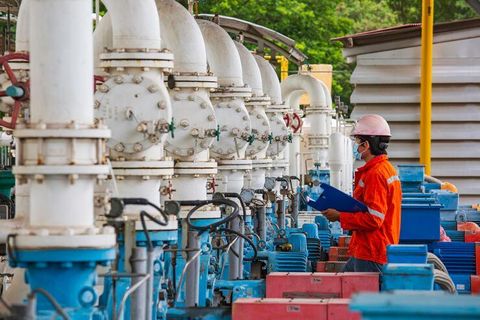
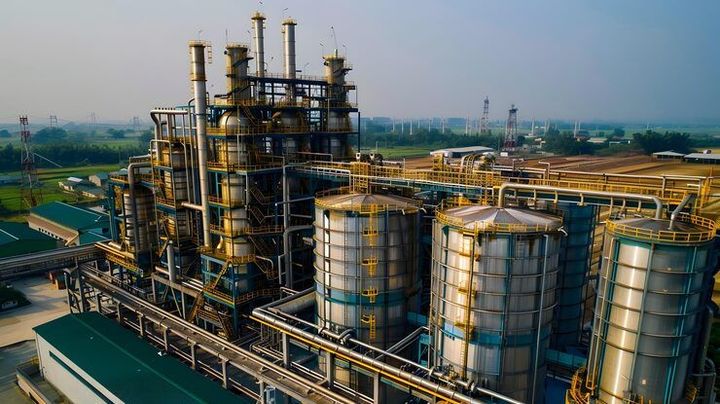
Modern oil processing machinery can include distillation columns, heat exchangers, pumps, compressors, separators, filtration systems, storage tanks, control valves, sensors, and process control systems. Each machine has a specific role, while the complete arrangement depends on the type of crude oil, desired products, refinery configuration, and required operating conditions.
The main purpose of an oil refinery is to separate crude oil into useful fractions and transform selected fractions into materials with required characteristics. A typical process begins with crude oil preparation and separation. Additional processing can then change the composition of certain streams so they can be used in fuels, lubricants, petrochemical feedstocks, and other industrial applications.
How Oil Processing Developed
Early oil processing relied heavily on basic heating and condensation. As demand for refined petroleum products increased, refineries introduced more sophisticated separation and conversion equipment.
Modern refining technology uses several connected stages. Atmospheric distillation separates crude oil according to boiling characteristics, while vacuum distillation handles heavier fractions under reduced pressure. Other units may use catalytic processes, hydrogen treatment, thermal conversion, or solvent-based separation.
Main Types of Oil Processing Machinery
Oil processing machinery can be grouped according to its function:
- Distillation equipment separates crude oil into fractions with different boiling ranges.
- Heat exchangers transfer heat between process streams to improve thermal efficiency.
- Pumps move crude oil, intermediate streams, and finished products through pipelines and processing units.
- Compressors increase gas pressure for processing, circulation, or recovery.
- Separators remove gas, water, and other phases from petroleum streams.
- Filters and treatment equipment remove suspended particles and selected contaminants.
- Reactors provide controlled conditions for chemical or catalytic conversion.
- Storage tanks hold crude oil, intermediate materials, and refined products.
- Sensors and control systems measure pressure, temperature, flow, composition, and other operating conditions.
Importance
Oil processing machinery matters because petroleum refining supports numerous transportation, manufacturing, energy, and chemical applications. The machinery determines how efficiently crude oil can move through different processing stages while maintaining controlled operating conditions.
Refineries also need to handle variations in crude oil characteristics. Crude oil can differ in density, sulfur content, viscosity, water content, and the proportions of lighter and heavier fractions. Processing equipment therefore needs to be selected and configured according to the physical and chemical properties of the feedstock.
Problems Addressed by Modern Equipment
Modern equipment helps address several practical challenges:
- Controlled separation of crude oil into useful fractions.
- Management of high temperatures and pressures.
- Reduction of contaminants in selected petroleum streams.
- Continuous measurement of important process conditions.
- Recovery and reuse of heat from process streams.
- Handling of gases and vapors within controlled systems.
- Reduction of unplanned equipment interruptions through monitoring.
- Improved control of emissions and wastewater treatment processes.
Automation has also changed refinery operations. Distributed control systems, programmable controllers, digital sensors, and analytical instruments can collect process information continuously. Operators can use this information to monitor equipment conditions and adjust process parameters.
Typical Refinery Process Flow
A simplified refining sequence can be represented as follows:
| Processing Stage | Main Equipment | Primary Function |
|---|---|---|
| Crude preparation | Desalter, heater, pumps | Remove selected impurities and prepare feed |
| Atmospheric distillation | Furnace, column, condenser | Separate crude into major fractions |
| Vacuum distillation | Vacuum column, heaters, condensers | Process heavier fractions |
| Conversion | Reactors, catalysts, heaters | Change molecular structures |
| Treatment | Hydrogenation units, separators | Reduce selected contaminants |
| Fractionation | Columns, reboilers, condensers | Further separate process streams |
| Storage | Tanks, pumps, monitoring systems | Hold and transfer materials |
| Control | Sensors, valves, control systems | Monitor and regulate operation |
The table represents a simplified arrangement. Actual refinery configurations vary considerably according to feedstock, product requirements, processing capacity, and environmental controls.
Recent Updates
From 2024 through 2026, oil processing machinery has increasingly incorporated digital monitoring, energy-efficiency measures, advanced process control, and equipment condition analysis. The broader trend is toward systems that can collect more operating information while reducing unnecessary energy use and improving process visibility.
Digital Monitoring and Automation
Industrial sensors are becoming more closely integrated with refinery control systems. Temperature, pressure, vibration, flow, and composition measurements can be collected at multiple points across processing equipment.
Digital monitoring can help identify unusual operating patterns. For example, changes in pump vibration or heat-exchanger performance may indicate developing equipment conditions that require inspection.
Energy Management
Heat management remains an important part of refining. Heat exchangers can transfer energy between hot and cold process streams, reducing the need for additional heating in some stages.
Refineries are also examining furnace efficiency, steam systems, process integration, and heat recovery. These developments are connected with wider efforts to reduce energy intensity and improve operational control.
Advanced Process Control
Advanced process control systems use mathematical models and real-time measurements to maintain process variables within defined operating ranges. These systems can work alongside conventional control systems and help coordinate complex refinery units.
Artificial intelligence and machine learning are also being explored for equipment monitoring, process analysis, anomaly detection, and predictive maintenance. Their use depends on data quality, system integration, cybersecurity, and appropriate human oversight.
Environmental Monitoring
Environmental controls have become an increasingly important part of refinery design and operation. Monitoring systems can track selected air emissions, wastewater characteristics, and other environmental parameters.
Equipment such as vapor recovery systems, wastewater treatment units, sulfur recovery systems, and emissions monitoring instruments can form part of broader refinery environmental management.
Laws or Policies
Oil processing facilities operate under multiple layers of rules covering industrial safety, environmental protection, emissions, wastewater, hazardous materials, equipment integrity, and worker protection. The exact requirements vary by jurisdiction and by the type and scale of the facility.
Environmental Requirements
Environmental policies may establish limits or monitoring requirements for air emissions, wastewater discharge, waste handling, and accidental releases. Refineries may therefore use dedicated monitoring instruments and treatment equipment to demonstrate compliance with applicable requirements.
Common regulatory areas include:
- Air pollutant monitoring and control.
- Wastewater treatment and discharge management.
- Hazardous material handling.
- Storage tank requirements.
- Industrial waste management.
- Emergency preparedness and spill control.
- Environmental reporting and recordkeeping.
Industrial Safety Requirements
Pressure vessels, boilers, pipelines, storage tanks, electrical systems, and rotating machinery may be subject to technical standards or inspection requirements. Facilities commonly use procedures for equipment inspection, pressure testing, maintenance planning, and emergency response.
International standards and national regulations can also influence the design of pumps, valves, pressure equipment, instrumentation, electrical installations, and process control systems.
Because requirements differ between jurisdictions, refinery operators must follow the rules applicable to their specific location, facility type, and processing activities.
Tools and Resources
Several technical tools help engineers, operators, students, and researchers understand oil processing machinery and refinery operations.
Process Simulation Software
Process simulation platforms can model distillation, heat transfer, material balances, energy balances, and selected chemical processes. They are commonly used for engineering analysis, process design studies, and operating scenarios.
Equipment Calculators
Engineering calculators can help estimate flow rates, pressure drops, heat-transfer requirements, pump performance, and other process parameters. Results depend on accurate input data and appropriate engineering assumptions.
Technical Standards Databases
Standards databases provide information about equipment design, inspection, materials, safety practices, and testing methods. Relevant standards can vary according to equipment type and jurisdiction.
Monitoring Platforms
Industrial monitoring platforms collect information from sensors and control systems. Dashboards can display temperature, pressure, flow, vibration, alarms, and equipment status in an organized format.
Learning Resources
Technical textbooks, engineering handbooks, university materials, industry publications, equipment manuals, and refinery process diagrams can help readers understand concepts such as atmospheric distillation, vacuum distillation, catalytic processing, heat exchange, separation, and process control.
FAQs
What is oil processing machinery?
Oil processing machinery is a group of industrial machines and systems used to separate, treat, transfer, convert, monitor, and store crude oil and petroleum streams. Examples include distillation columns, pumps, heat exchangers, separators, compressors, reactors, tanks, and control systems.
How does oil processing machinery work in a refinery?
Oil processing machinery works as a connected sequence of processing units. Crude oil is prepared and heated, separated into fractions through distillation, and then selected streams may undergo additional conversion and treatment before being stored or transferred.
What is the role of oil refining technology?
Oil refining technology provides methods for separating crude oil and modifying selected fractions to produce materials with defined characteristics. It combines thermal processing, separation, chemical treatment, catalysts, instrumentation, and process control.
Which machines are commonly used in an oil refinery?
Common equipment includes crude oil pumps, furnaces, atmospheric distillation columns, vacuum distillation columns, heat exchangers, compressors, separators, reactors, storage tanks, valves, filters, sensors, and control systems.
How is modern oil processing becoming more digital?
Modern oil processing increasingly uses connected sensors, automated control systems, equipment monitoring, data analysis, and advanced process control. These technologies provide more continuous information about operating conditions and equipment performance.
Conclusion
Oil processing machinery combines mechanical equipment, thermal systems, separation technologies, chemical processing units, and digital controls. Modern refining technology is increasingly focused on process monitoring, energy management, environmental controls, automation, and equipment condition analysis. Regulatory requirements also influence refinery design, operation, inspection, and environmental management. Understanding these systems provides a useful foundation for learning how crude oil moves through modern refining processes.