Explore Silver Jewellery: Types, Designs, Styling Ideas and Care Tips
Silver jewellery has been part of human adornment for centuries, appearing in traditional ornaments, ceremonial pieces, everyday accessories, and contemporary fashion. Its bright metallic appearance, workable nature, and ability to complement different clothing styles have made silver a familiar material across many cultures. Today, silver jewellery includes everything from simple rings and delicate chains to detailed earrings, bracelets, pendants, and traditional designs.
Understanding silver jewellery involves more than knowing its appearance. The type of silver, jewellery design, finish, construction, styling approach, and care routine can all affect how a piece looks and performs over time. Learning these basics can help readers understand the differences between jewellery styles and make informed choices about wearing, storing, and maintaining silver pieces.
Understanding Silver Jewellery
What is silver jewellery?
Silver jewellery is made using silver as the primary metal, often combined with other metals to create a material suitable for everyday jewellery construction. Pure silver is relatively soft, so jewellery commonly uses silver alloys that provide greater strength and durability.
One widely recognized form is sterling silver, which contains a high proportion of silver along with a small amount of another metal, commonly copper. Other silver materials may have different compositions, finishes, or manufacturing methods, so markings and product descriptions should be checked when determining the material.
Silver jewellery can be produced through traditional craftsmanship, casting, forming, engraving, stamping, or modern manufacturing techniques. These methods create differences in texture, shape, weight, and decorative detail.
Common types of silver jewellery
Silver jewellery comes in many forms, with each type serving a different styling or functional purpose.
- Silver rings can range from narrow bands and stacking rings to statement designs with engraved or textured surfaces.
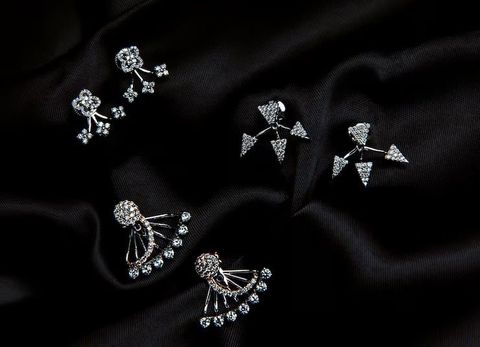
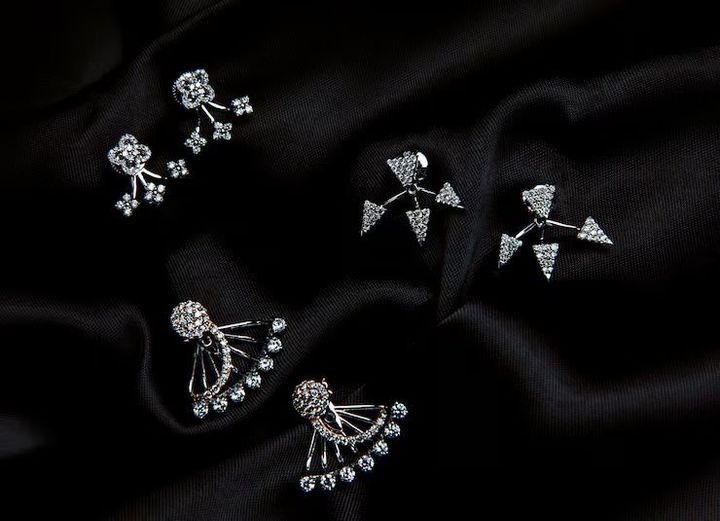
- Silver earrings include studs, hoops, drops, chandeliers, and other shapes designed for different occasions.
- Silver necklaces may feature chains, pendants, beads, charms, or layered structures.
- Silver bracelets include cuffs, bangles, chains, and linked designs.
- Silver anklets are commonly associated with traditional jewellery and can also appear in contemporary designs.
- Silver pendants can feature geometric shapes, symbols, gemstones, initials, or decorative motifs.
The choice between these forms often depends on personal style, clothing, occasion, and comfort.
Why Silver Jewellery Remains Important
Silver jewellery continues to have cultural, personal, and fashion relevance. It can appear in traditional celebrations, family occasions, religious customs, professional settings, and everyday outfits. Its neutral metallic appearance can also work with a wide range of colours and clothing patterns.
Cultural and traditional relevance
Silver ornaments have long been associated with cultural traditions in different parts of the world. Designs can represent regional craftsmanship, family customs, celebrations, or symbolic meanings.
Traditional silver jewellery may feature detailed patterns, floral motifs, geometric shapes, bells, beads, or engraved elements. The meaning of these designs can vary considerably between communities, so jewellery should be understood within its cultural context rather than assigned a universal meaning.
Everyday styling and personal expression
Silver jewellery can also function as an everyday accessory. A simple chain or small earrings can provide a subtle metallic detail, while larger pieces can become a more noticeable part of an outfit.
Some people combine several silver pieces to create a coordinated appearance. Others prefer a single piece that complements clothing without becoming the central visual element.
Understanding silver quality
The appearance of silver jewellery does not always indicate its composition. Markings, descriptions, and documentation can provide more useful information.
| Silver jewellery detail | What it indicates | What to check |
|---|---|---|
| Silver purity marking | Indicates the metal composition | Look for an appropriate purity mark |
| Sterling silver | A commonly used silver alloy | Check the stated composition |
| Silver plating | A silver layer over another material | Check the base metal information |
| Rhodium finish | A surface treatment that can alter appearance | Check whether the finish is present |
| Oxidized finish | A deliberately darkened surface effect | Check care instructions |
| Gemstone setting | Decorative stones combined with silver | Check stone type and setting method |
| Handcrafted design | Jewellery shaped or decorated by artisans | Examine construction and finishing |
These distinctions matter because different materials and finishes may require different care routines.
Silver Jewellery Types and Design Styles
Minimalist silver designs
Minimalist silver jewellery usually emphasizes simple shapes, clean lines, and limited decoration. Thin rings, small hoops, narrow bracelets, and fine chains are common examples.
These designs can work with casual and formal clothing because they generally create a subtle visual effect. Layering several simple pieces can also create additional texture without relying on large decorative elements.
Traditional silver designs
Traditional silver jewellery often incorporates detailed craftsmanship and recognizable cultural motifs. Patterns may include flowers, leaves, geometric forms, animals, religious symbols, or regional decorative elements.
The construction can involve engraving, embossing, filigree, beadwork, or textured surfaces. Because intricate designs can collect dust and residue more easily, they may require careful cleaning.
Contemporary and geometric designs
Modern silver jewellery frequently uses circles, rectangles, abstract shapes, asymmetrical forms, and smooth surfaces. These designs can provide a more structured appearance and may suit modern clothing styles.
Geometric jewellery can also be combined with other metals or materials. The overall appearance depends on the proportions, surface finish, and relationship between the different elements.
Gemstone silver jewellery
Silver can be combined with gemstones to create additional colour and texture. Different stones have different levels of hardness and sensitivity, so care requirements can vary.
When cleaning gemstone silver jewellery, it is important to consider both the silver and the stone. A cleaning method suitable for plain silver may not be appropriate for every gemstone or setting.
Styling Ideas for Silver Jewellery
Matching silver with everyday clothing
Silver jewellery can complement casual clothing such as shirts, trousers, dresses, skirts, and denim. Smaller pieces can create a restrained appearance, while layered chains or multiple bracelets can introduce additional detail.
For patterned clothing, simpler jewellery may prevent the overall appearance from becoming visually crowded. With plain clothing, a textured pendant, larger earrings, or a distinctive bracelet can add contrast.
Layering silver pieces
Layering involves wearing multiple pieces together, such as several necklaces of different lengths or multiple rings on one hand. The pieces can share a similar finish or use different textures for contrast.
A practical approach is to vary size and spacing. Several pieces with identical proportions can appear crowded, while differences in length, thickness, or shape can create clearer visual separation.
Styling silver for formal occasions
For formal clothing, silver jewellery can be coordinated with the neckline, fabric, and overall shape of an outfit. A pendant can follow the neckline, while earrings can complement the hairstyle and face-framing area.
Accessories do not necessarily need to match exactly. Similar metallic tones can create coordination while allowing individual pieces to retain their own character.
Caring for Silver Jewellery
Silver can develop tarnish over time. Tarnish is generally associated with chemical reactions between the silver surface and substances in the surrounding environment, including compounds present in air.
Regular care can help maintain the appearance of silver jewellery.
Everyday care practices
Consider the following habits:
- Keep jewellery away from perfumes, cosmetics, lotions, and household chemicals.
- Remove jewellery before swimming or bathing when appropriate.
- Wipe pieces gently with a soft jewellery cloth after wearing them.
- Store individual pieces separately to reduce scratches and tangling.
- Keep jewellery in a dry environment away from excessive humidity.
- Follow specific care instructions for pieces containing gemstones or special finishes.
These practices are particularly useful for jewellery with polished surfaces or delicate decorative elements.
Cleaning silver jewellery
Plain silver jewellery can often be cleaned with an appropriate soft cloth. More intensive cleaning methods should be selected carefully because abrasive materials can scratch surfaces or alter decorative finishes.
Jewellery with gemstones, coatings, glued components, oxidized details, or intricate settings may require different treatment. If the material composition is uncertain, checking the manufacturer's care information or consulting a qualified jewellery professional can help prevent accidental damage.
Preventing tarnish
Storage plays an important role in limiting exposure to moisture and air. Individual pouches or compartments can help keep jewellery separated and reduce contact with other objects.
Silver should also be kept away from substances that may accelerate surface changes. After wearing a piece, gently wiping away perspiration or residue before storage can be a useful routine.
Recent Trends in Silver Jewellery
Silver jewellery trends from 2024 through 2026 have included a mixture of minimalist designs, layered accessories, sculptural forms, vintage-inspired details, and personalized jewellery.
Mixing traditional and modern designs
Contemporary jewellery increasingly combines traditional motifs with simpler shapes. This creates pieces that reference established craftsmanship while fitting modern clothing styles.
Textured surfaces, engraved details, geometric forms, and handcrafted-looking finishes have appeared across different jewellery categories.
Personalization and layering
Initials, symbols, birth-related motifs, meaningful shapes, and customized details remain relevant in jewellery design. Layering also continues to influence how necklaces, rings, and bracelets are worn.
The focus is often on combining several individual pieces rather than relying on one fixed jewellery arrangement.
Greater attention to material information
Consumers are also paying more attention to metal composition, purity markings, plating, finishes, and care requirements. Clear material information can help people distinguish solid silver alloys from plated materials and understand how a particular piece should be maintained.
Laws, Standards, and Jewellery Policies
Silver jewellery is affected by consumer protection rules, hallmarking systems, metal purity standards, and product-labelling requirements. These regulations vary between countries, so the specific requirements depend on where jewellery is manufactured, sold, or purchased.
Purity and hallmarking
In countries with formal hallmarking systems, jewellery may carry marks that provide information about metal purity or the organization responsible for testing or certification. Hallmarking requirements can differ depending on the jurisdiction and type of jewellery.
A purity mark should not be interpreted without understanding the marking system used in the relevant country. Official standards authorities can provide current information about applicable requirements.
Product information
Jewellery descriptions may include information about metal composition, plating, gemstones, dimensions, and other characteristics. Accurate descriptions are important because consumers need to understand what materials are actually present.
Rules concerning declarations, weights, purity, and hallmarking can change. Readers should refer to the relevant national standards or consumer-protection authority for current requirements.
Tools and Resources for Silver Jewellery
Several simple resources can help people understand, organize, and maintain silver jewellery.
Jewellery care charts
A jewellery care chart can record the type of metal, finish, gemstones, cleaning method, and storage instructions for individual pieces. This can be useful for collections containing different materials.
Purity and measurement references
Silver purity references can help explain markings used on jewellery. Measurement charts can also help readers understand ring sizes, chain lengths, bracelet dimensions, and other common jewellery specifications.
Jewellery storage organizers
Separate compartments, soft pouches, jewellery boxes, and anti-tarnish storage materials can help reduce scratching, tangling, and exposure to environmental conditions.
Maintenance checklist
A simple checklist may include:
- Inspect clasps and fasteners periodically.
- Check stones and settings for movement.
- Wipe jewellery after wearing.
- Store pieces separately.
- Review care instructions for special finishes.
- Keep documentation related to metal composition and gemstones.
FAQs
What are the main types of silver jewellery?
Common types include silver rings, earrings, necklaces, bracelets, anklets, bangles, chains, and pendants. They can range from minimalist and geometric designs to traditional and gemstone-decorated pieces.
How should silver jewellery be cleaned?
Plain silver can generally be wiped with a soft jewellery cloth. Jewellery containing gemstones, special coatings, or oxidized finishes may require different cleaning methods, so its specific care instructions should be checked first.
Why does silver jewellery turn dark?
Silver can tarnish when its surface reacts with substances in the surrounding environment. Humidity, air pollutants, perspiration, cosmetics, and certain chemicals can contribute to surface discoloration.
How can silver jewellery be styled with other accessories?
Silver jewellery can be layered with pieces of different lengths, shapes, or textures. It can also be coordinated with clothing, watches, bags, and other accessories without requiring every item to have an identical design.
What should be checked when identifying silver jewellery?
Relevant details can include purity markings, metal composition, plating information, surface finish, gemstone details, dimensions, and manufacturer documentation. Local hallmarking or jewellery standards may also provide additional information.
Conclusion
Silver jewellery includes a wide range of rings, earrings, necklaces, bracelets, anklets, and pendants shaped by traditional craftsmanship and contemporary design. Understanding silver composition, design styles, styling techniques, and care requirements helps explain why different pieces can look and behave differently. Tarnish prevention, suitable storage, gentle cleaning, and attention to material information are important parts of jewellery maintenance. Regulations and hallmarking practices vary by country, so official standards can provide the most relevant information about metal identification and jewellery requirements.