Luxury Jewellery Guide: Popular Designs, Gemstone Choices, Options and Care Tips
Luxury jewellery combines precious metals, gemstones, craftsmanship, and design to create pieces that can have cultural, personal, decorative, or heritage significance. A luxury jewellery guide can help readers understand popular designs, gemstone choices, metal options, and everyday care without relying only on appearance. From diamond rings and gemstone necklaces to gold bracelets and statement earrings, different pieces have different characteristics that influence their appearance, durability, maintenance, and suitability for particular occasions.
The idea of luxury jewellery has developed across many cultures and historical periods. Gold, silver, diamonds, pearls, rubies, emeralds, and sapphires have been used in jewellery for centuries, while modern techniques have introduced new cuts, settings, finishes, and design combinations. Today, jewellery choices range from traditional pieces inspired by historical styles to contemporary designs with simpler shapes and mixed materials.
Understanding Luxury Jewellery
What makes jewellery luxurious?
Luxury jewellery is generally associated with the use of precious metals, gemstones, detailed craftsmanship, distinctive design, and careful finishing. However, there is no single feature that determines whether a piece belongs to this category.
The materials used can include gold, platinum, and other precious metals. Gemstones may include diamonds, sapphires, rubies, emeralds, pearls, and a wide range of other natural or laboratory-created stones.
Design also plays an important role. Some pieces emphasize a large central gemstone, while others use several smaller stones arranged around a particular pattern. Handmade details, complex settings, engraving, and unusual proportions can also influence the character of a piece.
Popular jewellery categories
Luxury jewellery is available in many forms, each designed for different uses and styling preferences.
Common categories include:
- Rings for everyday wear, formal occasions, or personal symbolism
- Necklaces ranging from delicate chains to elaborate statement pieces
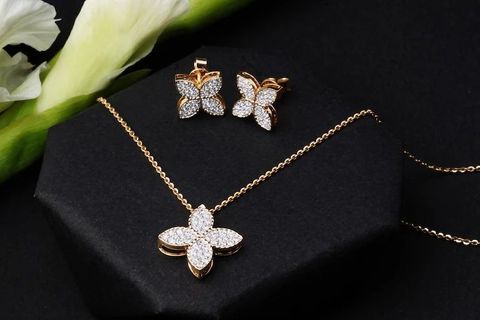
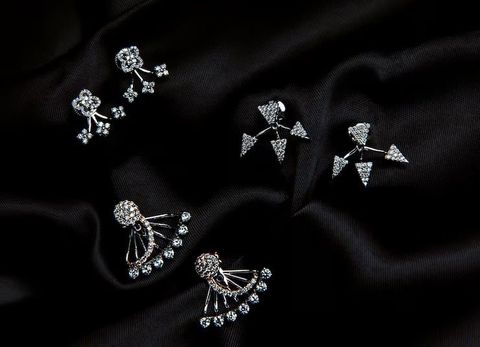
- Earrings including studs, hoops, drops, and chandelier-inspired designs
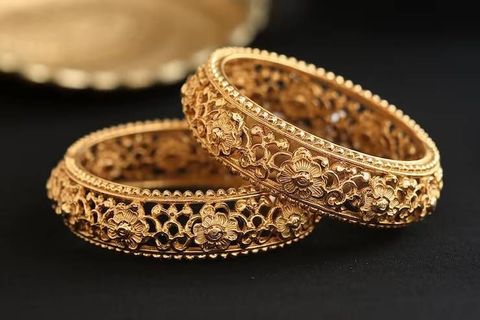
- Bracelets using chains, gemstones, metal patterns, or combinations of materials
- Brooches and pins that can add decorative detail to clothing
- Pendants featuring individual gemstones or symbolic designs
- Watches combined with precious metals and decorative stones
The appropriate category depends on personal style, comfort, occasion, and how frequently the jewellery will be worn.
Popular Luxury Jewellery Designs
Jewellery design changes over time, but several design approaches remain widely recognized.
Classic designs
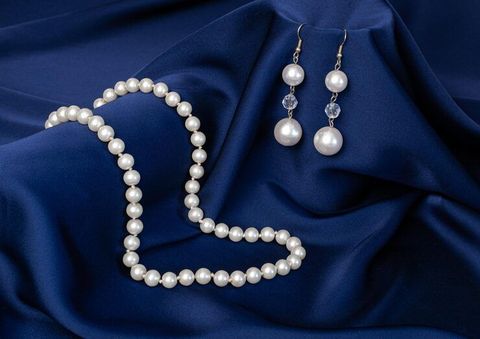
Classic jewellery commonly uses balanced shapes, traditional gemstone cuts, and familiar settings. Solitaire rings, pearl necklaces, diamond studs, tennis-style bracelets, and simple gold chains are examples of designs that have remained recognizable across different periods.
These designs often emphasize proportion and simplicity rather than complex visual elements. Their appearance can also depend heavily on the metal finish and gemstone arrangement.
Contemporary designs
Contemporary jewellery may use asymmetrical shapes, geometric forms, mixed metals, unusual gemstone combinations, or minimalist structures. Some designs intentionally leave more open space around gemstones, creating a lighter visual appearance.
Modern jewellery can also combine polished and textured surfaces. Brushed, hammered, matte, satin, and high-polish finishes can produce noticeably different effects even when the same metal is used.
Statement jewellery
Statement pieces are designed to attract visual attention through size, color, shape, or an unusual arrangement of materials. Large earrings, layered necklaces, broad cuffs, and gemstone cocktail rings are examples.
Because statement jewellery can be heavier or more elaborate, comfort and practical use are important considerations. A design that looks appropriate for an evening event may not be convenient for extended everyday wear.
Choosing Gemstones for Jewellery
Gemstones contribute color, brilliance, transparency, symbolism, and character to jewellery. Their physical properties also influence how they should be handled and maintained.
Diamonds and colored gemstones
Diamonds are commonly associated with high brilliance because of their optical properties and cutting techniques. Colored gemstones provide a wider range of visual possibilities, including blue sapphires, red rubies, green emeralds, and many other naturally occurring colors.
A gemstone should not be judged only by color. Factors such as clarity, cut, transparency, treatment, origin information where available, and durability can also be relevant.
Understanding gemstone durability
Different gemstones respond differently to scratches, impacts, heat, chemicals, and sudden temperature changes. Hardness is one useful measurement, but hardness alone does not describe every aspect of gemstone durability.
| Gemstone | Common appearance | General care consideration |
|---|---|---|
| Diamond | Clear or varied colors | Protect from strong impacts and inspect settings |
| Sapphire | Often blue, also other colors | Generally durable but still requires careful handling |
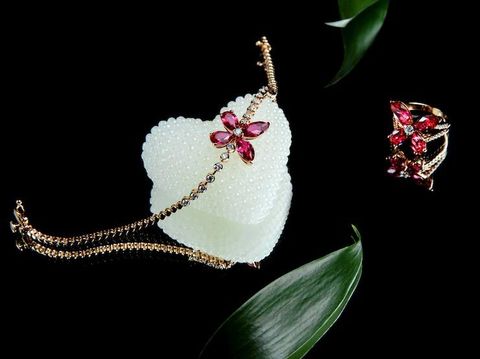
| Ruby | Red to pinkish-red | Protect from impacts and harsh chemicals |
| Emerald | Green | May require greater care because of inclusions and treatments |
| Pearl | White, cream, pink, or other tones | Keep away from chemicals, cosmetics, and abrasion |
| Opal | Multicolored play-of-color | Protect from impact, heat, and rapid temperature changes |
These descriptions are general. Individual stones can vary according to their composition, treatments, inclusions, and construction.
Natural, treated, and laboratory-created gemstones
Gemstones may be natural, treated, or laboratory-created. Treatments can improve or alter characteristics such as color, clarity, or durability.
Laboratory-created gemstones can have chemical and physical characteristics similar to corresponding natural gemstones while being produced through controlled processes. Clear disclosure of the gemstone type and any known treatments helps consumers understand what they are examining.
Selecting Metals and Jewellery Options
The metal surrounding a gemstone affects appearance, weight, durability, and maintenance requirements.
Gold
Gold is available in different purity levels and colors. Yellow gold retains a traditional warm appearance, while white gold has a lighter appearance and rose gold contains a greater proportion of copper that creates its pinkish tone.
Higher-purity gold is generally softer than gold alloys containing greater proportions of other metals. The appropriate choice therefore depends partly on how a piece will be worn.
Platinum
Platinum is a dense precious metal commonly used in jewellery. Its naturally light appearance and physical characteristics make it suitable for certain rings and other pieces that require a substantial metal structure.
Platinum can develop surface marks through normal wear. These marks do not necessarily indicate structural damage, but professional inspection may be appropriate when a setting appears loose or damaged.
Mixed-metal designs
Contemporary jewellery sometimes combines yellow, white, and rose-colored metals within one piece. Mixed-metal designs can create contrast and allow jewellery to coordinate with different accessories.
When multiple metals are combined, each component may have different maintenance characteristics. The finish and construction should therefore be considered when cleaning or storing the piece.
Factors to Consider Before Choosing Jewellery
Selecting jewellery involves more than matching a gemstone with a metal. The intended use, comfort, construction, and maintenance requirements can influence long-term practicality.
Design and personal style
Design preferences vary considerably. Some people prefer small and understated pieces, while others prefer large gemstones or detailed settings.
Useful questions to consider include:
- Will the jewellery be worn regularly or occasionally?
- Does the design suit the intended occasion?
- Is the weight comfortable?
- Does the setting protect the gemstone adequately?
- Can the piece be maintained easily?
- Does the metal complement other jewellery already worn?
Craftsmanship and construction
The construction of a piece can influence its durability. Prongs, bezels, clasps, hinges, chains, and gemstone settings should be examined for secure construction.
For pieces containing multiple gemstones, consistent alignment and secure settings are also relevant. Small structural problems can become more noticeable with repeated use, particularly when jewellery is exposed to impact or friction.
Recent Luxury Jewellery Trends
Luxury jewellery has continued to change between 2024 and 2026, with design trends influenced by changing fashion preferences, digital shopping research, sustainability discussions, and interest in personalization.
Personalization and distinctive designs
Personalized jewellery remains an important design direction. Initials, engraved details, birthstones, symbolic shapes, and customized gemstone arrangements allow jewellery to carry personal meaning.
Another continuing trend is the use of distinctive shapes rather than relying entirely on traditional symmetrical designs. Sculptural forms, organic curves, and geometric structures can create a modern appearance.
Colored gemstones
Interest in colored gemstones continues to influence jewellery design. Sapphires, emeralds, rubies, and other stones provide alternatives to colorless gemstones and allow greater variation in styling.
Consumers are also increasingly interested in understanding gemstone origin, treatments, and material characteristics. Clear information can help distinguish between different types of stones.
Responsible sourcing awareness
Environmental and ethical considerations have become more visible in jewellery discussions. Questions about gemstone origins, mining practices, recycled metals, labor conditions, and supply-chain transparency can influence how jewellery is evaluated.
The availability and reliability of information can vary by material and region. Documentation from recognized gemological or industry bodies can provide additional information about particular stones.
Jewellery Laws, Standards, and Consumer Information
Jewellery is affected by different rules depending on the country where it is manufactured, marketed, imported, or purchased. These rules can address metal purity, product descriptions, gemstone disclosure, hallmarking, consumer protection, and trade practices.
Metal purity and hallmarking
Some countries operate hallmarking systems that indicate the purity of precious metals. A hallmark may provide information about metal fineness, the testing authority, or the responsible party, depending on the national system.
Readers should check the relevant national hallmarking or standards authority for current requirements because marking systems differ between jurisdictions.
Gemstone disclosure
Gemstone descriptions may distinguish between natural, laboratory-created, synthetic, imitation, and treated materials. Terminology can vary depending on the material and applicable regulations.
For jewellery containing valuable gemstones, documentation may provide information about identity, characteristics, treatments, or grading. Such documentation should be interpreted carefully because a grading report describes specific characteristics rather than guaranteeing future market value.
Jewellery Tools and Resources
Several tools can help readers understand and maintain jewellery.
Gemstone reference guides
Gemstone identification references can provide information about color, hardness, optical characteristics, common treatments, and care requirements. These references are useful for general education but cannot always replace professional gemological examination.
Jewellery size guides
Ring and bracelet sizing charts can help readers understand standard measurements. Finger size can change because of temperature, time of day, and other factors, so measurements should be treated as approximate unless professionally assessed.
Care and maintenance checklists
A simple jewellery checklist can include:
- Metal type and purity
- Gemstone type
- Known treatments
- Cleaning instructions
- Storage requirements
- Setting inspection dates
- Documentation location
Keeping these details together can make routine care easier.
Professional assessment
Specialist jewellers and gemological laboratories can examine gemstones, settings, and metal characteristics. Professional assessment may be useful when a piece contains unusual gemstones, intricate settings, or materials that require specialized handling.
Jewellery Care Tips
Proper care depends on the materials used. Jewellery should generally be protected from unnecessary impact, chemicals, excessive moisture, and rough surfaces.
For routine care, a soft cloth can remove surface oils and fingerprints from many pieces. However, gemstones with particular treatments or sensitivities may require different cleaning methods.
Jewellery should also be stored separately when possible. Individual compartments, soft pouches, or lined boxes can reduce scratching and prevent chains from becoming tangled.
Before exercising, swimming, gardening, or performing activities involving chemicals or heavy physical contact, jewellery may need to be removed depending on its materials and construction.
Regularly checking clasps, prongs, stones, and chains can help identify visible changes. A loose gemstone, damaged clasp, bent prong, or broken chain should be assessed by a qualified professional rather than repaired with household materials.
FAQs
What are popular luxury jewellery designs?
Popular luxury jewellery designs include solitaire rings, gemstone necklaces, diamond or gemstone earrings, bracelets, pendants, statement pieces, and mixed-metal designs. Preferences vary according to personal style and occasion.
How should I choose gemstones for luxury jewellery?
Gemstone selection can consider color, clarity, cut, durability, treatments, origin information, and intended use. Different gemstones have different care requirements, so physical characteristics are also relevant.
Which metals are commonly used in luxury jewellery?
Gold and platinum are widely used precious metals. Gold may appear in yellow, white, or rose tones, while platinum has a naturally light appearance. Mixed-metal designs are also common.
How should luxury jewellery be cared for?
Care depends on the metal and gemstone. Jewellery should generally be protected from harsh chemicals, unnecessary impacts, and abrasive surfaces. Appropriate cleaning and storage methods vary by material.
Are laboratory-created gemstones considered real gemstones?
Laboratory-created gemstones can have chemical and physical characteristics corresponding to naturally occurring gemstones, depending on the material. They are distinct from imitation materials and should be accurately identified and disclosed.
Conclusion
Luxury jewellery combines materials, craftsmanship, design, and cultural traditions in many different forms. Understanding gemstone characteristics, metal choices, construction, current design trends, and care requirements can provide useful context when evaluating jewellery. Natural, treated, and laboratory-created gemstones can have different characteristics and should be identified accurately. Regular care, suitable storage, and attention to jewellery construction can help preserve the physical condition of individual pieces.