Gold Jewellery Guide: How to Choose Purity, Design & Style That Lasts
Gold jewellery has been used for personal decoration, cultural expression, ceremonial purposes, and long-term possession for thousands of years. Gold is naturally resistant to corrosion and can be shaped into detailed forms, making it suitable for rings, necklaces, earrings, bracelets, pendants, and other jewellery pieces.
Context
Pure gold is relatively soft, so jewellery is commonly made from gold alloys that contain gold combined with other metals. The proportion of gold in an alloy is described through fineness or karat terminology. Understanding this distinction is an important part of a gold jewellery guide because purity affects colour, physical properties, and how a piece may perform during regular wear.
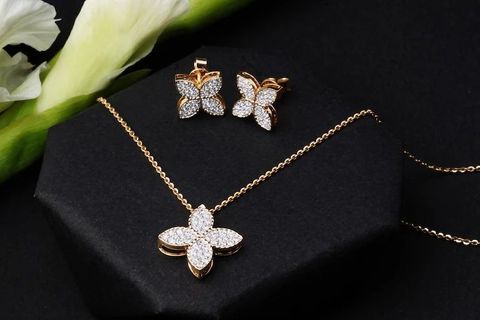
Gold jewellery can appear in several colours. Yellow gold retains a familiar warm appearance, while white and rose-toned gold result from different alloy compositions and finishing processes. The visual appearance therefore depends not only on the amount of gold but also on the metals incorporated into the alloy and any surface treatment.
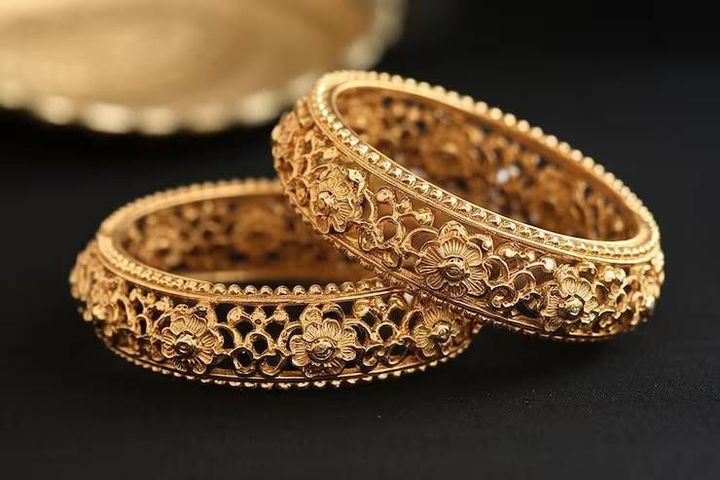
The design of a piece also affects its practical characteristics. A thin chain, a solid bracelet, a detailed ring, and a gemstone pendant may all require different approaches to construction, proportions, fastening systems, and surface finishing.
Understanding gold purity
Gold purity indicates how much of an alloy consists of gold. Karat markings commonly range from lower-karat alloys to high-purity gold, while fineness expresses gold content in parts per thousand.
For example, 24-karat gold represents very high gold content, while 18-karat gold contains 18 parts gold out of 24. The remaining portion consists of other metals used to modify physical characteristics.
| Karat designation | Approximate gold proportion | General characteristic |
|---|---|---|
| 24K | 99.9% or near this level | Very high gold content and relatively soft |
| 22K | 91.7% | High gold content with added alloy metals |
| 18K | 75.0% | High gold content with greater alloy contribution |
| 14K | 58.3% | More alloy metals and generally greater hardness |
| 10K | 41.7% | Lower gold proportion and higher alloy content |
Actual marking conventions can vary according to applicable standards, and jewellery should be assessed according to its stated fineness and relevant documentation.
Importance
Choosing gold jewellery involves more than selecting a colour or visual pattern. Purity, construction, dimensions, intended use, skin contact, maintenance requirements, and design complexity can all influence how a piece behaves during everyday use.
Understanding these factors can help readers distinguish between appearance and material characteristics. For example, a higher gold content does not automatically mean that a particular design is more suitable for frequent physical activity. Higher-purity gold is generally softer, while alloys with greater proportions of other metals can have different hardness and durability characteristics.
Why purity matters
Gold purity can influence several characteristics:
- Gold content: Higher karat generally indicates a greater proportion of gold.
- Hardness: Alloying can change the hardness and resistance of the material.
- Colour: Different alloy metals can alter the visible tone.
- Surface behaviour: Softer alloys can show marks more readily.
- Intended use: Jewellery designed for frequent wear may require different material characteristics from occasional-use pieces.
Purity should therefore be considered together with the design rather than treated as the only measure of quality.
Choosing a design for regular use
The intended wearing pattern can help determine suitable design characteristics. A simple ring with protected edges may behave differently from an intricate ring with exposed details or delicate settings.
For jewellery intended for frequent use, practical considerations include:
- Thickness of the main structure
- Strength of clasps and hinges
- Smoothness of edges
- Security of stone settings
- Amount of exposed decorative detail
- Ease of cleaning
- Compatibility with the user's normal activities
Designs containing very fine elements may require more attention during handling than simpler structures. This does not make one design universally preferable; it simply means that construction should correspond with how the jewellery is expected to be used.
Gold colour and alloy composition
Yellow, white, and rose gold are generally created by changing the alloy composition. White gold may also receive a surface coating to modify its appearance, while rose gold obtains its warmer tone from the metals incorporated into the alloy.
Colour terminology can be standardized. ISO 8654 specifies defined ranges and designations for colours of gold alloys and remains a reference for gold-alloy colour terminology.
Recent Updates
The period from 2024 through 2026 has brought continued attention to gold purity, testing methods, alloy specifications, coatings, and responsible sourcing. International standards have also continued to develop, providing more structured terminology and technical methods for the jewellery industry.
One notable development was the publication of ISO 18214:2024, which specifies an analytical method for determining high-purity gold and certain other precious metals using spark optical emission spectrometry. Such technical standards are relevant to laboratories and industry participants involved in material analysis.
Another significant development came with ISO 10713:2025, which addresses gold and gold-alloy coatings. It establishes specifications concerning characteristics such as coating mass, thickness, and fineness. This is relevant to jewellery and decorative products that use gold-alloy coatings rather than being made entirely from a gold alloy.
Updated fineness standards
ISO 9202:2026 provides recommendations concerning the fineness of precious-metal alloys used in jewellery. The standard also notes that marking and stamping requirements for finished jewellery can be determined by applicable national rules.
These developments show that gold jewellery standards are not limited to appearance. They also involve measurement, material composition, coatings, terminology, and methods for determining precious-metal content.
Changes in global jewellery demand
Global gold jewellery demand also experienced notable changes during 2025. World Gold Council data reported that jewellery consumption volume declined while the total value of jewellery demand increased, reflecting the effect of higher gold prices on the relationship between quantity and monetary value.
The same research identified continued interest in lighter-weight jewellery in some markets as elevated gold prices affected affordability. This does not mean that one particular design is universally preferred; rather, it illustrates how material prices can influence jewellery design and consumer preferences.
Responsible sourcing has also remained an important industry topic. International guidance continues to address traceability, responsible sourcing of recycled gold, and supply-chain transparency.
Laws or Policies
Gold jewellery is subject to different regulatory requirements depending on the jurisdiction in which it is manufactured, marked, imported, distributed, or sold. Because these rules vary, there is no single global legal requirement covering every jewellery item.
Common regulatory areas may include:
- Purity or fineness declarations
- Hallmarking or metal-content marking
- Product descriptions
- Weight declarations
- Consumer information
- Precious-metal testing
- Import and export documentation
- Restrictions on misleading material descriptions
- Requirements concerning coatings or plated products
International standards can provide technical frameworks, but they do not automatically replace local legal requirements. ISO 9202:2026 specifically recognizes that national requirements may apply to the designation, marking, and stamping of finished precious-metal articles.
For consumers, this means a karat number, fineness mark, hallmark, or other identification should be understood according to the applicable regulatory system. A marking can provide useful information about material composition, but the meaning and required format depend on the relevant rules.
Gold-plated, gold-coated, and solid gold-alloy jewellery should also be distinguished clearly because these products contain gold in different forms. ISO 10713:2025 establishes technical specifications for gold and gold-alloy coatings, including requirements relating to coating thickness and fineness.
Tools and Resources
Several tools and reference materials can help readers understand gold jewellery without relying solely on visual appearance.
Purity and fineness references
A karat-to-percentage reference table can help explain the relationship between karat terminology and approximate gold content. Fineness references are also useful because they express precious-metal content using parts per thousand.
For technical information, ISO publications provide standards covering subjects such as precious-metal fineness, gold coatings, gold analysis, and alloy terminology.
Jewellery measurement tools
Simple measurement tools can help with ring sizing and physical dimensions. A ruler or digital caliper can measure thickness and width, while a ring-sizing tool can help determine approximate internal dimensions.
Measurements should be treated as physical information rather than proof of gold purity. Material composition requires appropriate testing or documentation.
Jewellery care records
A basic jewellery record can contain:
- Item description
- Purity or fineness marking
- Approximate dimensions
- Gemstone details, where applicable
- Purchase documentation, where available
- Cleaning information
- Inspection notes
- Repair or alteration history
Keeping these details organized can make it easier to understand how a particular piece has been constructed and maintained over time.
Gold testing references
Professional analytical methods can determine precious-metal composition with greater precision than visual inspection. ISO standards describe several analytical approaches, including methods for high-purity gold and fire assay procedures.
FAQs
What gold purity is suitable for jewellery?
Suitability depends on the intended use, design, and desired material characteristics. Higher-purity gold contains a greater proportion of gold but is generally softer, while lower-karat alloys contain more additional metals that can alter hardness and other physical properties.
How do I choose gold jewellery design for everyday wear?
Consider the structure, thickness, fastening system, exposed details, and activities associated with regular use. Simpler construction can have fewer delicate components, while intricate designs may require more careful handling.
What is the difference between 18K and 24K gold jewellery?
24K represents very high gold content, while 18K contains 75% gold by mass. The additional alloy metals in 18K can change its hardness, colour, and other physical characteristics compared with higher-purity gold.
Does gold colour indicate purity?
Not necessarily. Yellow, white, and rose gold can be produced through different alloy compositions and finishing processes. Colour alone does not establish gold purity, so the applicable fineness marking or analytical documentation is more relevant.
How can gold jewellery be maintained?
Jewellery can generally be kept cleaner by avoiding unnecessary exposure to harsh chemicals, storing individual pieces separately to reduce scratching, and following care instructions appropriate to the specific alloy, coating, or gemstones. Different materials can have different care requirements.
Conclusion
Gold jewellery combines precious-metal composition, alloy characteristics, construction methods, and personal design preferences. Understanding karat and fineness helps explain the relationship between gold content and physical properties, while design features influence how a piece behaves during regular use. Developments in international standards during 2024–2026 have continued to address gold analysis, alloy fineness, coatings, and technical terminology. Jewellery selection and maintenance therefore involve several factors rather than purity or appearance alone.