Explore Solar Panels With Modern Renewable Energy Technology and Engineering Details
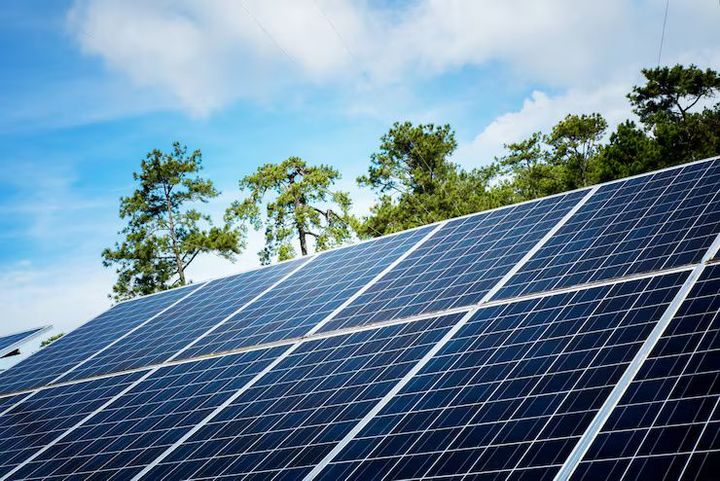
Solar panels are a major part of modern renewable energy technology, using sunlight to generate electricity for homes, businesses, industrial facilities, and large power projects. A solar panel contains photovoltaic cells that convert light into direct-current electricity, which can then be processed through an inverter for use in electrical systems.
Modern solar panels combine semiconductor materials, protective layers, electrical connections, mounting structures, and monitoring technologies. Understanding how these components work together helps explain why solar energy has become an important part of changing electricity systems and reducing dependence on conventional energy sources.
Context
What Are Solar Panels?
Solar panels are assemblies of photovoltaic cells designed to transform sunlight into electrical energy. When sunlight reaches a photovoltaic cell, photons interact with semiconductor material and create an electrical current. Multiple cells are connected together to create a solar module, while several modules can be combined into a larger solar array.
Solar panel technology has developed from relatively simple photovoltaic systems into highly engineered energy equipment. Modern systems may include high-efficiency photovoltaic cells, advanced inverters, battery storage, monitoring electronics, and automated controls.
The main components generally include:
- Photovoltaic cells for converting sunlight into electricity
- Glass or another protective surface layer
- Encapsulation materials that protect internal components
- A supporting frame
- Electrical conductors and connectors
- Junction boxes and protective electrical equipment
- Inverters for converting direct current into alternating current
- Mounting structures for positioning panels
How Solar Energy Technology Works
The electricity generation process begins when sunlight reaches the photovoltaic cells. The cells generate direct current, which is then transferred to an inverter. The inverter converts the electricity into alternating current that can be used by common electrical equipment.
A simplified solar power system can therefore be understood as:
Sunlight → Photovoltaic Cells → Direct Current → Inverter → Alternating Current → Electrical Loads
Some systems also include batteries. In that arrangement, electricity can be stored during periods of strong solar generation and used later, depending on the battery configuration and control system.
Types of Solar Panels
Solar panels can use different photovoltaic technologies. Monocrystalline and polycrystalline silicon have historically been widely used, while newer designs increasingly use advanced silicon architectures and other photovoltaic materials.
| Solar Panel Type | Main Material | Typical Characteristic | Common Application |
|---|---|---|---|
| Monocrystalline | Silicon | High power density | Rooftops and utility systems |
| Polycrystalline | Silicon | Established photovoltaic design | Rooftops and larger installations |
| Thin-film | Various semiconductor materials | Lightweight construction possibilities | Specialized installations |
| Advanced silicon | Improved silicon structures | Higher conversion potential | Modern photovoltaic systems |
The actual electrical performance depends on cell design, panel configuration, sunlight conditions, temperature, installation angle, and system components.
Importance
Why Solar Panels Matter
Solar panels matter because electricity demand continues to expand across residential, commercial, industrial, transportation, and digital infrastructure. Renewable energy technology provides another method for generating electricity without directly burning fossil fuels during operation.
Solar energy can also be deployed at different scales. A small rooftop system can generate electricity for a building, while large photovoltaic arrays can supply electricity to extensive grid-connected facilities.
The technology addresses several energy-system challenges:
- Diversifying electricity generation
- Increasing renewable electricity capacity
- Supporting distributed electricity generation
- Reducing direct combustion emissions during operation
- Providing electricity generation in locations with suitable sunlight
- Supporting hybrid systems that combine solar generation and battery storage
Who Uses Solar Panels?
Solar panels are used by a wide range of users and organizations. Residential users may install rooftop photovoltaic systems, while commercial buildings can use larger arrays across rooftops or available land.
Industrial facilities can integrate solar electricity with existing electrical infrastructure. Utility-scale photovoltaic projects use large numbers of panels connected through inverters, transformers, substations, and grid-control equipment.
Remote locations may also use solar panels as part of standalone electrical systems. These systems can combine photovoltaic generation with batteries and other power technologies.
Engineering Factors That Affect Performance
Solar panel performance depends on more than the rated power printed on a module. Engineers consider solar radiation, temperature, shading, orientation, tilt, wiring, inverter efficiency, and system losses.
Temperature is particularly important because photovoltaic module electrical characteristics change as cell temperature increases. Shading can also reduce output, especially when several cells or modules are electrically connected within the same circuit.
System designers therefore evaluate:
- Available sunlight
- Roof or land orientation
- Panel inclination
- Shading patterns
- Electrical load requirements
- Inverter capacity
- Battery requirements
- Cable and connection losses
- Structural loading
- Ventilation and operating temperature
Recent Updates
Improvements in Photovoltaic Technology
From 2024 through 2026, solar technology has continued moving toward higher-efficiency cell architectures, larger module formats, improved manufacturing processes, and more sophisticated power electronics.
Modern photovoltaic development includes technologies such as n-type silicon architectures, tunnel oxide passivated contact designs, heterojunction structures, and other cell configurations intended to improve electrical performance.
Module manufacturers have also increased the use of larger-format designs and improved interconnection methods. These changes can influence panel dimensions, electrical characteristics, installation planning, transportation requirements, and system design.
Growth of Solar and Storage Integration
Another important trend is the integration of solar panels with battery energy storage. Solar generation naturally changes throughout the day, while electricity demand can occur at different times.
Battery systems can therefore be integrated to shift some generated electricity to later periods. Advanced energy management systems can monitor generation, battery state, electrical loads, and grid conditions.
Digital monitoring is also becoming more common. Internet-connected inverters and energy-management platforms can provide information about photovoltaic production, equipment status, electrical conditions, and system performance.
Manufacturing and Supply Chain Developments
Solar manufacturing has also received greater policy attention. India, for example, maintains an Approved List of Models and Manufacturers framework for certain solar photovoltaic projects. The Ministry of New and Renewable Energy states that ALMM requirements apply to specified government, government-assisted, open-access, and net-metering projects. The framework has also expanded to include an approved list for solar photovoltaic cells.
These developments show how solar energy is increasingly connected with manufacturing standards, domestic production policies, technical qualification, and electricity-system planning.
Laws or Policies
Indian Solar Energy Framework
Solar panel deployment in India is influenced by national renewable energy programs, electricity regulations, technical requirements, and state-level policies. Different rules can apply depending on whether a photovoltaic system is residential, commercial, industrial, utility-scale, grid-connected, or off-grid.
The national rooftop solar framework has included financial assistance for eligible residential electricity consumers and incentives associated with electricity distribution companies. The Ministry of New and Renewable Energy states that the grid-connected rooftop solar program has a cumulative target of 40,000 MW and has been connected with the PM Surya Ghar Muft Bijli Yojana framework.
Rooftop Solar Programs
The PM Surya Ghar Muft Bijli Yojana includes provisions for residential rooftop photovoltaic systems. Operational guidelines and subsequent clarifications have been issued to explain eligibility, implementation, and central financial assistance arrangements.
Rules relating to grid connection, metering, technical approvals, and electricity distribution can vary between states and electricity distribution areas. Therefore, the applicable requirements depend on the location and type of photovoltaic installation.
Solar Manufacturing Requirements
The Approved List of Models and Manufacturers framework is another important part of the regulatory environment. Current MNRE information shows continuing revisions to approved module and cell lists during 2026. This reflects ongoing changes in technical qualification and domestic solar manufacturing requirements.
Large grid-connected photovoltaic projects can also be influenced by renewable purchase obligations, electricity regulations, competitive procurement frameworks, and grid-integration requirements. India maintains a policy framework covering solar renewable purchase obligations and renewable energy certificates.
Tools and Resources
Solar Energy Calculators
Solar calculators can estimate photovoltaic generation using factors such as system capacity, sunlight availability, orientation, tilt, and expected system losses. These calculators are useful for preliminary planning but do not replace detailed engineering analysis.
Solar Irradiance Data
Solar irradiance databases provide information about the amount of solar radiation available at different locations. Engineers use this information when estimating annual photovoltaic generation and comparing system configurations.
PV System Design Software
Photovoltaic design platforms can model panel layouts, shading, electrical connections, inverter configurations, and expected energy production. These tools are particularly useful for larger installations where many variables need to be evaluated together.
Monitoring Platforms
Modern inverter and energy-management platforms can display information such as:
- Current photovoltaic generation
- Daily and monthly energy production
- Inverter operating conditions
- Battery state of charge
- Historical performance
- System alerts
Monitoring data can help identify unusual changes in system operation and provide information for technical evaluation.
Solar Resource Templates
Spreadsheets and planning templates can be used to record panel capacity, module quantity, inverter specifications, estimated generation, electrical loads, and system assumptions. Keeping these parameters organized makes it easier to compare different system configurations.
FAQs
How do solar panels generate electricity?
Solar panels use photovoltaic cells to convert sunlight into direct-current electricity. An inverter generally converts this electricity into alternating current for use by electrical equipment or connection with a suitable grid system.
What are the main types of solar panels?
Common categories include monocrystalline, polycrystalline, thin-film, and newer advanced silicon technologies. Their construction, efficiency characteristics, physical dimensions, and appropriate applications can differ.
Are solar panels part of renewable energy technology?
Yes. Solar panels are a major renewable energy technology because they generate electricity from sunlight. They can be used in rooftop systems, commercial facilities, industrial installations, utility-scale projects, and standalone systems.
How does solar panel technology work with batteries?
Solar panels generate electricity when suitable sunlight is available. A battery can store some electrical energy through an appropriate power-management system, allowing stored energy to be used during later periods depending on system design.
What factors affect solar panel performance?
Sunlight availability, temperature, shading, panel orientation, tilt, electrical losses, inverter characteristics, and system design can all influence photovoltaic performance. Regular monitoring can provide useful information about changes in system operation.
Conclusion
Solar panels use photovoltaic technology to convert sunlight into electricity and can be deployed across residential, commercial, industrial, and utility-scale applications. Modern renewable energy technology is increasingly combining advanced photovoltaic cells, improved inverters, battery storage, digital monitoring, and more detailed system engineering. From 2024 through 2026, technological development and regulatory frameworks have continued to influence solar manufacturing, deployment, and grid integration. Understanding these components and policies provides a clearer foundation for evaluating how solar energy systems function.