Explore Vacuum Sealing Machines With Sealing Methods, Features, and Processing Insights
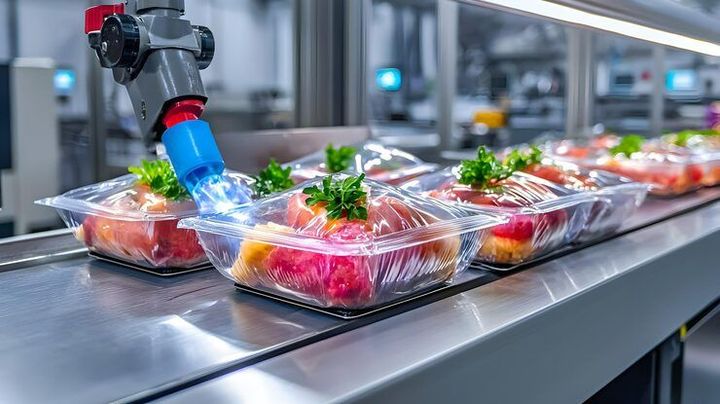
Vacuum sealing machines are packaging systems designed to remove air from a pouch or container before creating an airtight seal. The basic concept is simple: products are placed inside suitable packaging material, air is extracted, and the opening is sealed to create a controlled package.
Vacuum sealing machines are used across food processing, manufacturing, hospitality, laboratories, household storage, and several other applications where protection from air, moisture, dust, or contamination is important.
The development of vacuum packaging came from the need to protect products during storage and transportation. Conventional packaging can leave significant amounts of air around a product, while vacuum packaging reduces the air present inside the package. Modern equipment ranges from compact countertop units to industrial vacuum packaging machines capable of handling larger production volumes.
Context
What Vacuum Sealing Machines Do
A vacuum sealing machine combines air extraction with heat sealing or another compatible sealing method. The machine places the packaging under controlled conditions, removes a portion of the internal air, and closes the package through a sealed joint.
The process can help create a compact package while limiting exposure to oxygen and external environmental conditions. The exact result depends on the packaging material, vacuum level, product characteristics, sealing temperature, sealing pressure, and processing time.
Vacuum packaging is commonly associated with food, but its applications extend beyond food products. Components, textiles, electronic parts, laboratory materials, and other products can use controlled packaging when protection from moisture, dust, or atmospheric exposure is important.
Main Types of Vacuum Sealing Machines
Different machines are designed around different packaging requirements. External vacuum machines are commonly used with specially designed bags, while chamber machines place the entire package inside a chamber during air extraction.
Industrial vacuum packaging machines can include larger chambers, multiple sealing bars, automated controls, and continuous operating configurations. Smaller units generally have simpler controls and are intended for lower-volume applications.
Common Sealing Methods
The sealing method determines how the packaging opening is closed after air removal. Heat sealing is widely used because controlled heat can soften compatible thermoplastic packaging layers and create a sealed joint.
Other configurations may use double sealing, multiple sealing bars, impulse sealing, or continuous sealing arrangements. The appropriate method depends on the packaging material and the required package characteristics.
| Sealing Method | Typical Application | Main Consideration |
|---|---|---|
| Heat sealing | Flexible plastic packaging | Temperature control |
| Double sealing | Products needing additional seal redundancy | Seal spacing |
| Impulse sealing | Selected flexible films | Heat and pressure timing |
| Continuous sealing | Repeated packaging operations | Consistent feed rate |
| Chamber sealing | Vacuum packaging applications | Chamber size and vacuum control |
Packaging Materials
Vacuum packaging requires materials that can withstand air extraction and the selected sealing conditions. Common packaging structures include multilayer films designed for strength, barrier performance, and heat sealing.
Packaging selection should consider puncture resistance, thickness, flexibility, oxygen transmission, moisture resistance, and compatibility with the product. Sharp edges, liquids, powders, and irregular shapes can require different packaging approaches.
Importance
Why Vacuum Packaging Matters
Air exposure can influence the condition of many products. Oxygen can contribute to oxidation, while moisture and environmental exposure can affect appearance, texture, corrosion, or general product condition.
Vacuum sealing machines address some of these packaging challenges by reducing the amount of air within the package. However, vacuum packaging does not automatically make every product shelf-stable or eliminate the need for appropriate storage conditions.
Applications Across Different Industries
Vacuum packaging is used in several areas because the same basic process can be adapted to different products.
Food processing uses vacuum packaging for selected meat, seafood, cheese, vegetables, prepared foods, and other products.
Manufacturing uses sealed packaging for selected components and parts that require protection during storage.
Hospitality operations may use vacuum packaging for organized food preparation and storage.
Laboratory environments can use controlled packaging for suitable materials where reduced environmental exposure is useful.
Household applications include portions of food and selected non-food storage needs.
Processing Factors
The quality of a vacuum-sealed package depends on several connected factors. Removing too little air may reduce the intended packaging effect, while excessive vacuum can compress delicate products or draw liquid toward the sealing area.
Temperature also matters. Insufficient sealing heat may create a weak seal, while excessive heat can damage packaging material. Sealing pressure and dwell time need to match the packaging structure and equipment configuration.
Operators generally consider:
Product shape and texture
Packaging thickness
Required vacuum level
Sealing temperature
Sealing duration
Seal width
Moisture or liquid content
Package size
Storage environment
Advantages and Limitations
Vacuum sealing can reduce package volume and limit exposure to atmospheric conditions. It can also help organize products into compact packages and provide a visible sealed boundary.
There are limitations as well. Vacuum packaging can puncture when used with sharp products, and some products may require modified-atmosphere packaging or another packaging approach instead. Perishable foods still require appropriate temperature control and hygienic handling.
Recent Updates
Automation and Digital Controls
Recent developments in vacuum sealing machines have increasingly focused on automation, programmable settings, sensors, and digital control systems. These features can help operators maintain more consistent vacuum and sealing parameters across repeated packaging cycles.
Industrial systems may integrate programmable recipes, touchscreen interfaces, automatic lid operation, multiple sealing bars, and production monitoring functions. The exact features differ substantially between machine categories.
Energy and Material Considerations
Equipment development has also placed greater attention on efficient operation and packaging material usage. Manufacturers are examining heating systems, pump efficiency, cycle optimization, and machine configurations that can reduce unnecessary processing time or material consumption.
Packaging development is also moving toward structures designed to balance barrier properties, mechanical strength, seal performance, and material efficiency. The suitability of newer materials depends on product requirements and applicable packaging rules.
Hygienic Design
Food and other sensitive applications increasingly emphasize cleanable machine surfaces, controlled product contact areas, and equipment designs that reduce areas where residue can accumulate.
Stainless steel construction, removable components, accessible sealing areas, and simplified cleaning procedures are common considerations for equipment used in environments where hygiene is important.
Data and Process Monitoring
Digital monitoring is becoming more relevant in industrial packaging. Sensors can track vacuum conditions, sealing temperature, cycle parameters, and equipment status.
When connected to broader production systems, packaging equipment may contribute process information for quality records and operational analysis. These capabilities are particularly relevant where repeatability and traceability are important.
Laws or Policies
Packaging and Food Safety Requirements
Vacuum packaging machines can be affected by several categories of rules, depending on the product and country where the equipment is used. Food-contact packaging materials generally need to meet applicable safety requirements for their intended use.
Rules may address material composition, migration limits, labeling, hygiene, packaging claims, and handling conditions. Requirements differ between jurisdictions, so businesses generally need to identify the regulations applicable to their product and market.
Equipment Safety
Machinery used in commercial or industrial environments may also be subject to equipment safety requirements. These can cover electrical systems, moving components, thermal surfaces, emergency controls, guarding, and operating instructions.
A vacuum sealing machine used in a workplace may therefore need to satisfy both packaging-related requirements and general machinery or electrical safety requirements.
Food Handling Considerations
Vacuum packaging does not replace established food hygiene practices. Products requiring refrigeration or other controlled conditions must remain within appropriate storage parameters.
Businesses should also consider cleaning procedures, employee training, packaging material suitability, and recordkeeping where applicable. Local regulatory authorities and recognized food-safety frameworks can provide the applicable requirements for a specific operation.
Tools and Resources
Vacuum Level and Sealing Calculations
Packaging engineers and operators can use basic calculation tools to compare package dimensions, material thickness, vacuum levels, and cycle parameters. Equipment manuals often provide operating ranges for vacuum and sealing settings.
A simple process record can include product type, packaging material, vacuum setting, sealing temperature, sealing time, and inspection results. This information can help identify changes in package performance.
Packaging Material Specifications
Technical data sheets can provide information about film thickness, barrier properties, seal temperature ranges, tensile strength, puncture resistance, and intended applications.
Comparing these specifications with the machine's operating range helps determine whether a packaging material is technically compatible with the equipment.
Maintenance and Inspection Records
Routine inspection records can track sealing bars, gaskets, vacuum pumps, sensors, filters, electrical components, and other machine parts. A structured maintenance schedule can help identify gradual changes in machine performance.
Common inspection points include:
Seal appearance and continuity
Vacuum performance
Gasket condition
Pump operation
Heating element condition
Chamber cleanliness
Control accuracy
Packaging material compatibility
Packaging Standards and Technical Guidance
Industry associations, food-safety authorities, machinery regulators, packaging laboratories, and technical standards organizations can provide information about packaging materials, food-contact requirements, equipment safety, and testing methods.
These resources are useful when developing packaging processes because machine specifications alone do not determine whether a complete packaging system is suitable for a particular application.
FAQs
What is a vacuum sealing machine?
A vacuum sealing machine removes air from suitable packaging and then closes the package with a sealed joint. The equipment can be used with different packaging materials and product types depending on its design.
How do vacuum sealing machines work?
Vacuum sealing machines typically place a product inside a compatible pouch, remove air using a vacuum system, and seal the pouch opening. Chamber and external vacuum machines use different operating arrangements.
Which sealing methods are used in vacuum packaging?
Common sealing methods include heat sealing, double sealing, impulse sealing, and continuous sealing. The appropriate method depends on the packaging material, machine configuration, product characteristics, and required package performance.
What features should be considered in vacuum sealing machines?
Important features can include vacuum control, sealing temperature adjustment, programmable cycles, chamber dimensions, sealing-bar configuration, digital controls, pump capacity, and cleaning accessibility. The relevant features depend on the intended application.
Can vacuum packaging replace refrigeration?
No. Vacuum packaging does not automatically eliminate the need for refrigeration or other appropriate storage conditions. Perishable products must continue to follow suitable handling and temperature-control practices.
Conclusion
Vacuum sealing machines combine controlled air extraction with packaging seals to protect suitable products from environmental exposure and reduce package volume. Machine type, sealing method, packaging material, vacuum level, temperature, and processing time all influence the final package. Recent equipment development has emphasized automation, digital monitoring, hygienic design, and more efficient processing. Applicable packaging, food-safety, machinery, and material requirements should be considered according to the product and operating environment.

You May Also Like