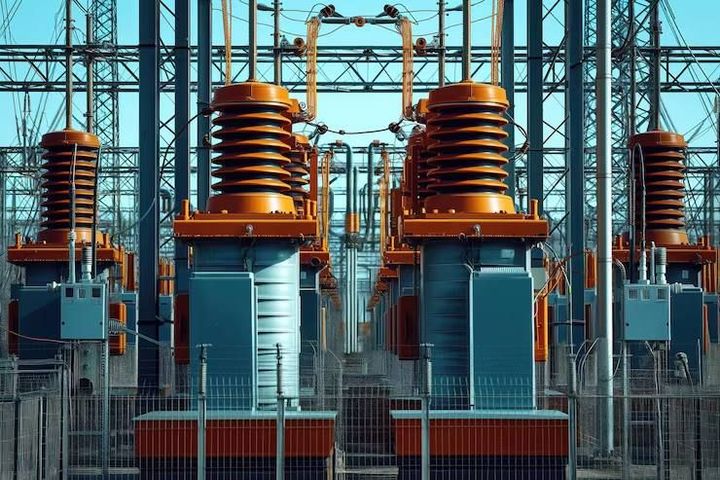
High-Voltage Switchgear Equipment Guide: Designs, Applications, Benefits and Selection Factors
A High-Voltage Switchgear Equipment Guide explains the designs, applications, benefits, and selection factors associated with electrical equipment used to control, protect, and isolate high-voltage power systems. Switchgear is an essential part of electricity generation, transmission, and distribution because it helps manage electrical circuits and limit the effects of faults.
Context
A High-Voltage Switchgear Equipment Guide explains the designs, applications, benefits, and selection factors associated with electrical equipment used to control, protect, and isolate high-voltage power systems. Switchgear is an essential part of electricity generation, transmission, and distribution because it helps manage electrical circuits and limit the effects of faults. Its development followed the expansion of electrical networks, industrial facilities, and large power stations that required reliable methods for controlling electrical energy.
High-voltage switchgear is commonly used in electrical substations, power plants, manufacturing facilities, renewable energy installations, and large commercial buildings. It contains switching devices and, depending on its design, protective relays, measurement instruments, control systems, and circuit breakers. These components work together to support the safe operation of electrical networks.
Understanding High-Voltage Switchgear
High-voltage switchgear is designed for electrical systems operating at voltages above 1,000 volts AC, although specific standards and equipment classifications may vary. Its main functions include switching circuits, interrupting fault currents, isolating equipment for maintenance, and supporting system protection.
The main components may include circuit breakers, disconnectors, earthing switches, current transformers, voltage transformers, and protective relays. Each component performs a different role, and the complete arrangement depends on the voltage level, installation environment, and electrical system requirements.
Main High-Voltage Switchgear Designs
High-voltage switchgear is available in several designs based on insulation methods, construction, and installation requirements.
Air-insulated switchgear (AIS): Uses air as the primary insulating medium between energized components. It generally requires more installation space and is commonly found in outdoor substations.
Gas-insulated switchgear (GIS): Uses an insulating gas or an alternative insulating medium within enclosed equipment. Its compact design can be useful where available space is limited.
Hybrid switchgear: Combines elements of air-insulated and gas-insulated arrangements within a coordinated assembly.
Vacuum circuit breakers: Use a vacuum interrupter to extinguish the electrical arc during switching. Their application depends on the equipment's rated voltage and design.
Outdoor switchgear: Is constructed for installation in exposed environments and must account for weather, pollution, and temperature conditions.
These categories describe different aspects of switchgear and are not always mutually exclusive. For example, a substation may use gas-insulated assemblies with vacuum circuit breakers in particular configurations, depending on the voltage class and equipment design.
Importance
High-voltage switchgear is important because electrical networks must handle normal operating conditions as well as unexpected faults. Short circuits, insulation failures, lightning-related disturbances, and equipment damage can create dangerous electrical conditions. Suitable switching and protection arrangements help disconnect affected sections and reduce the risk of damage spreading through a network.
The equipment also supports maintenance and operational flexibility. Authorized personnel can isolate selected components according to established safety procedures, allowing other parts of an electrical installation to continue operating where the system configuration permits.
Industrial and Energy Applications
High-voltage switchgear is used across several sectors:
Power generation: Connects generators, transformers, and transmission networks while supporting electrical protection.
Transmission substations: Controls high-voltage circuits that carry electricity between major network locations.
Renewable energy: Connects wind farms, solar power facilities, and associated transformers to electrical networks.
Heavy manufacturing: Supports power distribution for facilities with large motors, furnaces, and other high-demand equipment.
Data centers: Helps manage electrical distribution and switching arrangements for substantial computing infrastructure.
Mining and infrastructure: Supports electrical networks used in processing facilities, transport systems, and large infrastructure projects.
The required configuration depends on operating voltage, expected fault current, environmental conditions, load characteristics, and the consequences of an interruption. Equipment selection therefore involves both electrical calculations and an understanding of the facility's operating needs.
Benefits and Operational Considerations
High-voltage switchgear provides several practical functions, but its effectiveness depends on suitable design, installation, inspection, and operation.
Important benefits include:
Fault isolation: Circuit breakers can interrupt specified fault currents when operating within their rated limits.
Equipment protection: Coordinated protective relays help detect abnormal electrical conditions and initiate appropriate switching actions.
Operational control: Switching arrangements allow authorized operators to connect or disconnect circuits according to system requirements.
Space management: Compact GIS designs can reduce the physical footprint of some substations.
System monitoring: Sensors and control equipment can provide information about electrical conditions and equipment status.
These functions do not eliminate every electrical hazard. Arc flash, insulation failure, incorrect switching, and equipment deterioration remain possible, making suitable protection systems and established safety procedures essential.
Comparing Switchgear Designs
| Design | Insulation approach | Common consideration |
|---|---|---|
| Air-insulated switchgear | Air | Requires adequate electrical clearances and installation space |
| Gas-insulated switchgear | Insulating gas or approved alternative medium | Compact construction and insulation-medium management |
| Hybrid switchgear | Combined technologies | Integration of different equipment arrangements |
| Vacuum circuit breaker | Vacuum interruption chamber | Application depends on rated voltage and switching duty |
| Outdoor switchgear | Weather-resistant construction | Environmental exposure and site conditions |
This table compares general design characteristics rather than specific equipment ratings. Actual performance depends on the manufacturer's technical specifications, the applicable standards, and the installation design.
Recent Updates
High-voltage switchgear technology continues to evolve as electricity networks expand, renewable generation increases, and utilities modernize existing infrastructure. Developments from 2024 through 2026 have emphasized digital monitoring, environmental considerations, grid flexibility, and improved integration with automated control systems. Adoption varies according to project requirements, national regulations, and equipment replacement cycles.
Digital Monitoring and Smart Substations
Modern substations increasingly use digital protection, communication networks, and monitoring equipment to provide information about circuit conditions and equipment status. Depending on the design, sensors may track temperature, switching operations, insulation-related indicators, and other operating parameters.
Digital substations can use standardized communication approaches, including IEC 61850, to support coordination between compatible protection and control devices. Such systems may help operators identify developing problems, but data quality, cybersecurity, communication reliability, and correct configuration remain important considerations.
Alternative Insulation and Environmental Factors
Environmental concerns have encouraged research and development involving alternatives to certain insulating gases with high global warming potential. Some equipment designs use alternative gas mixtures, clean air, or other insulating technologies, depending on voltage class and technical requirements.
Transitioning to alternative insulation requires careful evaluation of electrical performance, safety, maintenance procedures, equipment dimensions, and applicable regulations. Existing equipment may also require specific handling procedures for insulating gases and associated materials.
Grid Expansion and Renewable Integration
The growth of renewable energy and electrification creates additional requirements for substations and transmission infrastructure. High-voltage switchgear helps connect generation facilities, manage network configurations, and isolate electrical faults as power flows change.
Modernization projects may also involve remote operation, condition monitoring, and integration with grid management systems. These technologies support more informed operations, although their benefits depend on appropriate engineering and ongoing system maintenance.
Laws or Policies
High-voltage switchgear must comply with the technical standards, electrical safety requirements, and regulatory approvals applicable to its location and intended use. Standards establish requirements for equipment ratings, testing, insulation coordination, switching performance, and other design characteristics.
Electrical Standards and Equipment Requirements
The International Electrotechnical Commission (IEC) publishes standards relevant to high-voltage switchgear. The IEC 62271 series addresses high-voltage switchgear and controlgear, including requirements applicable to different equipment types. IEC 61850 addresses communication networks and systems used in power utility automation.
These standards help engineers, manufacturers, and operators assess equipment characteristics consistently. The specific edition and clauses that apply depend on the equipment category, voltage level, contract requirements, and national adoption of the standard.
Regulations in India
In India, high-voltage installations are subject to applicable electricity laws, safety regulations, technical requirements, and instructions issued by the relevant authorities. The Central Electricity Authority (CEA) establishes safety-related regulations and technical requirements for electrical installations and electricity systems within its statutory responsibilities.
The Electricity Act, 2003, provides the broader legal framework for the electricity sector. Depending on the installation, requirements may also involve state electrical authorities, transmission utilities, distribution companies, inspection procedures, and applicable procurement specifications.
Equipment selection and commissioning should account for the current regulations and standards relevant to the particular project. High-voltage installation, testing, maintenance, and switching require appropriately qualified personnel and approved safety procedures.
Tools and Resources
Technical documents and engineering tools help professionals evaluate high-voltage switchgear requirements. Their usefulness depends on the project stage, equipment type, and the competence of the people interpreting the results.
Engineering Software and Technical References
Electrical system analysis software can support load-flow calculations, short-circuit studies, protection coordination, and insulation-related assessments. Examples include ETAP, DIgSILENT PowerFactory, and other engineering platforms used by electrical professionals. Results depend on accurate system models, input data, and appropriate engineering assumptions.
The IEC website provides information about relevant electrical standards, while the Central Electricity Authority website publishes Indian electricity regulations and technical documents. Manufacturer technical catalogs and installation manuals can provide equipment ratings, dimensions, operating requirements, and maintenance instructions.
Switchgear Selection Checklist
The following factors are commonly reviewed during equipment selection:
Rated voltage: Confirm that the equipment is suitable for the system's nominal and maximum operating voltage.
Rated current: Check that continuous current capacity matches the expected operating conditions.
Short-circuit rating: Verify that the equipment can withstand or interrupt the specified fault current as applicable.
Insulation level: Review the required power-frequency and impulse withstand ratings.
Installation environment: Consider indoor or outdoor placement, altitude, humidity, pollution, and ambient temperature.
Protection and control: Assess relay functions, communication compatibility, interlocking, and remote operation requirements.
Maintenance requirements: Review inspection intervals, access arrangements, spare components, and insulating-medium handling.
Regulatory compliance: Confirm the applicable standards, approvals, testing, and documentation.
A structured checklist helps keep technical, operational, and regulatory requirements visible during project planning. Final specifications require a qualified electrical engineer to evaluate the complete system.
FAQs
What is high-voltage switchgear equipment used for?
High-voltage switchgear controls, isolates, and protects electrical circuits in substations, power plants, industrial facilities, and transmission networks. It helps interrupt specified fault currents and manage electrical connections.
What is the difference between AIS and GIS switchgear?
Air-insulated switchgear uses air as its primary insulating medium and generally needs more space. Gas-insulated switchgear encloses components within a compact insulated assembly, with the insulation medium and handling requirements depending on its design.
How is high-voltage switchgear selected?
Selection depends on rated voltage, continuous current, fault-current requirements, insulation levels, environmental conditions, protection functions, maintenance needs, and applicable standards. These factors must be evaluated for the complete electrical system.
Which standards apply to high-voltage switchgear?
The IEC 62271 series covers many high-voltage switchgear and controlgear requirements. Additional national regulations, utility specifications, and project-specific requirements may apply, including relevant CEA regulations in India.
What recent developments affect high-voltage switchgear equipment?
Current developments include digital monitoring, automated substation communication, and alternative insulation technologies. Their suitability depends on voltage level, technical performance, environmental requirements, and regulatory conditions.
Conclusion
High-voltage switchgear is a fundamental part of electrical power systems, supporting circuit control, fault interruption, and equipment isolation. Its designs include air-insulated, gas-insulated, hybrid, and other arrangements suited to different operating environments. Digital monitoring, grid expansion, and environmental considerations continue to influence equipment development. Appropriate selection depends on electrical ratings, site conditions, protection requirements, applicable standards, and qualified engineering assessment.