Hydraulic System Tools Guide: Equipment Types, Working Principles, Uses and Maintenance
A hydraulic system tools guide explains the equipment, working principles, applications, and maintenance practices used in systems that transmit power through pressurized liquids. Hydraulic technology is widely used in manufacturing, construction, agriculture, transportation, and industrial machinery because it can generate substantial force through controlled fluid pressure.
Context
A hydraulic system tools guide explains the equipment, working principles, applications, and maintenance practices used in systems that transmit power through pressurized liquids. Hydraulic technology is widely used in manufacturing, construction, agriculture, transportation, and industrial machinery because it can generate substantial force through controlled fluid pressure. Its development grew from the scientific principles of fluid pressure and the practical use of hydraulic presses, pumps, and lifting equipment.
A hydraulic system typically contains a pump, reservoir, fluid, valves, pipes or hoses, and one or more actuators. The pump moves hydraulic fluid through the system, while valves regulate its direction, pressure, and flow. Actuators convert the fluid's energy into mechanical movement, allowing equipment to lift, push, pull, rotate, or clamp materials.
Understanding Hydraulic System Tools
Hydraulic system tools include equipment used to operate, assemble, inspect, test, and maintain hydraulic machinery. Examples range from hydraulic jacks and crimping tools to pressure gauges, flow meters, hose fittings, and specialized testing equipment.
These tools serve different purposes. Some apply hydraulic force directly, while others help technicians identify leaks, measure operating conditions, replace components, or check whether a system functions within its specified limits.
Main Components of a Hydraulic System
The major components work together to transfer energy through a liquid.
Hydraulic pump: Moves fluid through the circuit and supplies flow.
Reservoir: Stores hydraulic fluid and allows heat and entrained air to dissipate.
Control valves: Direct fluid flow and regulate pressure or movement.
Hydraulic cylinder: Converts fluid pressure into linear movement.
Hydraulic motor: Converts hydraulic energy into rotational movement.
Hoses and pipes: Carry fluid between components.
Filters: Capture contaminants that could damage precision components.
Pressure gauges and sensors: Measure pressure and help monitor system operation.
The design varies according to the machinery and its intended application. A mobile excavator, factory press, and vehicle lifting system may use different arrangements even though their basic operating principles are similar.
Importance
Hydraulic system tools are important because industrial equipment depends on controlled movement, force, and pressure. Incorrect pressure settings, damaged hoses, contaminated fluid, or worn seals can cause poor performance, equipment damage, production interruptions, and safety hazards.
Understanding hydraulic tools helps operators, maintenance personnel, engineers, and technical students recognize equipment functions and common operating problems. It also supports informed decisions about inspections, replacement components, and maintenance schedules.
Common Types of Hydraulic Tools
Hydraulic tools can be grouped according to their purpose.
Hydraulic jacks: Use fluid pressure to raise vehicles, machinery, or other loads within specified capacity limits.
Hydraulic presses: Apply controlled force for forming, pressing, bending, or assembling materials.
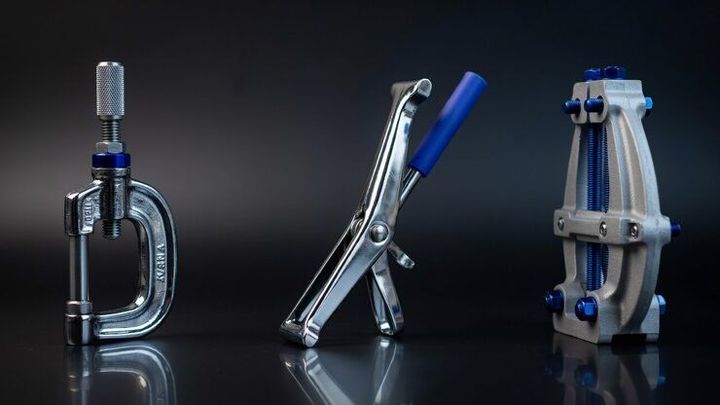
Hydraulic pullers: Remove tightly fitted bearings, gears, pulleys, and similar components.
Hydraulic crimping tools: Compress compatible connectors onto cables or hoses, depending on the tool design.
Hydraulic torque tools: Apply controlled rotational force to suitable fasteners in industrial applications.
Hydraulic hose assembly tools: Cut, prepare, and connect compatible hydraulic hoses using specified fittings and procedures.
Diagnostic instruments: Include pressure gauges, flow meters, temperature sensors, and test equipment for checking system performance.
Selecting a tool depends on the task, rated capacity, pressure requirements, compatibility, and manufacturer's instructions. Tools designed for one hydraulic application may not be suitable for another.
Where Hydraulic Systems Are Used
Hydraulic technology supports a wide range of practical activities. Construction machinery uses hydraulic cylinders to move excavator arms, raise loader buckets, and operate lifting equipment. Agricultural machines use hydraulic systems for steering, implements, and equipment positioning.
In manufacturing, hydraulic presses and clamping systems apply force during production processes. Vehicle workshops use hydraulic lifts and jacks, while industrial facilities may use hydraulic power units to operate machinery. These applications differ in scale, but all depend on controlled fluid movement and appropriate system design.
Comparing Hydraulic Tools
| Tool or equipment | Primary function | Common application |
|---|---|---|
| Hydraulic jack | Raises a load | Vehicle and machinery lifting |
| Hydraulic press | Applies compressive force | Forming and component assembly |
| Hydraulic puller | Removes fitted components | Mechanical maintenance |
| Pressure gauge | Measures fluid pressure | System inspection |
| Flow meter | Measures fluid flow | Performance testing |
| Hose crimping machine | Attaches compatible fittings | Hose assembly |
| Hydraulic torque wrench | Applies rotational force | Industrial fastening |
This table provides general examples. Actual capabilities depend on the tool's design, specifications, and operating conditions.
Recent Updates
Hydraulic technology continues to develop through improvements in electronic control, condition monitoring, fluid management, and energy efficiency. From 2024 through 2026, broader industrial equipment trends have included increased use of sensors, connected maintenance systems, and electrohydraulic controls. The level of adoption varies across industries and equipment types.
Smart Monitoring and Electrohydraulic Controls
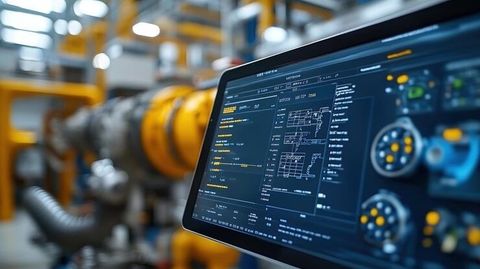
Traditional hydraulic systems often rely on mechanical valves and manual inspection. Modern systems may combine hydraulic components with electronic sensors and controllers that monitor pressure, temperature, fluid conditions, and actuator position.
Electrohydraulic systems use electrical signals to control hydraulic functions. This arrangement can support more precise movement and integration with automated production equipment. However, electronic controls introduce additional diagnostic requirements, and technicians may need suitable instruments and training to identify electrical and hydraulic faults.
Predictive Maintenance and Fluid Management
Condition monitoring can help identify changes that may indicate developing problems. Pressure trends, operating temperatures, vibration, filter condition, and fluid contamination measurements can provide useful information when interpreted alongside equipment specifications.
Some industrial facilities use maintenance software to record inspection results and track component replacement. These records help maintenance teams identify recurring problems and plan inspections around operating conditions rather than relying only on a fixed calendar.
Hydraulic fluid management also remains important. Correct fluid selection, contamination control, filtration, and leak prevention help protect components and maintain system performance. Any changes to fluid type or maintenance procedures should follow the equipment manufacturer's requirements.
Laws or Policies
Hydraulic equipment is subject to workplace safety rules, machinery requirements, and applicable technical standards. The specific requirements depend on the equipment, its use, the workplace, and the country where it operates.
Industrial Safety Requirements in India
In India, workplace safety obligations may arise under the Occupational Safety, Health and Working Conditions Code, 2020, and applicable rules, notifications, and implementation arrangements. The requirements relevant to a particular workplace depend on the provisions in force, the type of establishment, and the activity being performed.
Employers and equipment operators must consider applicable requirements for machinery safety, worker training, inspection, and hazard control. State-level rules and other regulations may also apply to factories, construction sites, and specialized industrial activities.
Technical Standards and Safe Operation
Relevant technical standards can address hydraulic system design, hose assemblies, pressure ratings, testing, and safe operation. The International Organization for Standardization (ISO) publishes standards covering hydraulic fluid power systems and components, including principles for identifying and controlling system hazards.
Hydraulic equipment should be operated within its specified pressure and load limits. Maintenance procedures may require isolation of power, prevention of unexpected movement, and controlled release of stored pressure before work begins.
Pressurized hydraulic fluid can penetrate skin and cause serious injury. A suspected leak should never be checked with bare hands. Equipment should be stopped and made safe according to the applicable procedure, and suspected injection injuries require immediate emergency medical assessment.
Tools and Resources
Technical references and diagnostic instruments help explain hydraulic equipment specifications and support systematic maintenance. The appropriate resource depends on whether the task involves selecting a component, troubleshooting a fault, or learning basic operating principles.
Technical Documentation and Learning Resources
Manufacturer manuals typically contain pressure ratings, fluid specifications, maintenance intervals, hydraulic diagrams, and replacement procedures. These documents are particularly important because components that appear similar may have different operating limits.
The ISO website provides information about hydraulic fluid power standards. The Bureau of Indian Standards (BIS) provides information about Indian standards, while the Directorate General Factory Advice Service and Labour Institutes (DGFASLI) publishes occupational safety and industrial health resources relevant to workplace practices.
Diagnostic Equipment and Calculators
Common hydraulic maintenance instruments include:
Pressure gauges: Measure pressure at designated test points.
Flow meters: Measure fluid movement through a circuit.
Temperature instruments: Monitor fluid or component temperature.
Contamination analysis equipment: Helps assess fluid cleanliness and condition.
Hydraulic pressure and force calculators: Estimate relationships between pressure, piston area, and force.
Maintenance logs: Record inspections, fluid changes, leaks, test results, and component replacements.
For an ideal hydraulic cylinder, force can be estimated by multiplying pressure by the effective piston area. For example, a pressure of 10 megapascals acting on an effective area of 0.01 square metres produces an ideal force of 100,000 newtons. Actual output can differ because of friction, pressure losses, and the geometry of the equipment.
Hydraulic System Maintenance Practices
Routine maintenance helps identify problems before they cause further equipment damage. Common practices include checking fluid levels, inspecting hoses and fittings, examining seals, monitoring unusual noise or heat, and following the specified filter replacement schedule.
Before maintenance, equipment must be isolated and stored hydraulic energy safely released according to the manufacturer's procedure. Lifting equipment may require mechanical supports, and loads must never be supported solely by hydraulic pressure when people are working beneath them.
FAQs
What are hydraulic system tools used for?
Hydraulic system tools are used to lift loads, apply force, assemble components, remove fitted parts, measure pressure, and diagnose hydraulic equipment. Their specific functions depend on their design and rated capacity.
How does a hydraulic system work?
A hydraulic pump moves fluid through a circuit. Pressure acting on a cylinder or motor converts hydraulic energy into linear or rotational movement, while valves control the direction and operation of the fluid.
What tools are needed for hydraulic system maintenance?
Common tools include pressure gauges, suitable diagnostic instruments, compatible fittings and hand tools, fluid sampling equipment, and inspection records. The required equipment depends on the system and the manufacturer's maintenance instructions.
What are common hydraulic system problems?
Common problems include fluid leaks, contaminated fluid, overheating, abnormal noise, slow movement, and pressure loss. Causes may include damaged seals, blocked filters, worn components, air in the fluid, or incorrect settings.
What safety precautions apply to hydraulic equipment?
Operators should observe rated pressure and load limits, inspect equipment, isolate energy before maintenance, and release stored pressure according to approved procedures. Pressurized leaks must never be checked by hand because hydraulic fluid can cause severe injection injuries.
Conclusion
Hydraulic system tools support lifting, pressing, movement, assembly, and equipment diagnosis across many industries. Understanding their types and working principles helps explain how hydraulic power is generated, controlled, and monitored. Appropriate maintenance, compatible components, and compliance with applicable safety requirements are important for reliable operation. Manufacturer documentation and suitable diagnostic instruments provide essential information for equipment inspection and maintenance.

You May Also Like