Hydrogen Energy Equipment Information With Production, Storage, and Safety Solutions
Hydrogen is an energy carrier that can be produced from different resources and used in industrial processes, transportation, electricity generation, and energy storage. Hydrogen energy equipment includes the machines, vessels, control systems, compressors, purification units, sensors, and safety devices used across the hydrogen value chain.
The development of hydrogen technologies comes from the need to manage energy in forms that can be stored, transported, and converted when required. Unlike electricity, hydrogen can be stored for longer periods and used later through fuel cells, combustion systems, or industrial processes. This makes hydrogen relevant to sectors where direct electrification can be technically difficult.
Hydrogen energy equipment generally covers several connected stages. These include production, purification, compression, storage, transportation, dispensing, conversion, monitoring, and safety management. Each stage requires equipment designed around hydrogen's physical properties, operating pressure, temperature, purity requirements, and material compatibility.
Hydrogen Production Equipment
Hydrogen production equipment converts a feedstock or energy input into hydrogen. Electrolyzers are an important equipment category because they use electricity to split water into hydrogen and oxygen. Different electrolyzer technologies include alkaline, proton exchange membrane, and solid oxide systems.
Other production systems use hydrocarbons or other feedstocks. These systems can include reformers, reactors, heat exchangers, gas separation units, purification equipment, and process control systems.
Hydrogen Storage Equipment
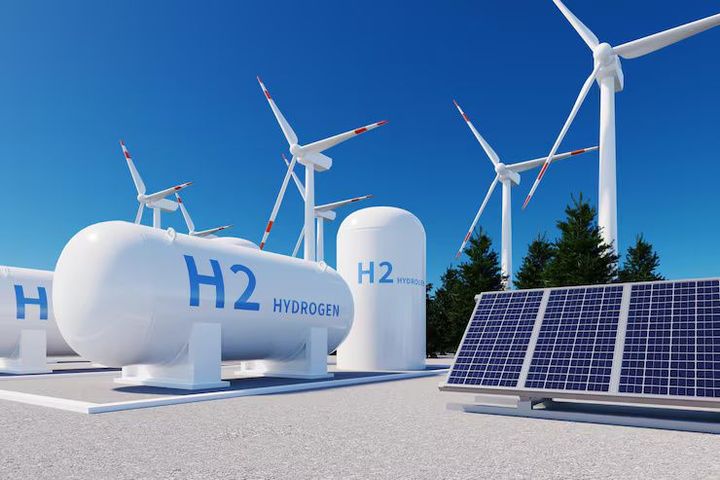
Hydrogen storage equipment is designed to contain hydrogen safely under specific operating conditions. Storage can involve compressed gas, liquid hydrogen, or other hydrogen-containing materials.
Compressed hydrogen systems commonly use high-pressure cylinders, tube trailers, stationary storage vessels, valves, regulators, pressure relief devices, and monitoring instruments. Liquid hydrogen systems require insulated tanks and equipment capable of handling extremely low temperatures.
Hydrogen Safety Equipment
Safety is an important part of hydrogen infrastructure because hydrogen is highly flammable and has a wide range of concentrations in air that can support combustion. Hydrogen safety equipment can include leak detectors, ventilation systems, flame detection devices, pressure relief systems, emergency shutdown controls, grounding arrangements, and gas monitoring instruments.
Equipment selection also depends on the location, quantity of hydrogen, operating pressure, temperature, and surrounding processes.
Importance
Hydrogen energy equipment matters because hydrogen systems require coordinated equipment rather than a single machine. A production unit, storage vessel, compressor, pipeline, sensor network, and control system may all operate together as one energy system.
The technology affects several groups, including industrial operators, equipment engineers, energy planners, transportation organizations, researchers, construction teams, and communities located near hydrogen facilities.
Industrial Applications
Hydrogen has long been used in industrial processes. It is associated with chemical production, refining processes, metal processing, and other applications requiring controlled hydrogen supplies.
Newer hydrogen projects are also examining its role in energy storage, electricity generation, heavy transportation, and industrial decarbonization. The actual environmental effect depends on how hydrogen is produced and what energy sources are used during production.
Energy Storage and Grid Integration
Hydrogen can act as an energy storage medium. Electricity can be used to produce hydrogen, which can then be stored and converted back into electricity or used directly in another application.
This creates a connection between hydrogen production equipment and electrical infrastructure. Important components can include electrolyzers, power-conditioning equipment, storage systems, compressors, fuel cells, and automated control systems.
Safety and Reliability Challenges
Hydrogen has characteristics that require careful engineering. Its small molecular size can make leakage detection important, while its low ignition energy means ignition-control measures are necessary.
Common challenges include:
- Maintaining pressure within approved operating limits
- Detecting hydrogen leakage quickly
- Selecting compatible materials
- Managing high-pressure equipment
- Controlling very low temperatures for liquid hydrogen
- Providing appropriate ventilation
- Preventing ignition sources near hydrogen equipment
- Maintaining sensors and emergency systems
A hydrogen facility therefore requires safety planning throughout design, installation, operation, inspection, and maintenance.
Recent Updates
From 2024 through 2026, hydrogen technology development has increasingly focused on improving electrolyzer performance, reducing system complexity, expanding hydrogen infrastructure, and integrating hydrogen production with renewable electricity.
Electrolyzer manufacturing has expanded across several regions, while research continues into alkaline, proton exchange membrane, solid oxide, and emerging electrolyzer designs. Development efforts have also examined durability, efficiency, materials, manufacturing processes, and system integration.
Hydrogen Equipment Trends
Several technology areas have received continued attention:
- Modular hydrogen production systems designed for different capacity requirements
- Improved electrolyzer controls and power management
- High-pressure hydrogen compression technologies
- Advanced hydrogen storage materials
- Hydrogen leak detection and monitoring systems
- Automated process-control platforms
- Fuel-cell systems for stationary and mobile applications
- Equipment designed for integration with renewable electricity
Hydrogen infrastructure is also becoming more connected with digital monitoring. Sensors can measure pressure, temperature, flow, hydrogen concentration, and equipment conditions. These measurements can support operational control and safety monitoring.
Equipment Comparison
| Equipment Category | Main Function | Typical Operating Consideration |
|---|---|---|
| Electrolyzer | Produces hydrogen from water | Electricity input, water quality, temperature |
| Hydrogen compressor | Raises hydrogen pressure | Pressure range, cooling, leakage control |
| Gas storage vessel | Stores compressed hydrogen | Pressure, material compatibility |
| Liquid hydrogen tank | Stores cryogenic hydrogen | Insulation and temperature control |
| Purification unit | Improves hydrogen purity | Required purity and contaminant levels |
| Hydrogen sensor | Detects hydrogen concentration | Detection range and response time |
| Pressure relief device | Controls excessive pressure | Set pressure and system design |
| Fuel cell | Converts hydrogen into electricity | Fuel purity, temperature, operating conditions |
The overall trend is toward integrated hydrogen energy equipment rather than isolated components. Control systems increasingly connect production, storage, monitoring, and energy conversion equipment into coordinated installations.
Laws or Policies
Hydrogen equipment is shaped by national regulations, regional requirements, industrial codes, environmental rules, electrical standards, pressure-equipment requirements, and fire-safety provisions. The exact requirements differ according to jurisdiction and the type of hydrogen facility.
Safety and Equipment Requirements
Regulatory frameworks commonly address areas such as:
- Pressure vessel design and inspection
- Hazardous-area classification
- Electrical equipment
- Hydrogen detection
- Ventilation
- Emergency shutdown systems
- Fire protection
- Storage capacity
- Transportation of compressed or liquefied hydrogen
- Worker training and facility procedures
International standards and technical codes are also used as references when designing hydrogen infrastructure. Standards organizations have developed specifications covering hydrogen quality, fueling systems, storage, piping, testing, and safety.
Environmental policies can influence hydrogen projects as well. Some jurisdictions have introduced programs related to low-emission hydrogen, renewable electricity integration, industrial emissions, infrastructure development, and research.
Because requirements vary by location and application, hydrogen equipment projects generally need to be assessed against the rules applicable to their specific facility.
Tools and Resources
Several types of tools can help readers understand hydrogen energy equipment and evaluate technical information.
Hydrogen Calculators
Hydrogen calculators can estimate quantities such as hydrogen production, energy consumption, storage capacity, gas volume, or conversion between different units. These tools can be useful for preliminary educational calculations.
Engineering Software
Process simulation and engineering software can model hydrogen production systems, compression equipment, heat transfer, flow conditions, and energy consumption. More advanced platforms can also evaluate system integration and process control.
Standards Databases
Standards databases provide information about technical specifications and safety requirements relevant to hydrogen production, storage, transportation, and use. Readers should verify that a standard is current and applicable to the intended installation.
Hydrogen Industry Data Platforms
Energy agencies, research institutions, technical organizations, and industrial databases publish information about hydrogen production, technology development, infrastructure, safety practices, and market activity. These resources can help readers understand terminology and technology trends.
Equipment Documentation
Manufacturer technical documentation can provide information about pressure ranges, temperature limits, material compatibility, operating conditions, maintenance requirements, and installation procedures. Such information is important when comparing different hydrogen energy equipment configurations.
FAQs
What is hydrogen energy equipment?
Hydrogen energy equipment refers to machinery and systems used to produce, purify, compress, store, transport, monitor, or convert hydrogen. Examples include electrolyzers, compressors, storage vessels, sensors, valves, fuel cells, and control systems.
How does hydrogen production equipment work?
Hydrogen production equipment uses a feedstock and an energy source to generate hydrogen. Electrolyzers use electricity to separate water into hydrogen and oxygen, while other technologies use chemical or thermal processes involving different feedstocks.
What equipment is used for hydrogen storage?
Hydrogen storage can use high-pressure gas cylinders, stationary vessels, tube systems, or cryogenic tanks for liquid hydrogen. The appropriate equipment depends on storage form, pressure, temperature, capacity, and facility requirements.
Why is hydrogen safety equipment important?
Hydrogen safety equipment helps detect leaks, control pressure, manage ventilation, identify abnormal conditions, and reduce ignition risks. Sensors, pressure relief devices, emergency shutdown systems, and ventilation equipment are common components.
What are the main hydrogen energy equipment trends?
Current trends include modular electrolyzers, improved compression systems, advanced storage technologies, automated monitoring, digital controls, fuel-cell integration, and systems designed to work with renewable electricity.
Conclusion
Hydrogen energy equipment supports the production, storage, monitoring, transportation, and use of hydrogen across multiple applications. Production systems, compressors, storage vessels, sensors, control equipment, and safety systems must work together according to their intended operating conditions. Developments from 2024 through 2026 have continued to focus on electrolyzers, storage, compression, automation, and safety technologies. Regulations and technical standards remain important because hydrogen facilities involve pressure, temperature, electrical, chemical, and fire-safety considerations.