Important Facts About HIV Treatments Everyone Should Know for Better Health Awareness
Human Immunodeficiency Virus (HIV) is a chronic viral infection that affects the immune system by targeting CD4 cells, which play a vital role in defending the body against infections.
Over the past few decades, remarkable advances in medicine have transformed HIV Treatments, allowing many people living with HIV to enjoy long, healthy, and productive lives. While there is currently no cure for HIV, modern treatment can effectively suppress the virus, protect the immune system, and significantly improve long-term health outcomes.
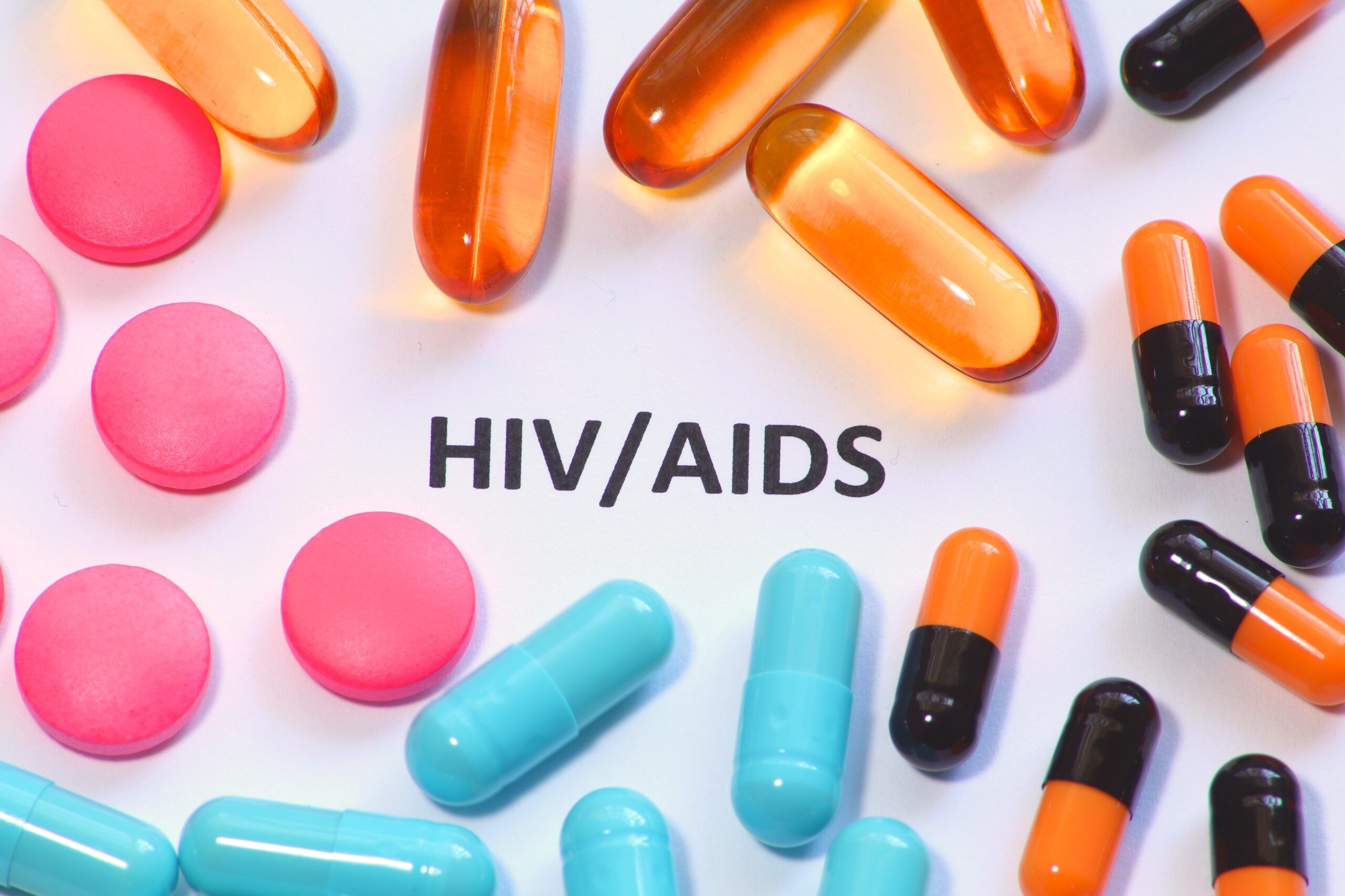
Today's HIV care combines antiretroviral therapy (ART), regular medical monitoring, laboratory testing, and personalized healthcare plans. Understanding how HIV treatments work, the importance of medication adherence, and the role of preventive healthcare can help reduce stigma while supporting informed health decisions.
Medical Disclaimer: This article is intended for general educational purposes only and should not replace professional medical advice, diagnosis, or treatment. Anyone who believes they may have HIV or has questions about treatment should consult a qualified healthcare professional. Never stop or change prescribed HIV medication without medical guidance.
What Are HIV Treatments?
HIV Treatments primarily consist of antiretroviral therapy (ART), a combination of medications that prevents HIV from multiplying in the body. By reducing the amount of virus in the bloodstream (viral load), ART helps protect the immune system and lowers the risk of HIV-related illnesses.
Treatment is individualized based on a person's health, laboratory results, and current medical guidelines.
Why Early Treatment Matters
Starting treatment as soon as possible after an HIV diagnosis offers important health benefits.
Potential benefits include:
Suppressing the viral load
Protecting immune system function
Reducing the risk of opportunistic infections
Improving long-term health outcomes
Supporting a longer life expectancy
Lowering the risk of HIV transmission when viral suppression is achieved and maintained
Reducing HIV-related complications
Supporting overall quality of life
Healthcare providers determine the most appropriate treatment plan for each individual.
How Antiretroviral Therapy Works
ART uses multiple medications that target different stages of the HIV life cycle.
The goals of treatment include:
Preventing HIV from reproducing
Lowering the viral load to undetectable levels when possible
Preserving CD4 cell function
Reducing disease progression
Supporting long-term immune health
Most people take a daily medication regimen, although long-acting injectable treatment options are available for some eligible individuals in certain countries.
Common Classes of HIV Medications
Healthcare providers may prescribe medications from one or more drug classes.
Examples include:
Integrase Strand Transfer Inhibitors (INSTIs)
Help block HIV from inserting its genetic material into human cells.
Nucleoside Reverse Transcriptase Inhibitors (NRTIs)
Interfere with the virus's ability to replicate.
Non-Nucleoside Reverse Transcriptase Inhibitors (NNRTIs)
Target reverse transcriptase through a different mechanism than NRTIs.
Protease Inhibitors (PIs)
Prevent HIV from producing mature viral particles.
Treatment combinations are selected according to current clinical guidelines and individual patient needs.
Monitoring During HIV Treatment
Regular follow-up appointments are an essential part of HIV care.
Monitoring may include:
Viral load testing
CD4 cell count
Kidney function tests
Liver function tests
Medication reviews
Screening for other health conditions
Assessment of medication adherence
General health evaluations
Routine monitoring helps healthcare providers evaluate treatment effectiveness and make adjustments if necessary.
Importance of Medication Adherence
Taking HIV medication exactly as prescribed is critical.
Consistent adherence helps:
Maintain viral suppression
Reduce the risk of drug resistance
Improve immune function
Lower the likelihood of HIV-related complications
Support long-term treatment success
Patients should speak with their healthcare provider if they have difficulty taking medications as prescribed.
Living Well With HIV
In addition to medication, healthy lifestyle habits support overall well-being.
Helpful recommendations include:
Attend regular medical appointments.
Eat a balanced diet.
Stay physically active.
Get adequate sleep.
Avoid tobacco products.
Limit alcohol consumption when appropriate.
Stay up to date with recommended vaccinations.
Seek mental health support when needed.
Comprehensive healthcare extends beyond medication alone.
HIV Treatments Overview
| Treatment Component | Primary Purpose |
|---|---|
| Antiretroviral Therapy (ART) | Suppress HIV replication |
| Viral Load Testing | Monitor treatment effectiveness |
| CD4 Count | Assess immune system health |
| Regular Medical Care | Support long-term disease management |
| Medication Adherence | Maintain viral suppression |
| Preventive Healthcare | Reduce overall health risks |
Current Advances in HIV Care
Medical research continues to improve HIV treatment and prevention.
Recent developments include:
Long-acting injectable antiretroviral therapies
Personalized treatment strategies
Digital medication adherence tools
Telehealth HIV care
Artificial intelligence-assisted clinical decision support
Improved laboratory monitoring
Expanded access to HIV prevention services
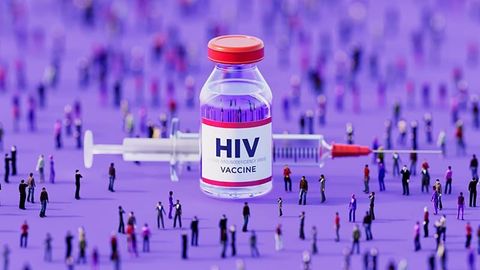
Ongoing research into vaccines and potential cures
These innovations continue to improve the quality of HIV care around the world.
Looking Ahead
The future of HIV Treatments is expected to include additional long-acting therapies, simplified treatment regimens, precision medicine approaches, and continued research into vaccines and potential curative strategies. Advances in digital healthcare and ongoing scientific discoveries are expected to further improve treatment access and patient outcomes.
Why Understanding HIV Treatments Matters
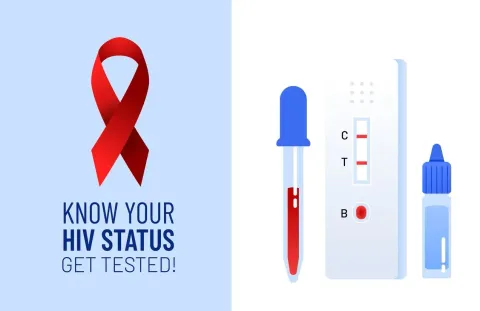
Understanding HIV Treatments helps individuals recognize the importance of early diagnosis, consistent medication use, and routine medical care. Increased awareness also helps reduce stigma, encourages HIV testing, and supports better public health outcomes.
Conclusion
Modern HIV Treatments have dramatically changed the outlook for people living with HIV by enabling effective viral suppression and protecting long-term health. Through antiretroviral therapy, regular medical monitoring, and healthy lifestyle choices, many individuals can lead active and fulfilling lives. Staying informed, following prescribed treatment plans, and maintaining ongoing communication with healthcare providers remain essential components of successful HIV management.