Industrial Boiler Guide: Designs, Fuel Types, Steam Production and Operating Principles
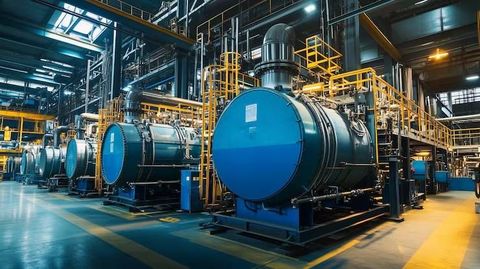
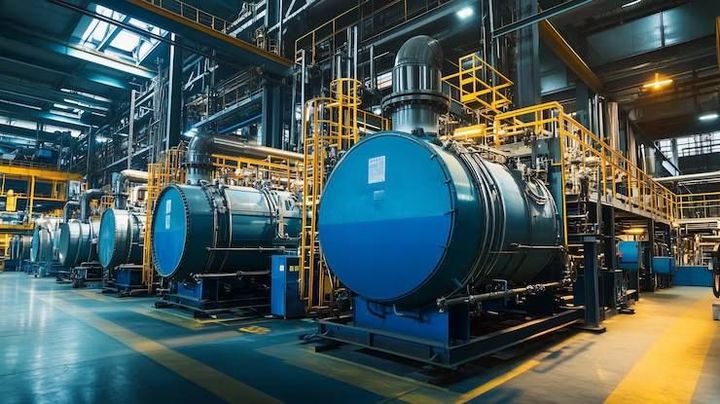
An Industrial Boiler Guide explains the designs, fuel types, steam production methods, and operating principles of industrial boilers. An industrial boiler is a closed vessel that uses heat to produce steam or hot water for manufacturing, building operations, and other industrial processes. The technology developed from early steam-generating equipment used to power machinery and transport, later expanding into heating, electricity generation, and industrial production.
Context
An Industrial Boiler Guide explains the designs, fuel types, steam production methods, and operating principles of industrial boilers. An industrial boiler is a closed vessel that uses heat to produce steam or hot water for manufacturing, building operations, and other industrial processes. The technology developed from early steam-generating equipment used to power machinery and transport, later expanding into heating, electricity generation, and industrial production.
Today, industrial boilers are used in food processing, textile production, chemical manufacturing, paper mills, hospitals, and many other facilities. Depending on the application, a boiler may provide steam for heating materials, cleaning equipment, operating turbines, or supporting chemical processes. Its design depends on the required temperature, pressure, output, fuel availability, and operating conditions.
Understanding Industrial Boiler Designs
Industrial boilers are generally classified by how water and hot combustion gases move through the equipment. Two widely used designs are fire-tube boilers and water-tube boilers, although electric and other specialized systems are also used.
Fire-tube boilers: Hot combustion gases pass through tubes surrounded by water. These boilers are commonly used for applications with moderate steam requirements and suitable pressure ranges.
Water-tube boilers: Water flows inside tubes while hot gases pass around them. This arrangement is used in many applications requiring higher pressures or substantial steam output.
Electric boilers: Electrical energy heats water to produce steam or hot water. These systems do not burn fuel at the boiler itself, although the environmental impact depends partly on how the electricity is generated.
Waste-heat boilers: These systems recover heat from industrial exhaust gases or other hot processes to produce steam or heat water.
Biomass boilers: These systems burn suitable organic materials, such as wood residues or agricultural by-products, subject to fuel preparation and combustion requirements.
The choice of boiler design depends on the process, required output, available space, operating pressure, and applicable safety requirements. Not every design is suitable for every industrial application.
Main Components of an Industrial Boiler
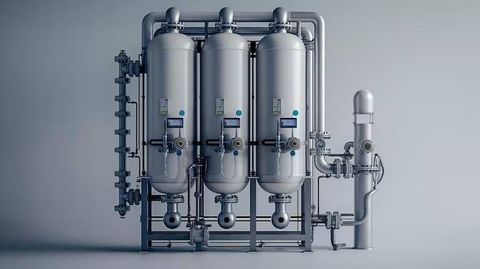
An industrial boiler includes several interconnected components that support heat transfer, water management, combustion, and safe operation.
The burner or heating element supplies the heat needed to raise the water temperature. The combustion chamber provides space for fuel combustion in fuel-fired systems, while the heat exchanger transfers thermal energy to the water.
Other important components include the feedwater pump, steam drum in applicable designs, water-level controls, pressure gauges, safety valves, and the steam outlet. Fuel-fired boilers may also include exhaust ducts, combustion-air fans, and emissions-control equipment.
Importance
Industrial boilers matter because heat and steam are essential to many manufacturing and infrastructure activities. They support processes that require controlled temperatures, continuous heating, or steam at specified pressure levels. Boiler performance can influence production schedules, energy use, workplace safety, and the reliability of industrial equipment.
Poorly managed boiler systems may experience scale formation, corrosion, inefficient combustion, water-level problems, or unexpected shutdowns. Excessive pressure and inadequate water levels can create serious hazards. Understanding the equipment and its operating principles helps explain why monitoring, inspection, water treatment, and trained operation are important.
Industrial Boiler Applications
Industrial boilers are used in several sectors, including:
Food and beverage production: Steam supports cooking, pasteurization, cleaning, and temperature control.
Textile manufacturing: Heat and steam are used in dyeing, finishing, washing, and fabric processing.
Chemical production: Certain processes require controlled heating, steam, or thermal energy.
Paper manufacturing: Steam helps heat process equipment and support drying operations.
Healthcare facilities: Boiler systems may provide building heat, hot water, and steam for specified equipment.
Power generation: Steam can drive turbines that produce electricity.
Different applications require different operating conditions. A boiler used for building heating may have different pressure and output requirements from a unit supplying a continuous industrial production line.
Comparing Common Boiler Types
| Boiler type | Operating principle | Typical application |
|---|---|---|
| Fire-tube | Hot gases pass through water-surrounded tubes | Heating and moderate steam demand |
| Water-tube | Water flows through tubes heated by combustion gases | Higher-pressure industrial processes |
| Electric | Electrical energy heats water | Facilities with suitable electrical capacity |
| Waste-heat | Recovers heat from another process | Industrial heat recovery |
| Biomass-fired | Burns prepared organic fuel | Facilities with suitable biomass supplies |
Actual operating ranges depend on the specific equipment, manufacturer specifications, and applicable regulations.
Recent Updates
Industrial boiler technology has increasingly focused on energy efficiency, emissions reduction, digital monitoring, and the integration of alternative energy sources. Developments across 2024–2026 reflect broader industrial efforts to reduce fuel consumption, improve process reliability, and meet environmental requirements. The adoption rate varies according to industry, location, infrastructure, and investment priorities.
Energy Efficiency and Heat Recovery
Modern boiler systems may incorporate improved insulation, combustion controls, economizers, and heat-recovery equipment. An economizer uses heat from exhaust gases to warm incoming feedwater, reducing the additional energy required to produce steam.
Combustion-control systems can adjust the fuel and air supply according to operating demand. However, performance depends on correct installation, maintenance, fuel characteristics, and system design. A technology that improves efficiency in one facility may not produce the same results under different operating conditions.
Digital Monitoring and Automation
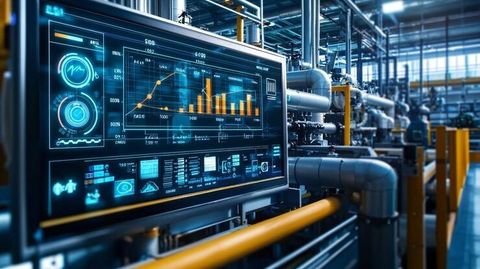
Some industrial facilities use sensors and digital control systems to monitor pressure, temperature, water level, fuel use, and other operating parameters. Automated alarms can help operators identify abnormal conditions, while historical data can support maintenance planning and performance analysis.
Predictive maintenance tools may identify changes in equipment behavior that require inspection. These tools supplement rather than replace physical inspections, required testing, and established safety procedures. Digital controls also need appropriate access management and cybersecurity protection.
Lower-Emission Heating Options
Industrial operators are examining electric boilers, biomass systems, recovered heat, and other lower-emission heating approaches where practical. Hydrogen and other alternative fuels are also being assessed for certain industrial applications, but their suitability depends on equipment compatibility, fuel supply, infrastructure, and safety requirements.
Environmental performance depends on the entire energy pathway. For example, an electric boiler produces no combustion exhaust at the boiler itself, but the emissions associated with its electricity use depend on the electricity source.
Laws or Policies
Industrial boiler operation is governed by safety, inspection, environmental, and workplace requirements that vary by country and application. Rules may address equipment design, pressure limits, installation, operator qualifications, periodic examinations, fuel handling, and emissions. Compliance requirements depend on the type of boiler, its specifications, and the relevant jurisdiction.
Industrial Boiler Regulations in India
In India, the Boilers Act, 2025, and the applicable rules and implementation arrangements form part of the legal framework for boilers. The Indian Boiler Regulations, 1950, have historically addressed technical requirements for boiler construction, materials, inspection, and related equipment, subject to the current legal framework and applicable amendments or transition provisions.
The Central Boilers Board and the relevant state boiler authorities have roles within India's boiler regulatory framework. Depending on the equipment and circumstances, registration, inspection, certification, and periodic examinations may be required. The specific requirements should be checked with the relevant authority because legal provisions and implementation arrangements can change.
Environmental and Workplace Requirements
Fuel-fired industrial boilers may be subject to applicable emissions standards and environmental permissions. Requirements can cover particulate matter, nitrogen oxides, sulfur oxides, fuel characteristics, monitoring, and pollution-control equipment, depending on the installation and governing rules.
Workplace safety requirements may also address pressure hazards, hot surfaces, confined spaces, fuel storage, and emergency procedures. Operators must follow the equipment manufacturer's instructions and applicable legal requirements. General information cannot determine whether a particular boiler installation complies with the rules governing its location.
Tools and Resources
Several technical resources can help engineers, facility managers, students, and industrial operators understand boiler operation and performance. Their usefulness depends on the information available and the technical experience of the person using them.
Boiler Calculators and Monitoring Tools
A steam-generation calculator can estimate steam output from feedwater conditions, steam pressure, and available heat input. A boiler-efficiency calculator may compare useful heat delivered with the energy supplied by the fuel or electricity. These calculations require consistent units and suitable assumptions about operating conditions.
Energy-monitoring systems can track fuel consumption, steam production, feedwater temperature, and operating hours. Comparing these measurements over time may help identify changes in performance, although reliable conclusions require accurate instruments and appropriate operating records.
Technical Standards and Reference Resources
Useful resources include the following:
Bureau of Indian Standards (BIS): Provides information on Indian standards relevant to industrial equipment and safety.
Central Boilers Board: Provides regulatory information related to boilers in India.
Central Pollution Control Board (CPCB): Publishes environmental standards and pollution-control guidance relevant to regulated industrial activities.
American Society of Mechanical Engineers (ASME): Publishes boiler and pressure-vessel codes used in many engineering contexts, subject to local adoption and contractual requirements.
Manufacturer documentation: Contains equipment specifications, operating limits, maintenance schedules, and instructions for the particular boiler model.
Technical calculators and online references do not replace required inspections, engineering assessments, or qualified operational judgment.
FAQs
What is an industrial boiler and how does it work?
An industrial boiler transfers heat to water to produce steam or hot water. The heat may come from fuel combustion, electricity, or recovered heat from another process.
What are the main types of industrial boilers?
Common types include fire-tube, water-tube, electric, waste-heat, and biomass-fired boilers. Their designs differ in heat transfer, fuel requirements, operating pressure, and intended application.
Which fuels are used in industrial boiler systems?
Industrial boilers may use natural gas, fuel oil, coal, biomass, or other suitable fuels. Fuel selection depends on equipment compatibility, availability, emissions requirements, and operating conditions.
How is steam produced in an industrial boiler?
Heat raises the temperature of feedwater until it reaches the boiling conditions associated with the operating pressure. Additional heat converts water into steam, which is then delivered to the process through a controlled distribution system.
Which regulations apply to industrial boilers in India?
Applicable requirements may include the Boilers Act, 2025, relevant rules and regulations, inspection requirements, and environmental standards. The exact obligations depend on the installation and the legal provisions currently in force.
Conclusion
Industrial boilers produce steam or hot water for manufacturing, heating, and other industrial processes. Their designs and fuel types determine how heat is generated and transferred, while operating conditions influence performance and safety requirements. Recent developments emphasize energy efficiency, heat recovery, digital monitoring, and alternative heating options. Regulatory compliance, water management, proper inspection, and suitable operating procedures remain important aspects of industrial boiler use.