Industrial Centrifuge Separation Information With Decanter Systems and Process Optimization
Industrial centrifuge separation is a process used to separate materials according to differences in density by using rotational force. It is common in manufacturing, food processing, wastewater treatment, chemical production, mining, and other industrial activities.
An industrial centrifuge can separate suspended solids from liquids, divide two liquids with different densities, or remove moisture from solid materials.
The technology developed from the principles of centrifugal force, which causes denser materials to move outward when a mixture rotates. Industrial equipment applies this principle at controlled speeds to separate materials more efficiently than gravity settling alone. Different centrifuge designs support different materials, processing volumes, and separation requirements.
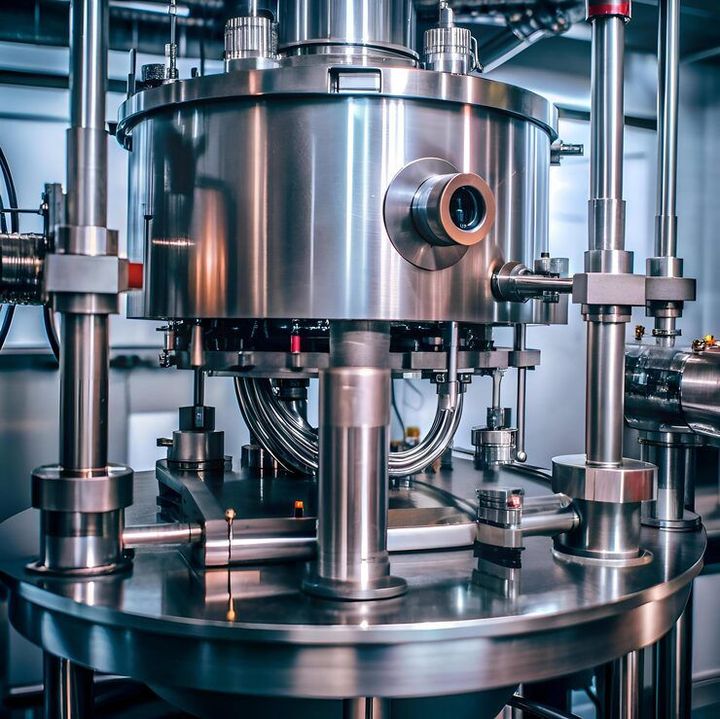
A decanter centrifuge is a widely used type of industrial centrifuge separation equipment. It typically consists of a rotating bowl and an internal screw conveyor that moves separated solids toward a discharge outlet while clarified liquid leaves through another outlet. This continuous operation makes decanter systems suitable for processes that generate large quantities of mixtures.
How industrial centrifuge separation works
The process begins when a mixture enters a rotating bowl. Centrifugal force moves denser particles toward the bowl wall, while the lighter liquid forms an inner layer. The equipment then directs the separated materials through designated discharge points.
Several operating factors influence separation performance, including rotational speed, particle size, liquid viscosity, feed rate, and the difference in density between the materials. The design of the bowl and the speed of the internal conveyor also affect the dryness of discharged solids and the clarity of the liquid.
Main types of industrial centrifuges
Industrial centrifuges are available in different configurations, each designed for particular separation tasks.
Decanter centrifuge: Separates suspended solids from liquids and can process certain liquid mixtures continuously.
Disc-stack centrifuge: Uses a series of closely spaced discs to separate fine particles or liquids with different densities.
Basket centrifuge: Uses a perforated or solid rotating basket for separating solids from liquids, depending on its design.
Tubular bowl centrifuge: Uses a narrow, high-speed bowl for applications involving fine particles or mixtures that require specialized separation.
Selecting a suitable configuration depends on the characteristics of the feed material, the required separation quality, processing capacity, and operating conditions.
Importance
Industrial centrifuge separation matters because many production processes generate mixtures that must be separated before the next manufacturing stage. Without suitable separation equipment, solids can accumulate in process liquids, valuable materials may remain in waste streams, and downstream machinery may experience additional wear or blockages.
The technology affects industrial operators, environmental facilities, agricultural processors, food manufacturers, and communities that depend on effective wastewater treatment. Its role is especially relevant where industries need to manage water consumption, recover usable materials, and handle industrial sludge.
Applications across industries
In wastewater treatment, decanter centrifuges remove suspended solids from sludge, reducing the volume of material that requires further handling. The separated liquid may undergo additional treatment before reuse or discharge, depending on its quality and the applicable requirements.
In food processing, centrifuges separate liquids from solids in materials such as starch mixtures, fruit processing residues, and certain vegetable oils. Equipment selection and operating procedures must account for hygiene, product quality, and contamination prevention.
Mining and mineral processing use centrifuges to separate solids from process water and manage fine mineral residues. Chemical and pharmaceutical manufacturing also use centrifuge systems where appropriate to separate process materials under controlled conditions.
Operational challenges and process optimization
Industrial centrifuge performance depends on more than rotational speed. Incorrect operating conditions can result in wet solids, excessive solids in the liquid output, high energy consumption, vibration, or frequent maintenance requirements.
Process optimization involves adjusting operating parameters to achieve the required separation quality while maintaining stable operation. Important considerations include:
Feed consistency: Changes in solid concentration can affect separation efficiency and equipment loading.
Differential speed: In a decanter centrifuge, the speed difference between the bowl and screw conveyor affects solids transport and residence time.
Polymer dosing: Certain sludge applications use polymers to improve particle aggregation and separation, although the appropriate chemical and dosage depend on the material.
Maintenance: Wear on conveyor flights, bearings, seals, and other components can influence equipment reliability.
Energy use: Monitoring motor load and operating speed helps identify opportunities to reduce unnecessary energy consumption.
Common performance indicators
Operators often evaluate separation equipment through measurable indicators rather than relying on appearance alone. These measurements help identify process changes and compare operating conditions.
Performance indicator | What it measures | Why it matters |
|---|---|---|
Solids capture rate | Proportion of incoming solids retained in the solid output | Indicates solids separation performance |
Cake dryness | Amount of moisture remaining in discharged solids | Affects handling and further processing |
Liquid clarity | Amount of suspended material in the liquid output | Indicates the need for further treatment |
Throughput | Volume of material processed over a period | Helps assess production capacity |
Energy consumption | Electricity used during operation | Supports energy monitoring |
Vibration level | Mechanical movement during operation | Helps identify imbalance or wear |
These indicators should be interpreted together because improving one measurement can affect another. For example, changing the differential speed may increase solids dryness under certain conditions but can also affect liquid clarity or processing capacity.
Recent Updates
Recent developments in industrial centrifuge separation focus on automation, condition monitoring, energy efficiency, and improved control of operating parameters. Rather than relying exclusively on manual adjustments, facilities increasingly use sensors and digital control systems to monitor equipment performance during operation.
Automation and digital monitoring
Modern centrifuge installations may use programmable logic controllers, variable-frequency drives, and supervisory control systems. These technologies allow operators to adjust rotational speed, feed rate, and other parameters within the equipment's operating limits.
Sensors can monitor vibration, temperature, motor load, and other conditions that indicate changing performance. When connected to suitable monitoring software, this information can help maintenance teams identify developing mechanical problems before they cause major disruption.
Improvements in decanter systems
Decanter centrifuge development emphasizes more effective bowl geometry, improved wear-resistant materials, and designs suited to particular feed characteristics. Some systems also incorporate automated adjustments that respond to changes in feed concentration or operating load.
However, equipment features vary by manufacturer and model. Automated controls cannot eliminate the need for correct process design, routine inspection, and appropriate operator training.
Energy and resource efficiency
Industrial facilities increasingly examine the energy required for separation, the amount of water used during processing, and the volume of residual solids produced. Process optimization may include selecting appropriate operating speeds, reducing unnecessary feed fluctuations, and recovering suitable process liquids for further use.
These improvements depend on the application and the characteristics of the materials being processed. A configuration that works well for municipal sludge may not provide the same results with mineral slurry or a food-processing mixture.
Laws or Policies
Industrial centrifuge separation is influenced by environmental, occupational safety, machinery, and industry-specific requirements. Because the applicable rules depend on the country, industry, and intended use, there is no single regulatory framework that covers every centrifuge installation.
Environmental requirements commonly address wastewater discharge, industrial waste handling, air emissions where relevant, and the prevention of contamination. Facilities using centrifuges must consider how separated liquids and solids will be treated, transported, reused, or disposed of under applicable local requirements.
Environmental and workplace requirements
In India, industrial facilities may need to comply with applicable provisions of environmental legislation, water pollution control requirements, and conditions established by the relevant pollution control authorities. Requirements can differ according to the type of industry, location, discharge method, and environmental approvals associated with the facility.
Workplace safety is another important consideration. Rotating equipment presents hazards involving moving components, stored energy, noise, vibration, and maintenance access. Appropriate machine guarding, emergency stops, isolation procedures, and worker training help reduce these risks.
Machinery standards and operational controls
Depending on the installation, relevant machinery standards may address rotating equipment design, electrical safety, vibration, guarding, and safe maintenance practices. Food-processing applications may also need to satisfy applicable hygiene and material-contact requirements.
Industrial operators should verify which standards, permits, and workplace procedures apply to their specific equipment. General information about centrifuge technology does not replace formal regulatory assessment or equipment-specific safety instructions.
Tools and Resources
Several technical tools help engineers, plant operators, and maintenance teams evaluate industrial centrifuge separation performance. These resources support process calculations, equipment monitoring, and systematic troubleshooting.
Process calculation tools
Separation calculations help estimate the operating conditions required for a particular application. Useful calculations may include solids concentration, mass balance, volumetric throughput, moisture content, and energy consumption per unit of processed material.
A mass balance compares the materials entering a centrifuge with the materials leaving it. This can help identify unexpected losses, changes in solids capture, or differences between measured feed and output quantities.
Monitoring and maintenance resources
Common resources include:
Equipment manuals: Explain operating limits, maintenance intervals, component specifications, and safety procedures for a particular centrifuge.
Vibration monitoring instruments: Help detect mechanical imbalance, bearing deterioration, and other developing faults.
Process sensors: Measure variables such as flow, pressure, temperature, and motor load.
Industrial control platforms: Display operating conditions, alarms, historical trends, and process adjustments.
Maintenance records: Track inspections, component replacement, operating hours, and recurring equipment problems.
Choosing suitable evaluation methods
A structured evaluation begins with the properties of the feed material, including particle size, density, viscosity, temperature, and solids concentration. Operators can then compare separation results under controlled operating conditions while monitoring throughput, liquid clarity, solids dryness, and energy use.
Pilot testing may be appropriate when feed characteristics vary significantly or when a new application requires validation. Results from testing should be assessed against actual process requirements rather than assumed to apply to every industrial centrifuge system.
FAQs
What is industrial centrifuge separation?
Industrial centrifuge separation uses rotational force to separate materials with different densities. It is commonly used to remove solids from liquids, separate certain liquid mixtures, and reduce moisture in industrial solids.
How does a decanter centrifuge work?
A decanter centrifuge rotates a mixture inside a bowl, causing denser solids to move toward the outer wall. An internal screw conveyor transports the solids to a discharge point while the separated liquid exits through a separate outlet.
Which factors affect decanter centrifuge efficiency?
Important factors include feed rate, particle size, density differences, liquid viscosity, rotational speed, differential speed, and feed solids concentration. Equipment condition and the characteristics of the incoming material also influence separation results.
Where is industrial centrifuge separation used?
Applications include wastewater treatment, food processing, mining, chemical manufacturing, and various industrial production processes. The equipment configuration depends on the materials being separated and the required output quality.
How can centrifuge process optimization improve operations?
Process optimization can improve solids capture, liquid clarity, throughput, and energy use when operating conditions are adjusted appropriately. Monitoring performance indicators and maintaining equipment helps operators identify process changes and mechanical problems.
Conclusion
Industrial centrifuge separation is an important technology for separating solids and liquids in a wide range of industrial processes. Decanter systems support continuous processing, while automation and monitoring technologies help operators manage changing operating conditions. Effective process optimization considers separation quality, energy consumption, equipment condition, and the characteristics of the incoming material. Environmental requirements and workplace safety procedures remain essential parts of responsible centrifuge operation.