Industrial Cleaning Equipment Guide: Machines, Cleaning Methods, Features and Industrial Uses
An Industrial Cleaning Equipment Guide explains the machines, cleaning methods, operating features, and industrial applications used to maintain clean working environments. Industrial cleaning developed as factories, warehouses, transport facilities, and manufacturing plants expanded and required organized methods for removing dust, grease, oil, residue, and other unwanted materials. Traditional methods relied heavily on manual sweeping, scrubbing, and washing, while modern facilities use mechanical equipment to handle different surfaces and cleaning requirements.
Context
An Industrial Cleaning Equipment Guide explains the machines, cleaning methods, operating features, and industrial applications used to maintain clean working environments. Industrial cleaning developed as factories, warehouses, transport facilities, and manufacturing plants expanded and required organized methods for removing dust, grease, oil, residue, and other unwanted materials. Traditional methods relied heavily on manual sweeping, scrubbing, and washing, while modern facilities use mechanical equipment to handle different surfaces and cleaning requirements.
Industrial cleaning equipment includes floor scrubbers, industrial vacuum cleaners, pressure washers, steam cleaners, sweepers, and specialized parts-washing systems. Each machine is designed for particular tasks, materials, and working conditions. Selecting suitable equipment depends on the type of contamination, the surface being cleaned, the size of the facility, and the safety requirements of the workplace.
Understanding Industrial Cleaning Machines
Industrial cleaning machines are used in environments where ordinary household equipment may not be suitable for the volume of debris, operating duration, or nature of the materials involved. Manufacturing plants may need to remove metal particles and lubricants, while food-processing facilities require cleaning methods that address hygiene and contamination risks.
Common equipment categories include:
Industrial vacuum cleaners: Collect dust, dry debris, and, with suitable models, liquids or specialized materials.
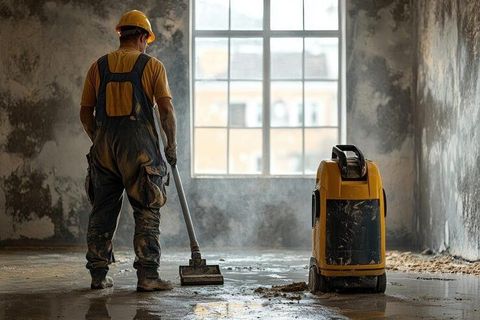
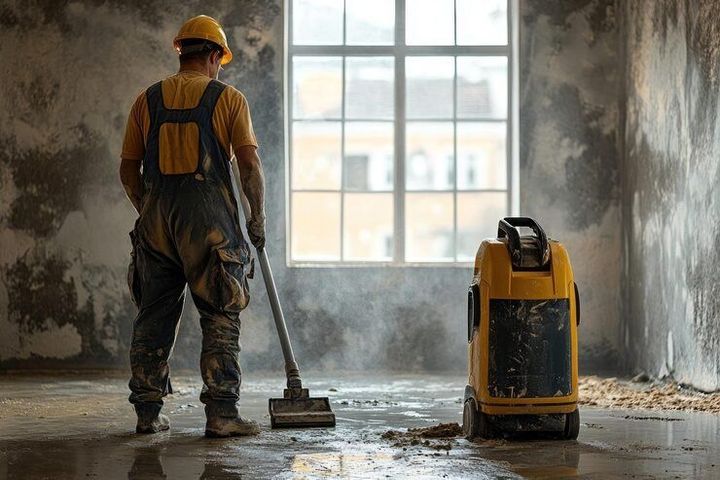
Floor scrubbers: Apply cleaning solution, brush or scrub surfaces, and collect dirty water.
Industrial sweepers: Gather loose debris from factory floors, warehouses, and large indoor or outdoor areas.
Pressure washers: Use pressurized water to remove dirt and residue from suitable surfaces.
Steam cleaning machines: Use heated steam for selected cleaning applications, depending on the surface and contamination.
Parts-washing machines: Clean components using water-based solutions or other compatible cleaning methods.
Ultrasonic cleaners: Use high-frequency sound waves in a liquid to help remove contaminants from complex components.
The equipment used in a facility depends on its production processes, cleaning schedule, available utilities, and the materials handled during daily operations.
Importance
Industrial cleaning equipment supports workplace hygiene, production quality, equipment maintenance, and general operational safety. Accumulated dust, spilled liquids, grease, and loose debris can create slipping hazards, interfere with machinery, or affect the quality of manufactured products.
These concerns affect many sectors, including automotive manufacturing, food processing, pharmaceuticals, electronics, metalworking, logistics, and commercial building management. Appropriate cleaning methods can also help control airborne particles, reduce unwanted residue, and maintain orderly work areas.
Common Industrial Cleaning Challenges
Different workplaces face different cleaning problems. A warehouse may need to collect packaging fragments and dust across wide floor areas, while a metalworking plant may need equipment capable of handling oil and fine metal particles.
Several factors influence cleaning requirements:
Contamination type: Dust, grease, chemicals, biological residue, and metal shavings require different approaches.
Surface material: Concrete, stainless steel, painted surfaces, and delicate components may respond differently to water, heat, and cleaning chemicals.
Area size: Large facilities may need ride-on machines, while smaller production spaces may use compact equipment.
Hygiene requirements: Food and pharmaceutical environments may require documented cleaning procedures and controls against cross-contamination.
Operating conditions: Noise, electrical supply, ventilation, drainage, and available storage space can affect equipment selection.
Worker safety: Machine operation, chemical handling, electrical hazards, and exposure to dust require suitable precautions.
Cleaning equipment should match the actual hazard and task. For example, ordinary vacuum cleaners may be unsuitable for combustible dust or hazardous substances unless specifically designed and approved for that application.
Comparison of Industrial Cleaning Equipment
The table below summarizes common machines and their typical applications.
| Equipment type | Main cleaning method | Typical industrial use |
|---|---|---|
| Industrial vacuum cleaner | Suction and filtration | Dust, debris, selected liquids |
| Floor scrubber | Brushes, solution, and water recovery | Factory and warehouse floors |
| Industrial sweeper | Mechanical collection | Large floor areas and loose debris |
| Pressure washer | Pressurized water | Suitable machinery and outdoor surfaces |
| Steam cleaner | Heated steam | Selected surfaces and residue |
| Parts-washing machine | Liquid circulation or spraying | Industrial components |
| Ultrasonic cleaner | High-frequency sound in liquid | Small and complex components |
These machines are not interchangeable in every situation. Equipment specifications, filtration arrangements, material compatibility, and operating instructions determine which applications are appropriate.
Recent Updates
Industrial cleaning equipment has increasingly incorporated automation, improved filtration, energy management, and digital monitoring. Developments during 2024–2026 reflect broader industrial priorities, including reducing unnecessary resource use, improving worker safety, and integrating cleaning activities into facility-management systems. Adoption varies according to industry, equipment requirements, and investment plans.
Automation and Smart Cleaning Systems
Some modern floor scrubbers and sweepers use sensors, programmed routes, obstacle detection, and automated navigation. These features can support repeatable cleaning schedules in warehouses and other environments with predictable layouts.
Connected equipment may also record operating hours, battery status, maintenance alerts, and cleaning activity. Such information can help facility managers plan maintenance and review equipment use. However, automated systems still require supervision, suitable site conditions, and procedures for handling obstacles or unexpected contamination.
Filtration, Electrification, and Resource Efficiency
Industrial vacuum cleaners increasingly use filtration configurations suited to different particle sizes and workplace requirements. High-efficiency particulate air (HEPA) filtration is relevant in applications where fine-particle capture is required, although the complete machine design and maintenance practices also influence performance.
Battery-powered cleaning machines are used in some facilities to reduce dependence on trailing electrical cables and local exhaust emissions during operation. Their suitability depends on runtime, charging arrangements, load requirements, and the availability of appropriate electrical infrastructure.
Manufacturers and facility operators are also examining water recovery, detergent management, and energy consumption. These developments do not eliminate the need for correct cleaning procedures, compatible chemicals, or regular equipment maintenance.
Laws or Policies
Industrial cleaning equipment is affected by workplace safety regulations, environmental requirements, electrical safety provisions, chemical-handling rules, and industry-specific hygiene standards. The applicable requirements depend on the machine, the materials being handled, and the location of the facility.
Industrial Safety Requirements in India
In India, industrial workplaces must consider applicable occupational safety and health requirements, including relevant provisions under the Occupational Safety, Health and Working Conditions Code, 2020, and other laws or rules in force. Implementation details, commencement provisions, and applicable state requirements should be checked for the specific workplace.
Employers and facility operators need to consider machine guarding, electrical safety, worker training, safe chemical handling, and appropriate personal protective equipment. Cleaning equipment used around combustible dust, flammable substances, or hazardous chemicals may require additional controls and equipment specifically suitable for those environments.
Environmental and Industry-Specific Rules
Industrial cleaning can generate wastewater, contaminated sludge, used cleaning solutions, and chemical residues. Their collection, treatment, storage, and disposal may be governed by applicable environmental legislation and rules, including requirements administered by the Central Pollution Control Board and State Pollution Control Boards.
Food-processing facilities may also need to follow relevant food hygiene requirements under India's food safety framework. Cleaning procedures should prevent contamination and use chemicals and equipment suitable for the intended surfaces and production environment.
Before introducing a cleaning system, facility operators should review applicable regulations, equipment documentation, chemical safety data sheets, and internal workplace procedures. Compliance depends on the specific operation rather than on the machine category alone.
Tools and Resources
Several technical resources can help facility managers and maintenance teams understand industrial cleaning equipment, compare specifications, and organize routine cleaning activities.
Equipment Specifications and Selection Tools
Manufacturer documentation usually explains machine capacity, filtration ratings, power requirements, operating limitations, compatible surfaces, and maintenance intervals. Technical datasheets and operating manuals help determine whether a machine is appropriate for a particular application.
A cleaning equipment comparison spreadsheet can record:
Machine type and intended application.
Floor area or component size.
Dust, liquid, or residue characteristics.
Power source and operating duration.
Filtration requirements and waste collection method.
Maintenance schedule and replacement components.
Training requirements and applicable safety precautions.
Recording these details makes it easier to compare equipment according to operational needs rather than relying on general descriptions.
Industry and Safety Resources
In India, the Central Pollution Control Board website provides information on environmental regulations and pollution-control requirements. The Bureau of Indian Standards publishes information on Indian Standards, including standards relevant to equipment and industrial safety where applicable.
The International Organization for Standardization (ISO) publishes standards covering areas such as environmental management and occupational health and safety. The exact standard relevant to a facility depends on its activities and compliance objectives.
Maintenance logs, inspection checklists, cleaning schedules, and chemical inventories are also useful resources. They help document routine work, equipment condition, and the handling of cleaning materials.
FAQs
What are the main types of industrial cleaning equipment?
Common types include industrial vacuum cleaners, floor scrubbers, sweepers, pressure washers, steam cleaners, parts-washing machines, and ultrasonic cleaners. Each is designed for specific cleaning tasks and operating conditions.
How does an industrial floor scrubber work?
An industrial floor scrubber applies cleaning solution and uses brushes or pads to loosen dirt. Many models then collect the dirty water, leaving the cleaned surface with less residual moisture.
How is industrial vacuum cleaner equipment selected?
Selection depends on the type and quantity of debris, particle size, filtration requirements, operating environment, and applicable safety controls. Hazardous or combustible materials may require specially designed equipment.
What industries use industrial cleaning machines?
Manufacturing, food processing, automotive production, electronics, logistics, metalworking, and building management commonly use industrial cleaning equipment. The machine type varies according to surface materials, contamination, and hygiene requirements.
What safety rules apply to industrial cleaning equipment in India?
Applicable requirements may cover machine operation, electrical safety, chemical handling, worker protection, and environmental waste management. The relevant rules depend on the facility, cleaning materials, and equipment used.
Conclusion
Industrial cleaning equipment includes machines designed to remove dust, debris, grease, residue, and other contaminants from industrial environments. Equipment selection depends on the cleaning method, surface material, contamination type, workplace layout, and safety requirements. Automation, improved filtration, and resource-management features are shaping current equipment development, although their suitability varies by application. Applicable Indian workplace, environmental, and industry-specific rules also influence how cleaning systems are operated and maintained.