Industrial Cutting Machine Guide: Technologies, Materials, Functions and Applications
An Industrial Cutting Machine Guide explains the technologies, materials, functions, and applications of machines used to cut raw materials into specific shapes and dimensions. These machines are widely used in manufacturing, construction, automotive production, metal fabrication, textiles, woodworking, and electronics. Their development followed the growth of industrial production, where manual cutting alone could not consistently meet the requirements of larger production volumes and more complex designs.
Context
An Industrial Cutting Machine Guide explains the technologies, materials, functions, and applications of machines used to cut raw materials into specific shapes and dimensions. These machines are widely used in manufacturing, construction, automotive production, metal fabrication, textiles, woodworking, and electronics. Their development followed the growth of industrial production, where manual cutting alone could not consistently meet the requirements of larger production volumes and more complex designs.
Traditional cutting methods include hand-operated saws, shears, and mechanical blades. Industrial cutting technology has expanded to include laser cutting, plasma cutting, waterjet cutting, computer numerical control (CNC) systems, and specialized cutting tools. Each method uses a different process to separate material, and its suitability depends on the material's properties, thickness, shape, and intended application.
Understanding Industrial Cutting Machines
An industrial cutting machine uses mechanical force, heat, a high-pressure fluid stream, or another controlled process to separate material. Some machines are operated manually, while others use programmed movements to follow precise cutting paths.
A typical system may include a cutting head or blade, a worktable, a material-holding mechanism, a control panel, and protective equipment. Automated models may also use sensors, digital design files, and computer-controlled positioning to coordinate cutting operations.
Importance
Industrial cutting machines play an important role in producing components with consistent dimensions and defined edges. They help manufacturers prepare metal sheets, pipes, plastic panels, wooden boards, fabrics, and composite materials for further processing or assembly.
Cutting accuracy can affect how parts fit together, how much material is wasted, and how efficiently a production line operates. Inaccurate cuts may lead to additional finishing work, rejected components, or delays in later manufacturing stages. Choosing a suitable cutting method therefore involves balancing precision, material characteristics, production requirements, and workplace safety.
Common Industrial Cutting Technologies
Different technologies address different cutting requirements.
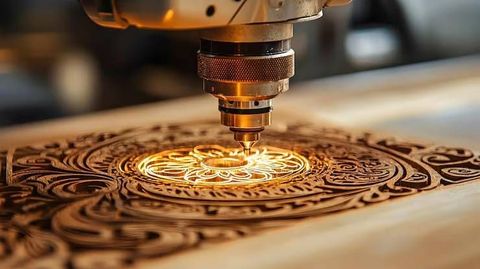
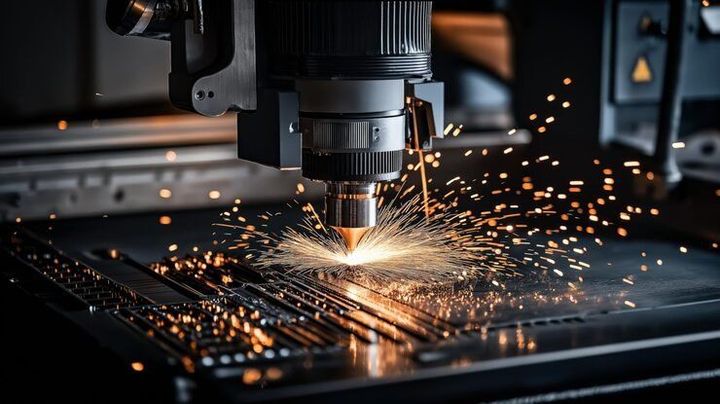
Laser cutting: Uses a concentrated beam of light to cut or engrave compatible materials. It is commonly used for sheet metal, selected plastics, and other materials approved for the specific laser system.
Plasma cutting: Uses an electrically conductive, high-temperature plasma stream to cut conductive metals such as steel, stainless steel, and aluminum.
Waterjet cutting: Uses a high-pressure water stream, sometimes combined with an abrasive material, to cut a range of materials without relying on heat to separate them.
CNC cutting: Uses computer-controlled movements to guide a cutting tool or head along a programmed path. CNC describes the control method rather than one particular cutting technology.
Mechanical cutting: Uses blades, saws, shears, punches, or similar tools to separate materials through physical force.
Oxy-fuel cutting: Uses a fuel gas and oxygen to cut suitable metals through a controlled oxidation process, particularly in heavy steel fabrication.
The technologies differ in their cutting speed, edge quality, operating requirements, and suitability for particular materials. For example, plasma cutting is commonly associated with conductive metals, while waterjet systems can handle materials that may be unsuitable for thermal cutting.
Materials and Their Cutting Requirements
Material properties influence the cutting process. Thickness, hardness, reflectivity, electrical conductivity, heat sensitivity, and internal structure can all affect the result.
Metals such as carbon steel, stainless steel, and aluminum are processed using several industrial cutting methods. Plastics and composites require attention to heat effects, fumes, delamination, or changes to the material's edges. Wood and engineered boards are often processed with saws, routers, or suitable laser systems, depending on their composition and intended use.
Fabrics, leather, paper, and flexible sheet materials may be cut using mechanical blades, CNC knife systems, or specialized laser equipment. The material manufacturer's guidance and the cutting machine's specifications help determine which process is appropriate.
Main Applications Across Industries
Industrial cutting equipment is used in a wide range of production environments.
Automotive manufacturing: Cutting metal panels, brackets, tubing, and selected interior materials.
Construction: Preparing structural steel, reinforcement components, pipes, panels, and building materials.
Aerospace manufacturing: Processing specified metals and composite materials under strict dimensional and quality requirements.
Electronics: Cutting circuit-board materials, enclosures, and selected precision components.
Furniture and woodworking: Cutting boards, decorative panels, timber, and engineered wood products.
Textile production: Cutting fabric patterns, upholstery materials, and technical textiles.
General metal fabrication: Producing machine parts, enclosures, frames, and equipment components.
The cutting process is usually one stage within a larger workflow that may include design, forming, drilling, welding, surface treatment, and assembly.
Comparing Industrial Cutting Technologies
| Technology | Typical materials | Main characteristic | Important consideration |
|---|---|---|---|
| Laser cutting | Sheet metals and compatible nonmetals | Concentrated light beam | Heat effects and material compatibility |
| Plasma cutting | Conductive metals | High-temperature plasma | Edge finish and heat-affected area |
| Waterjet cutting | Metals, stone, glass, and composites suited to the system | High-pressure fluid stream | Water management and abrasive handling |
| CNC knife cutting | Fabrics, foam, and flexible sheets | Programmed blade movement | Blade selection and material holding |
| Mechanical sawing | Metals, wood, and plastics suited to the blade | Physical cutting action | Blade wear and cutting force |
| Oxy-fuel cutting | Suitable carbon steels | Oxygen-assisted oxidation | Material suitability and fire precautions |
These are general descriptions. Actual capabilities depend on machine design, cutting parameters, tooling, and material specifications.
Recent Updates
Industrial cutting technology has continued to develop through automation, digital design integration, improved process monitoring, and more efficient material handling. Trends visible from 2024 through 2026 include greater integration between cutting machines and manufacturing software, wider use of sensors, and increased attention to energy use and material utilization. The pace of adoption varies across industries and production facilities.
Automation and Smart Manufacturing
Modern cutting systems can connect with computer-aided design (CAD) and computer-aided manufacturing (CAM) software. CAD tools create or modify digital designs, while CAM systems help convert those designs into instructions for compatible production equipment.
Automated loading, unloading, part sorting, and cutting-path planning can reduce repetitive manual handling in suitable production environments. Sensors and monitoring software may also identify process interruptions, track machine conditions, and help operators investigate inconsistent results. These features still require suitable setup, maintenance, and human oversight.
Laser Technology and Process Monitoring
Developments in industrial laser equipment include improved beam control, automated focusing, and monitoring features intended to maintain cutting consistency. Fiber lasers are used in many metal-processing applications because their characteristics suit particular industrial cutting tasks.
Machine performance depends on more than the laser source. Material type, thickness, surface condition, assist gas, focus position, and cutting speed can influence edge quality and overall processing results. Manufacturers must establish suitable parameters for each material and machine configuration.
Material Efficiency and Digital Integration
Manufacturers are also examining nesting software, which arranges component shapes on a sheet to reduce unused material. Digital production systems can connect design files, machine instructions, production records, and quality checks to improve workflow coordination.
These technologies do not eliminate all material waste or production problems. Their results depend on design constraints, equipment condition, operator knowledge, and the accuracy of the information used during production.
Laws or Policies
Industrial cutting machines are subject to workplace safety requirements, machinery standards, electrical rules, environmental controls, and other regulations applicable to the location and type of operation. Requirements may vary according to the material being processed, the machine's power source, the working environment, and the hazards involved.
Industrial Machine Safety in India
In India, industrial workplaces must consider applicable occupational safety and health requirements, including relevant provisions of the Occupational Safety, Health and Working Conditions Code, 2020, and associated rules and commencement arrangements. The requirements that apply depend on the legal framework in force, the establishment, and the activity being carried out.
Machine operators and employers need to consider safeguards for moving blades, pinch points, electrical equipment, hot surfaces, sparks, and flying particles. Suitable guarding, emergency stops, operating procedures, training, and maintenance arrangements are important elements of safe machine operation.
Electrical, Fire, and Environmental Considerations
Laser and plasma cutting systems may involve high electrical power, intense light, heat, sparks, and fumes. Cutting or processing certain plastics, coatings, or composites can release hazardous airborne substances. Appropriate ventilation, protective enclosures, fire prevention measures, and personal protective equipment should reflect the hazards identified for the particular operation.
Industrial facilities may also need to follow applicable electrical safety requirements, fire codes, pollution-control rules, and waste-handling procedures. In India, relevant central and state authorities may impose requirements according to the facility and its emissions or waste streams.
International standards, such as relevant ISO machinery-safety standards, can provide technical guidance, but their legal status depends on how they are adopted or required in a particular jurisdiction. General information does not replace a site-specific risk assessment or the machine manufacturer's instructions.
Tools and Resources
Several digital and technical resources help manufacturers understand cutting-machine capabilities, prepare designs, select operating parameters, and maintain equipment. Their usefulness depends on the machine type and the materials being processed.
Design and Cutting Software
CAD software is used to create two-dimensional drawings and three-dimensional models. CAM and nesting software can prepare machine instructions, organize cutting paths, and arrange parts on sheets of material. Examples include Autodesk Fusion, SolidWorks, and specialized nesting applications designed for metal fabrication or sheet processing.
Machine-compatible file formats and post-processors are important because not every machine can interpret every design file directly. Operators should confirm that the software configuration matches the equipment's control system.
Technical Documentation and Learning Resources
Machine manufacturers publish technical specifications, operating manuals, material compatibility information, maintenance schedules, and safety instructions. These documents can explain the machine's working range, tooling requirements, consumables, and recommended operating conditions.
Organizations such as the International Organization for Standardization (ISO), the International Labour Organization (ILO), and India's Directorate General Factory Advice Service and Labour Institutes (DGFASLI) provide information related to standards, workplace safety, and industrial risk management. Applicable guidance should be checked against current local requirements.
Maintenance and Production Records
A maintenance log can record inspections, blade or nozzle changes, cleaning, calibration, repairs, and machine interruptions. Production records may track material type, thickness, cutting parameters, completed quantities, and quality observations.
Keeping these records helps operators identify recurring problems and assess changes in machine performance over time. Any adjustments should remain within the equipment manufacturer's specifications and established workplace safety procedures.
FAQs
What are the main types of industrial cutting machines?
Common types include laser cutters, plasma cutters, waterjet machines, CNC knife cutters, mechanical saws, shearing machines, and oxy-fuel cutting systems. Each uses a different process and is suited to particular materials and applications.
How does a CNC cutting machine work?
A CNC cutting machine follows programmed instructions that control tool movement and cutting paths. Depending on the equipment, it may use a laser, blade, plasma torch, waterjet head, or another cutting tool.
Which materials can industrial cutting machines process?
Depending on the technology, industrial cutting machines can process metals, plastics, wood, fabrics, stone, glass, and selected composites. Material compatibility must be checked against the machine specifications and applicable safety guidance.
What factors affect industrial cutting machine accuracy?
Accuracy can depend on machine calibration, material thickness, tool condition, cutting parameters, material movement, and the quality of the digital design. Maintenance and correct setup help maintain consistent results.
What safety precautions are needed when operating industrial cutting machines?
Important precautions include suitable guarding, operator training, emergency-stop access, ventilation where required, appropriate protective equipment, and regular inspection. Specific controls depend on the cutting technology and the hazards associated with the material.
Conclusion
Industrial cutting machines use mechanical force, heat, fluid pressure, or other controlled processes to shape materials for manufacturing and construction. The appropriate technology depends on material properties, component dimensions, production requirements, and the intended application. Automation, digital design integration, and process monitoring are shaping current industrial cutting practices, while safety and maintenance remain essential. Technical documentation and applicable regulations provide important guidance for machine selection and operation.