Industrial Motors Explained: Motor Technologies, Manufacturing Processes, Global Manufacturers, Suppliers and Industrial Applications
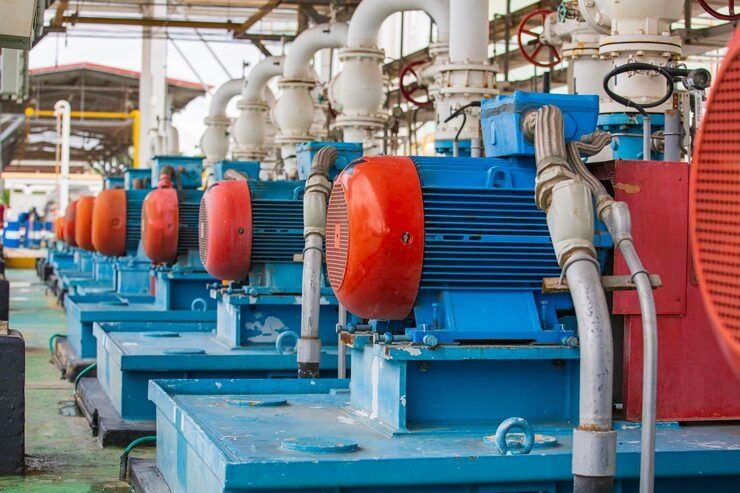
Industrial motors are electromechanical machines that convert electrical energy into mechanical motion for equipment, production systems, pumps, compressors, conveyors, fans, machine tools, and automated machinery. They are fundamental components across manufacturing, processing, infrastructure, energy, transportation, and material-handling operations.
Modern industrial motors include induction motors, synchronous motors, permanent magnet motors, brushless DC motors, servo motors, and specialized designs. Their selection depends on factors such as power rating, speed, torque, voltage, duty cycle, efficiency, environmental conditions, and control requirements.
Context
What Are Industrial Motors?
An industrial motor uses electromagnetic principles to produce rotational or linear mechanical movement. In many industrial installations, motors operate continuously or repeatedly under demanding loads.
Motor systems normally include more than the motor itself. Controllers, variable frequency drives (VFDs), sensors, gearboxes, brakes, couplings, and protection devices may work together to create a complete drive system.
Major Industrial Motor Technologies
Several motor technologies are used across industrial applications.
AC Induction Motors
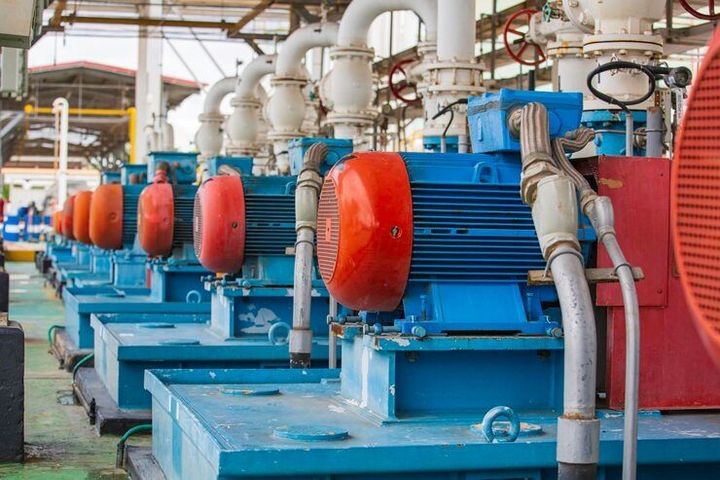
AC induction motors are widely used in industrial machinery because of their relatively simple construction and suitability for continuous operation. Three-phase induction motors are common in pumps, fans, compressors, conveyors, and processing equipment.
Synchronous Motors
Synchronous motors operate at a speed synchronized with the electrical supply frequency. They can be used where precise speed characteristics or power-factor management are important.
Permanent Magnet Motors
Permanent magnet motors use permanent magnets to generate part of the magnetic field. Their construction can support high efficiency and compact designs in applications where motor size and energy performance are important.
Brushless DC Motors
Brushless DC motors use electronic commutation rather than mechanical brushes. They are used in automation equipment, cooling systems, robotics, instrumentation, and other applications requiring controlled rotation.
Servo Motors
Servo motors are designed for controlled motion, positioning, acceleration, and torque. They are commonly integrated into CNC equipment, robotics, packaging machinery, assembly systems, and automated production lines.
Key Motor Components
An industrial motor normally contains several major components.
| Component | Primary Function | Typical Material or Technology |
|---|---|---|
| Stator | Creates stationary magnetic field | Laminated electrical steel |
| Rotor | Produces rotating motion | Steel, conductors or magnets |
| Bearings | Supports rotating shaft | Bearing steel |
| Shaft | Transfers mechanical torque | Alloy steel |
| Windings | Carry electrical current | Copper or aluminum conductors |
| Housing | Protects internal components | Cast iron, aluminum or steel |
| Cooling System | Controls operating temperature | Fan, fins or liquid cooling |
| Insulation | Separates electrical conductors | Polymer and insulation materials |
The exact construction varies according to motor type, power rating, environmental requirements, and application.
Importance
Why Industrial Motors Matter
Motors provide the mechanical movement required by a large range of industrial processes. A motor may drive a pump that moves fluid, a compressor that generates pressurized gas, a conveyor that transports materials, or a machine tool that performs precision operations.
Because motors can operate for long periods, their electrical and mechanical characteristics can influence overall equipment performance.
Industrial Motor Manufacturing Processes
Industrial motor manufacturing combines electrical, mechanical, and precision-engineering processes.
Electrical Steel Processing
Motor cores commonly use thin electrical-steel laminations. The material is cut or stamped into specific shapes and stacked to form the stator and rotor cores.
Laminated construction helps reduce certain electrical losses associated with changing magnetic fields.
Winding
Copper or aluminum conductors are formed into coils and inserted into stator slots. Automated winding equipment can be used for high-volume manufacturing, while specialized motors may require more customized winding processes.
The winding arrangement depends on motor design, voltage, frequency, and performance requirements.
Rotor Manufacturing
Rotor construction varies according to motor technology. Induction motors may use conductive rotor bars, while permanent magnet motors incorporate magnets into or onto the rotor structure.
Rotor balancing is important because imbalance can contribute to vibration and mechanical stress during operation.
Assembly
The stator, rotor, bearings, shaft, housing, cooling components, terminal assembly, and other parts are brought together during final assembly.
Manufacturers may use automated production equipment, precision measurement systems, electrical testing equipment, and mechanical inspection tools.
Testing
Industrial motors can undergo multiple tests before shipment. These may include electrical resistance measurements, insulation testing, vibration analysis, temperature evaluation, speed testing, and load testing.
Testing requirements vary according to motor type, applicable standards, manufacturer procedures, and customer specifications.
Motor Efficiency and Performance
Motor performance is influenced by electrical losses, mechanical losses, operating conditions, load profile, cooling, and control methods.
Efficiency classifications are used in many markets to distinguish motor designs according to energy performance. Higher-efficiency designs may be considered where motors operate for long periods or where energy consumption is an important operational consideration.
Variable Frequency Drives
Variable frequency drives control motor speed by adjusting electrical frequency and voltage. VFDs are commonly used with AC motors in applications where variable speed is needed.
A drive system can regulate equipment output according to process requirements. For example, pump and fan systems may adjust motor speed instead of operating continuously at a fixed speed.
Global Manufacturers and Suppliers
Industrial motors are produced by manufacturers serving different application segments and geographic markets. Product portfolios can range from general-purpose motors to specialized motors for hazardous environments, high-temperature conditions, precision motion, marine equipment, and heavy industrial machinery.
Suppliers may provide motors directly, through authorized distribution networks, or as part of integrated automation and drive packages.
When evaluating industrial motor manufacturers and suppliers, organizations commonly examine:
- Motor technology and power range
- Voltage and frequency compatibility
- Efficiency classification
- Environmental protection rating
- Thermal performance
- Available control systems
- Documentation and certification
- Spare-component availability
- Testing and quality procedures
- Application-specific engineering support
Selection should be based on the technical requirements of the application rather than brand recognition alone.
Industrial Applications
Industrial motors are used across a broad range of equipment.
Pumps
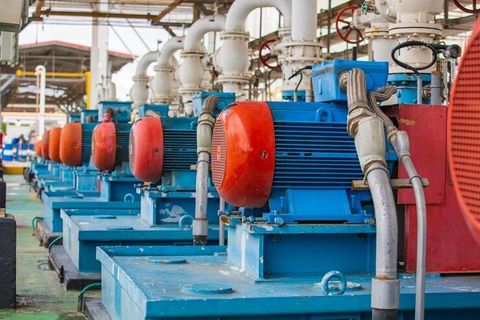
Centrifugal, positive-displacement, and process pumps use motors to move water, chemicals, oil, wastewater, and other fluids.
Compressors
Motors drive compressors used for air, refrigeration, process gases, and industrial pneumatic systems.
Conveyors
Material-handling systems use motors to move products, raw materials, packages, minerals, and components through production facilities.
Fans and Blowers
Industrial fans and blowers use motors for ventilation, cooling, combustion air, dust collection, and process-air movement.
Machine Tools
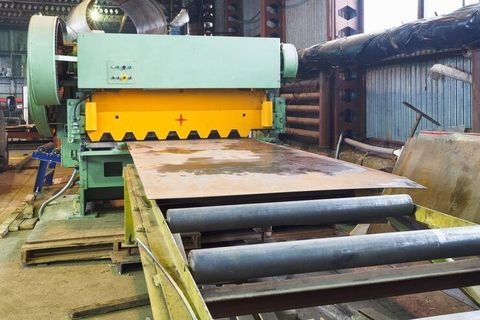
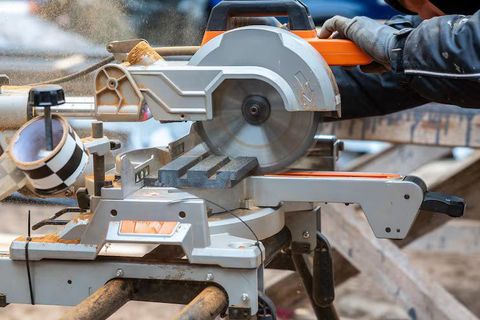
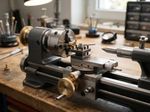
CNC machines, grinders, milling equipment, lathes, and other machine tools use specialized motor systems for spindle and axis movement.
Robotics and Automation
Servo and other controlled motors enable robotic arms, automated assembly equipment, packaging machines, and motion-control systems.
Processing Equipment
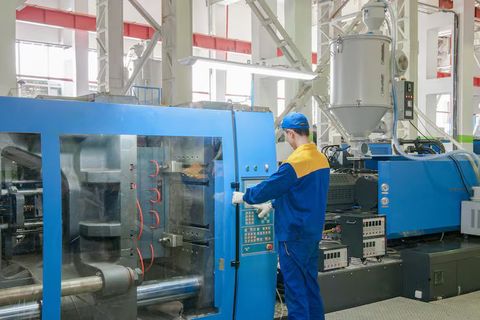
Mixers, agitators, extruders, crushers, mills, and other process machines depend on motor-driven mechanical movement.
Recent Updates
Smart Motor Monitoring
Modern motor systems increasingly incorporate sensors that monitor variables such as vibration, temperature, current, speed, and operating hours.
The resulting data can be analyzed to identify changes in operating conditions and support maintenance planning.
Predictive Maintenance
Motor monitoring can contribute to predictive maintenance programs. Vibration, temperature, electrical signatures, and other measurements may reveal changes associated with bearing wear, imbalance, misalignment, insulation deterioration, or other conditions.
Maintenance teams can use these indicators alongside physical inspections and established maintenance procedures.
Digital Motor Controllers
Digital controllers provide more detailed monitoring and control than traditional electromechanical arrangements. Depending on the system, operators may obtain information about current, voltage, thermal conditions, faults, speed, and operating status.
High-Efficiency Motor Designs
Motor development continues to focus on reducing electrical and mechanical losses. Permanent magnet technologies, improved magnetic materials, optimized winding configurations, and advanced cooling arrangements are among the approaches used in modern motor design.
Integration With Industrial Automation
Motors increasingly operate as part of connected automation architectures. A motor, drive, programmable logic controller, sensors, and supervisory software can exchange operational information through industrial communication networks.
This integration can support centralized monitoring and more coordinated equipment control.
Laws or Policies
Electrical Safety
Industrial motor installations need to follow applicable electrical safety requirements. These may address wiring, grounding, overload protection, short-circuit protection, isolation, control panels, and installation practices.
Requirements vary according to country, facility type, electrical system, and motor application.
Energy Efficiency Requirements
Some jurisdictions establish minimum efficiency requirements for certain categories of electric motors. Organizations should verify the regulations and efficiency classifications applicable to the motor type and installation location.
Environmental Protection
Motor enclosures are selected according to environmental conditions such as dust, moisture, chemicals, temperature, and outdoor exposure.
Ingress protection ratings can help describe enclosure resistance to solid particles and water under standardized testing conditions.
Hazardous Locations
Motors installed in environments containing potentially explosive gases, vapors, or combustible dust may require specific equipment classifications and protection methods.
The appropriate motor design depends on the hazardous-area classification, operating environment, and applicable electrical safety standards.
Quality and Testing Standards
Industrial motors may be designed and tested according to recognized electrical and mechanical standards. Organizations should verify the standards referenced in technical specifications, procurement documents, and regulatory requirements.
Tools and Resources
Motor Selection Software
Motor selection tools can help engineers compare power ratings, speed ranges, torque characteristics, dimensions, mounting arrangements, and electrical specifications.
Variable Frequency Drive Calculators
Drive-selection tools can assist with matching a VFD to motor voltage, current, power, overload requirements, and operating conditions.
Condition Monitoring Systems
Vibration sensors, thermal monitoring equipment, current analysis systems, and motor protection relays can provide operational information for maintenance teams.
Engineering Documentation
Motor datasheets, performance curves, wiring diagrams, installation manuals, efficiency information, dimensional drawings, and test documentation are important resources during equipment selection and installation.
Maintenance Records
Historical operating information can help organizations identify recurring issues and determine appropriate inspection intervals. Records may include vibration measurements, bearing replacement history, electrical tests, operating hours, and recorded faults.
FAQs
What are industrial motors used for?
Industrial motors provide mechanical movement for pumps, compressors, conveyors, fans, machine tools, mixers, crushers, robotics, packaging systems, and many other types of equipment.
What is the difference between induction and synchronous motors?
Induction motors generate rotor current through electromagnetic induction, while synchronous motors operate with the rotor synchronized to the rotating magnetic field. Their operating characteristics and application requirements differ.
How are industrial motors manufactured?
Manufacturing can include electrical-steel lamination, core assembly, winding, rotor production, shaft machining, balancing, housing production, final assembly, electrical testing, and performance verification.
What is a variable frequency drive?
A variable frequency drive is an electronic controller that regulates the frequency and voltage supplied to an AC motor. It can control motor speed and support process control in many applications.
What factors affect industrial motor selection?
Important factors include motor power, torque, speed, voltage, frequency, duty cycle, load characteristics, environmental conditions, enclosure requirements, efficiency, control method, and applicable standards.
Conclusion
Industrial motors form the mechanical foundation of many automated and process-based industrial systems. Technologies such as induction motors, synchronous motors, permanent magnet motors, brushless DC motors, and servo motors address different operating and control requirements.
Manufacturing involves precision electrical and mechanical processes, including core production, winding, rotor assembly, balancing, enclosure construction, and testing. Modern motor systems increasingly incorporate variable frequency drives, sensors, digital controllers, and condition-monitoring technologies.
For industrial applications, appropriate motor selection requires consideration of the mechanical load, electrical supply, operating environment, control requirements, efficiency, maintenance approach, and applicable standards. Understanding these factors helps engineers and facility teams develop motor systems suited to their specific equipment and operating conditions.