Industrial Plastic Molding Explained: Molding Technologies, Manufacturing Processes, Machines, Global Manufacturers, Suppliers and Industrial Applications
Industrial plastic molding is a manufacturing approach used to produce plastic components by shaping polymer materials through controlled heat, pressure, cooling, or mechanical force. It supports the production of parts ranging from small precision components to large structural products used in automotive, packaging, electronics, medical, construction, and industrial equipment.
Modern plastic molding combines specialized machines, molds, process controls, material engineering, and automation. Different molding technologies are selected according to polymer characteristics, component geometry, production volume, dimensional requirements, and application conditions.
Context
What Is Industrial Plastic Molding?
Industrial plastic molding involves transforming polymer materials into predetermined shapes using a mold or forming tool. Thermoplastic and thermosetting materials can be processed through different methods depending on their chemical and physical characteristics.
The molding cycle generally involves material preparation, forming, cooling or curing, part removal, and inspection. Process parameters such as temperature, pressure, injection speed, cooling time, and material moisture can influence the resulting component.
Major Plastic Molding Technologies
Several molding technologies are used across industrial manufacturing.
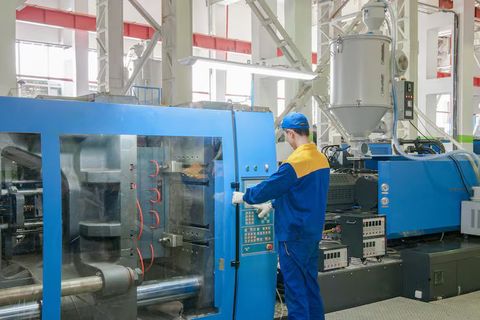
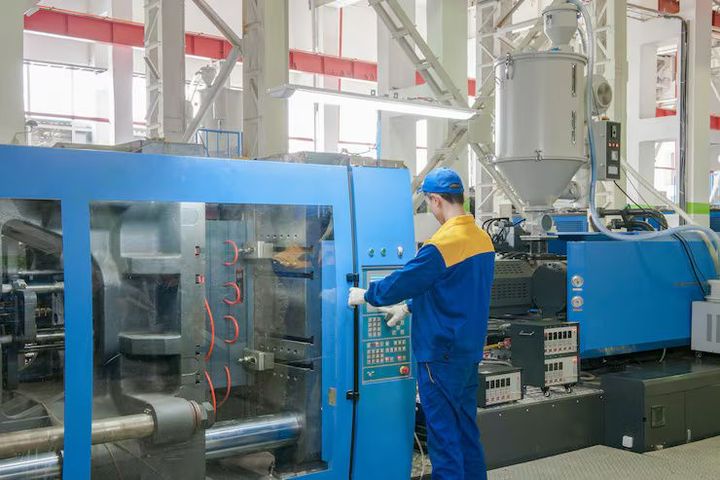
Injection molding forces molten plastic into a mold cavity under controlled pressure. After cooling, the solidified component is removed. It is widely used for housings, automotive components, electrical parts, packaging products, and precision components.
Blow molding forms hollow plastic products by expanding heated polymer inside a mold. Common applications include bottles, containers, tanks, and other hollow structures.
Compression molding places material into an open mold before applying heat and pressure. It is frequently associated with thermosetting polymers and composite materials.
Rotational molding uses heat and rotation to distribute polymer material around the internal surface of a mold. It is suitable for producing large hollow products such as tanks, containers, and equipment housings.
Thermoforming heats a plastic sheet and forms it over a mold using vacuum, pressure, or mechanical assistance. Packaging trays, panels, covers, and interior components can be manufactured using this approach.
Transfer molding moves polymer material into heated mold cavities through a transfer mechanism. It is used for certain electrical, electronic, and engineered polymer components.
Industrial Plastic Molding Machines
Plastic molding machines are designed around the specific forming process.
| Machine Type | Primary Process | Typical Applications |
|---|---|---|
| Injection Molding Machine | Injection molding | Housings, components, closures |
| Blow Molding Machine | Blow molding | Bottles, tanks, containers |
| Compression Molding Machine | Compression molding | Composite and molded parts |
| Rotational Molding Machine | Rotational molding | Tanks, bins, hollow products |
| Thermoforming Machine | Sheet forming | Trays, panels, packaging |
| Transfer Molding Machine | Transfer molding | Electrical and engineered parts |
| Extrusion Blow Molding Machine | Extrusion and blowing | Bottles and containers |
Machine configuration can include hydraulic, electric, or hybrid drive systems. Modern equipment may also include automated material handling, process sensors, robotic part removal, and computerized control systems.
Materials Used in Plastic Molding
Material selection depends on mechanical properties, temperature exposure, chemical resistance, dimensional requirements, appearance, and application conditions.
Common thermoplastics include:
- Polyethylene (PE)
- Polypropylene (PP)
- Polystyrene (PS)
- Polyvinyl chloride (PVC)
- Acrylonitrile butadiene styrene (ABS)
- Polyamide (PA)
- Polycarbonate (PC)
- Polyethylene terephthalate (PET)
- Polyoxymethylene (POM)
- Polyether ether ketone (PEEK)
Thermosetting materials and reinforced polymers are also used where specific thermal, mechanical, or electrical properties are required.
Importance
Why Industrial Plastic Molding Matters
Plastic molding enables manufacturers to produce complex shapes with repeatable dimensions. The process can incorporate features such as ribs, bosses, channels, clips, threads, and other geometric elements directly into a molded component.
For high-volume production, automated molding systems can coordinate material preparation, forming, cooling, part removal, inspection, and packaging-related activities.
Manufacturing Process
A typical injection molding workflow includes several stages.
Material Preparation
Plastic pellets or other feedstock are prepared before entering the machine. Certain polymers require drying to reduce moisture-related defects during processing.
Melting and Plasticizing
The molding machine heats the polymer while a screw or other mechanism moves and prepares the material for forming.
Mold Filling
In injection molding, molten polymer enters the mold cavity through a controlled injection sequence. Pressure and flow conditions influence how completely the cavity fills.
Packing and Cooling
Additional pressure may be applied to compensate for material shrinkage. Cooling then allows the molded component to develop sufficient rigidity for removal.
Ejection and Inspection
The finished component is removed from the mold. Automated or manual inspection can evaluate dimensions, surface characteristics, weight, and other specified properties.
Mold Design
The mold is one of the central elements of industrial plastic molding. Mold design affects part quality, cycle time, material flow, cooling behavior, and maintenance requirements.
Common mold components include:
- Cavities and cores
- Sprue and runner systems
- Gates
- Ejector systems
- Cooling channels
- Guide components
- Inserts
- Venting features
Computer-aided design and simulation tools can help engineers analyze filling, cooling, warpage, and other process characteristics before physical production.
Automation in Plastic Molding
Automation can connect molding machines with robots, conveyors, dryers, material loaders, inspection cameras, and manufacturing execution systems.
Robotic systems may remove parts from molds, place components into secondary operations, or transfer products between process stages. Sensors can monitor temperature, pressure, cycle time, material conditions, and machine status.
Global Manufacturers and Suppliers
The industrial plastic molding ecosystem includes machine manufacturers, mold makers, polymer producers, automation companies, component manufacturers, and engineering organizations.
Manufacturers and suppliers can specialize in areas such as:
- Injection molding machinery
- Blow molding equipment
- Thermoforming systems
- Industrial molds and tooling
- Polymer materials
- Machine components
- Robotics
- Process monitoring systems
- Inspection equipment
- Material handling equipment
When evaluating equipment or manufacturing partners, organizations commonly examine machine specifications, mold compatibility, production requirements, material support, automation capabilities, maintenance arrangements, and technical documentation.
Industrial Applications
Plastic molding is used across a wide range of industries.
Automotive: Interior panels, connectors, housings, clips, fluid-handling components, and structural polymer parts.
Electronics: Enclosures, connectors, switches, protective housings, and insulation components.
Medical manufacturing: Certain device housings, laboratory components, disposable components, and precision molded parts, subject to applicable regulatory controls.
Packaging: Bottles, caps, containers, trays, closures, and protective packaging components.
Construction: Pipes, fittings, panels, insulation components, and other polymer-based products.
Consumer products: Appliance components, storage products, household products, and recreational equipment.
Industrial equipment: Covers, housings, handles, gears, seals, protective components, and machine elements.
Recent Updates
Electric Injection Molding
Electric injection molding machines use electric drive systems for several machine movements. Depending on machine design, these systems can provide precise control of injection, clamping, and other operating parameters.
Energy consumption, repeatability, noise characteristics, and process control are among the factors considered when comparing electric and hydraulic equipment.
Smart Manufacturing
Industrial plastic molding is increasingly connected with Industry 4.0 systems. Machines can generate operational data covering cycle times, temperatures, pressures, alarms, energy use, and production conditions.
Manufacturing execution systems can use this information to track production activities and support process analysis.
Artificial Intelligence and Machine Vision
Machine vision systems can inspect molded components for dimensional or surface-related characteristics. AI-based image analysis can assist with identifying patterns in inspection data, although system performance depends on image quality, training data, lighting, and application design.
Predictive analytics can also be used to analyze machine information and identify unusual operating patterns that may require technical investigation.
Sustainable Polymer Processing
Manufacturers are examining recycled polymers, bio-based materials, lightweight designs, and improved process efficiency. Material selection can influence recyclability, durability, energy requirements, and end-of-life management.
Design-for-recycling principles can also influence the choice of polymer combinations, additives, coatings, and component structures.
Advanced Molding Technologies
Multi-material molding, insert molding, micro injection molding, gas-assisted injection molding, and foam injection molding provide additional options for specialized applications.
These approaches can reduce assembly requirements, produce complex geometries, or modify component weight and structural characteristics depending on the application.
Laws or Policies
Workplace Safety
Plastic molding facilities involve heated materials, moving machinery, electrical equipment, hydraulic systems, and automated equipment. Appropriate machine guarding, emergency controls, lockout procedures, personal protective equipment, and operator training are important elements of industrial safety programs.
Specific requirements vary by jurisdiction and workplace activity.
Product and Material Requirements
Plastic components may need to comply with material, chemical, electrical, food-contact, medical, automotive, or other application-specific requirements.
The relevant requirements depend on the product's intended use, material composition, market, and regulatory environment.
Environmental Considerations
Plastic manufacturing can involve polymer waste, process emissions, energy consumption, cooling water, and auxiliary chemicals. Facilities may therefore be subject to environmental requirements concerning waste management, emissions, water use, and material handling.
Quality Management
Manufacturers may use documented quality systems, process validation, dimensional inspection, traceability, and statistical process monitoring to maintain consistent production.
For regulated applications, additional validation and documentation requirements may apply.
Tools and Resources
CAD and Mold Simulation
CAD software is used to develop component and mold designs. Mold-flow simulation can help evaluate polymer filling, pressure distribution, cooling, weld-line formation, shrinkage, and potential deformation.
Process Monitoring
Modern molding machines can collect information from sensors positioned around the machine and mold. Typical parameters include:
- Injection pressure
- Melt temperature
- Mold temperature
- Screw position
- Cycle duration
- Cooling duration
- Clamping force
Monitoring these variables can help identify deviations from established process conditions.
Quality Inspection Equipment
Coordinate measuring machines, optical inspection systems, gauges, weight measurement equipment, and machine vision can be used to evaluate molded components.
The appropriate inspection method depends on the component's geometry, tolerance requirements, material, and application.
Material Handling Equipment
Dryers, loaders, hoppers, gravimetric feeders, mixers, and conveying systems help prepare and transport polymer materials.
Proper material handling can be particularly important for polymers that are sensitive to moisture or require controlled blending.
FAQs
What is industrial plastic molding?
Industrial plastic molding is a manufacturing process that shapes polymer materials into predetermined forms using technologies such as injection molding, blow molding, compression molding, rotational molding, and thermoforming.
Which machines are used for plastic molding?
Common machines include injection molding machines, blow molding machines, compression molding machines, rotational molding machines, thermoforming equipment, and transfer molding machines.
What plastics are used in industrial molding?
Common materials include PE, PP, ABS, PVC, PET, PA, PC, POM, and engineering polymers such as PEEK. Material selection depends on mechanical, thermal, chemical, electrical, and dimensional requirements.
How does injection molding work?
Plastic material is prepared and heated, then injected into a mold cavity under controlled pressure. The material cools and solidifies before the molded component is ejected.
What industries use industrial plastic molding?
Automotive, electronics, packaging, medical manufacturing, construction, consumer products, industrial equipment, and electrical industries use various plastic molding technologies.
Conclusion
Industrial plastic molding combines polymer materials, molds, specialized machinery, process controls, automation, and inspection systems to manufacture components in many shapes and sizes. Injection molding, blow molding, compression molding, rotational molding, and thermoforming each serve different production requirements.
Recent developments include electric molding machines, connected manufacturing systems, machine vision, AI-assisted process analysis, advanced materials, and greater attention to material efficiency. Selecting an appropriate molding technology requires consideration of material properties, component geometry, production volume, dimensional requirements, machine capabilities, quality controls, and applicable regulations.