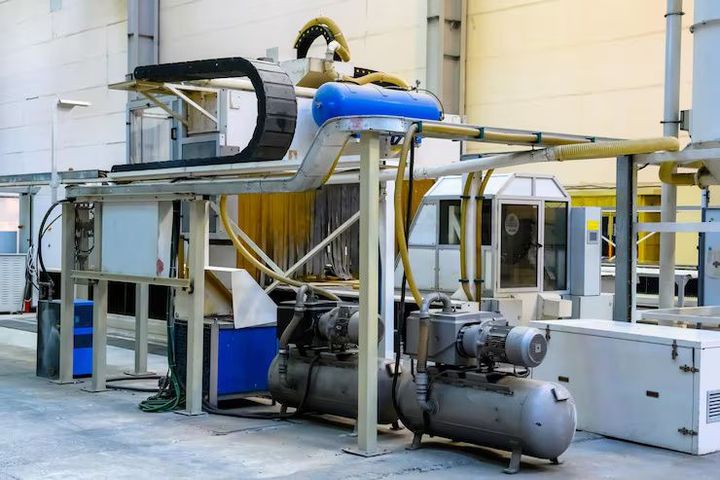
Industrial Rotary Screw Air Compressors Guide to Improving Plant Efficiency
Industrial rotary screw air compressors have become an essential part of modern manufacturing, supporting production lines that rely on a steady supply of compressed air.
From automotive assembly and food processing to pharmaceutical manufacturing and metal fabrication, these systems help power equipment that keeps operations moving efficiently.
As production facilities continue to focus on productivity, energy management, and operational reliability, compressed air systems have evolved into carefully engineered assets rather than simple utility equipment. Choosing the right compressor and maintaining it properly can significantly influence overall plant performance.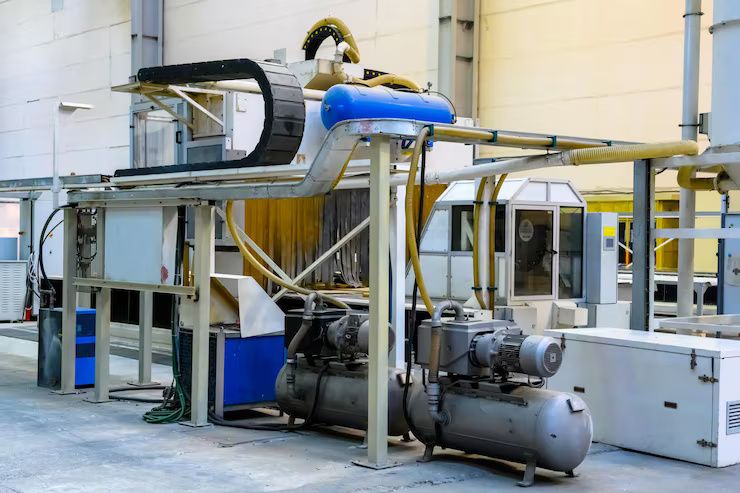
Understanding how industrial rotary screw air compressors function, where they fit within production systems, and which operating practices contribute to efficient performance helps facility managers, engineers, and maintenance teams make informed decisions that support long-term operational goals.
Why Rotary Screw Air Compressors Are Widely Used
Unlike reciprocating compressors that compress air using pistons, rotary screw compressors use two precisely machined interlocking rotors. As the rotors turn, air is drawn into the compression chamber, compressed smoothly, and delivered continuously to the plant's distribution network.
This continuous compression process produces a stable airflow with minimal pressure fluctuations, making rotary screw compressors particularly suitable for facilities that require uninterrupted operation throughout multiple production shifts.
Their relatively quiet operation, compact design, and ability to support demanding industrial workloads have made them one of the most commonly installed compressed air solutions across manufacturing sectors.
How Compressed Air Supports Plant Efficiency
Compressed air is often described as the fourth utility in industrial facilities, alongside electricity, water, and natural gas. Numerous production systems depend on reliable compressed air to operate safely and consistently.
Typical applications include:
- Pneumatic automation equipment and robotic production systems.
- Material handling equipment used throughout manufacturing facilities.
- Packaging, filling, and assembly machinery.
- Surface finishing, painting, and coating operations.
- Process control valves and instrumentation.
When compressed air is delivered consistently at the required pressure, production equipment operates more predictably, reducing interruptions and supporting smoother workflows.
Selecting the Right Compressor for Production Needs
Not every production facility has identical compressed air requirements. Choosing equipment begins with understanding how much air is required and how demand changes throughout daily operations.
Important considerations include operating pressure, airflow capacity, duty cycle, environmental conditions, available installation space, and future production expansion.
Oversized compressors may consume unnecessary energy, while undersized systems can struggle to maintain adequate pressure during peak production periods. Proper system sizing helps balance operational reliability with efficient energy use.
Features That Improve Operational Performance
Modern industrial rotary screw compressors incorporate technologies designed to improve both productivity and equipment reliability.
Many systems include intelligent electronic controllers that continuously monitor operating conditions, allowing maintenance personnel to track performance and identify developing issues before they become major failures.
Variable speed drive technology has also become increasingly common. Rather than operating continuously at full capacity, these compressors automatically adjust motor speed according to plant demand, reducing unnecessary energy consumption during periods of lower air usage.
Integrated monitoring systems further improve operational visibility by recording pressure, temperature, operating hours, and maintenance intervals.
Maintenance Practices That Support Long-Term Efficiency
Routine maintenance remains one of the most effective ways to preserve compressor performance throughout its operating life.
A well-planned maintenance program typically includes regular inspection of filters, lubricants, cooling systems, belts, hoses, seals, and air intake components. These routine checks help prevent contaminants from entering the compression chamber while maintaining efficient airflow.
Cooling systems also require consistent attention. Dust accumulation on heat exchangers or blocked ventilation paths can increase operating temperatures, reducing efficiency and placing additional stress on internal components.
Scheduled oil analysis, where appropriate, provides additional insight into equipment condition and may identify wear before mechanical failures occur.
Reducing Energy Consumption Across Compressed Air Systems
Energy represents one of the largest operating considerations for industrial compressed air systems. Improving efficiency often involves evaluating the entire compressed air network rather than focusing solely on the compressor itself.
Several operational practices contribute to better energy performance:
- Repair air leaks throughout piping systems and production equipment.
- Maintain clean intake filters to reduce airflow restrictions.
- Match compressor capacity with actual production demand.
- Monitor system pressure to avoid unnecessary over-pressurization.
- Perform routine inspections of dryers, receivers, and distribution piping.
Even relatively small improvements in system efficiency can reduce energy consumption over extended operating periods while supporting more stable production performance.
The Importance of Air Quality
Many industrial applications require compressed air that is not only available but also clean and dry.
Moisture, oil aerosols, and airborne contaminants may affect sensitive manufacturing processes, particularly within food processing, pharmaceutical production, electronics manufacturing, and precision machining.
Air treatment equipment, including refrigerated dryers, desiccant dryers, particulate filters, and oil separation systems, helps maintain compressed air quality appropriate for specific industrial applications.
Proper air treatment also reduces corrosion within piping systems and extends the service life of downstream pneumatic equipment.
Integrating Compressors Into Modern Manufacturing Systems
Industrial facilities increasingly integrate compressed air systems with broader plant monitoring platforms.
Digital monitoring enables maintenance teams to evaluate equipment performance remotely while tracking operating trends over time. Information such as pressure stability, energy consumption, operating temperatures, and maintenance schedules becomes easier to manage through centralized monitoring systems.
This approach supports predictive maintenance strategies by identifying unusual operating conditions before they develop into unexpected equipment failures.
Facilities pursuing smart manufacturing initiatives often view compressor monitoring as one component of a larger industrial automation strategy.
Evaluating Compressor Performance
Several performance indicators help determine whether a compressed air system is operating efficiently.
| Performance Indicator | Operational Importance |
|---|---|
| Airflow Capacity | Ensures production equipment receives sufficient compressed air. |
| Operating Pressure | Maintains consistent pneumatic system performance. |
| Energy Consumption | Reflects overall operating efficiency. |
| Temperature Stability | Indicates effective cooling and reliable operation. |
| Maintenance Frequency | Helps assess long-term equipment reliability. |
| Air Quality | Protects downstream equipment and manufacturing processes. |
Regular evaluation of these indicators allows maintenance teams to identify opportunities for continuous improvement.
Frequently Asked Questions
Why are rotary screw compressors preferred for industrial applications?
They provide continuous compressed air, operate efficiently during extended production periods, and support stable pressure for automated manufacturing equipment.
How often should industrial compressors be maintained?
Maintenance schedules vary by manufacturer and operating conditions, but routine inspections, filter replacement, lubricant changes, and system cleaning should follow recommended service intervals.
Can compressor efficiency affect overall plant productivity?
Yes. Stable compressed air supports consistent equipment operation, while inefficient systems may increase downtime, energy consumption, and maintenance requirements.
Why is compressed air quality important?
Clean, dry compressed air protects pneumatic equipment, reduces contamination risks, and supports reliable operation across sensitive manufacturing processes.
Conclusion
Industrial rotary screw air compressors play a critical role in maintaining efficient manufacturing operations by delivering reliable compressed air for a wide range of production systems. Careful equipment selection, regular maintenance, effective energy management, and continuous performance monitoring all contribute to improved plant efficiency and long-term operational reliability. Understanding these principles helps organizations build compressed air systems that support productivity while adapting to the evolving demands of modern industrial environments.