Industrial Shredder Machine Guide: Uses, Shredding Processes, Shredder Types and Selection Factors
An Industrial Shredder Machine is used to reduce large, bulky, or difficult materials into smaller pieces that are easier to handle, process, transport, or recycle. These machines are used across manufacturing, waste management, recycling, agriculture, construction, packaging, and several other industrial environments. Depending on the material and required output.
Industrial shredding is different from simple cutting because the material may be processed continuously and can vary greatly in size, shape, density, and composition. A suitable machine depends on factors such as material type, feed size, required particle size, throughput, operating conditions, and maintenance requirements. Understanding these elements provides a useful foundation for evaluating an Industrial Shredder Machine.
Context of Industrial Shredder Machines
What is an industrial shredder machine?
An Industrial Shredder Machine is mechanical equipment designed to reduce materials into smaller pieces through controlled force. The machine may tear, shear, cut, or break material as it passes through a processing chamber.
Shredders are commonly used when material is too large or unsuitable for direct handling. For example, bulky plastic products can be reduced into smaller fragments before additional processing, while discarded wood can be reduced into pieces suitable for further material handling.
The basic arrangement usually includes a feeding area, shredding chamber, cutting mechanism, drive system, frame, and discharge area. Some machines also include screens, conveyors, sensors, control systems, or automatic protection mechanisms.
Where industrial shredding comes from
Mechanical size reduction has been used for many years in manufacturing and material processing. Early industrial equipment relied heavily on basic cutting and crushing mechanisms, while modern systems can incorporate automated controls, variable-speed drives, monitoring sensors, and specialized cutting configurations.
The development of industrial shredders has been influenced by the need to process increasingly diverse materials. Modern facilities may handle plastics, rubber, textiles, electronic components, packaging materials, wood, agricultural residues, and other industrial waste streams.
How an industrial shredder works
The shredding process begins when material enters the feeding system. Rotating cutting components then apply mechanical force to the material.
Depending on the design, the material may pass through the cutting area several times until it reaches the desired size. A screen can be used in some systems to control the maximum particle size leaving the machine.
A simplified process looks like this:
- Material feeding: The material enters through a hopper or feeding mechanism.
- Primary shredding: Cutting components apply force and reduce the material.
- Size control: Screens or other mechanisms influence the output size.
- Discharge: Processed material leaves the shredding chamber.
- Further processing: Material may move to sorting, separation, washing, compacting, or another processing stage.
Importance of Industrial Shredding
Industrial shredding plays an important role in material handling because many materials are difficult to manage in their original form. Large objects can occupy considerable storage space, while mixed or bulky materials may require size reduction before they can move through another processing stage.
Supporting material processing
A properly configured shredder can prepare material for subsequent operations. Smaller pieces can be easier to convey, sort, separate, compact, or process.
For example, a recycling facility may shred plastic products before additional separation and processing. A wood-processing operation may reduce large pieces of timber or wood residue into smaller fractions for subsequent handling.
Handling different materials
Industrial shredders can be designed around specific material characteristics. Common applications include:
- Plastic products and production scrap
- Rubber and certain rubber-based materials
- Wood and forestry residues
- Paper and cardboard
- Textiles and fabric waste
- Packaging materials
- Agricultural residues
- Certain electronic waste streams
- Manufacturing scrap
- Bulky municipal waste
The suitability of a particular shredder depends on the physical properties of the material. Hardness, moisture, thickness, elasticity, abrasiveness, and contamination can all influence machine performance.
Reducing material volume
Shredding can change the physical form of bulky material and may make subsequent handling more manageable. However, the amount of volume reduction depends on the material, machine configuration, and output requirements.
Shredding should therefore be viewed as one stage within a broader material-processing system rather than as a universal solution for every type of waste.
Types of Industrial Shredder Machines
Different Industrial Shredder Machine designs are intended for different operating conditions. The main differences involve cutting mechanisms, shaft arrangements, drive systems, and the degree of size reduction required.
Single-shaft shredders
Single-shaft shredders generally use one rotating rotor equipped with cutting tools. A screen is often positioned beneath or around the rotor to influence the size of discharged material.
These machines can be used for various plastics, wood, production residues, and other materials where controlled size reduction is required.
Double-shaft shredders
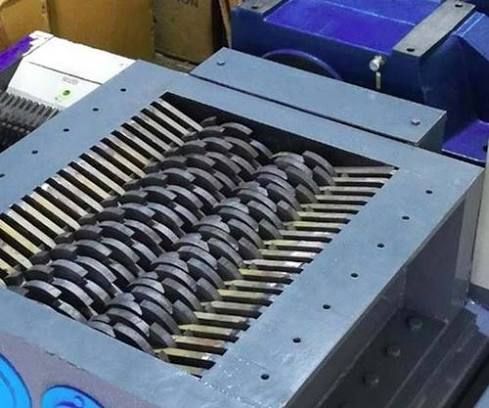
Double-shaft shredders use two rotating shafts with interlocking cutting elements. The shafts typically pull material into the cutting area while applying shear forces.
This configuration can be suitable for bulky and mixed materials. The output can vary according to cutter design, material properties, and operating conditions.
Four-shaft shredders
Four-shaft systems use multiple cutting shafts and can provide more controlled material reduction. Their configuration can make them suitable for applications requiring relatively consistent output sizing.
They are often considered where material needs multiple stages of cutting within one machine arrangement.
Hammer-based shredders
Hammer shredders use rapidly moving components to impact and break material. They can be used for materials that respond well to impact-based size reduction.
The operating principle differs from shear-based shredders, making material characteristics particularly important when selecting this configuration.
Granulators and shredders
Shredders and granulators both reduce material size, but their operating principles and typical output requirements can differ. Granulators commonly produce smaller and more uniform particles, while shredders are often used for initial reduction of larger or bulky materials.
In some processing lines, a shredder and granulator can work as separate stages.
Shredding Processes and Operating Factors
The physical process used inside an Industrial Shredder Machine depends on the cutting arrangement and material characteristics.
Shearing
Shearing occurs when cutting edges move against the material and separate it through applied force. This approach is common in machines using interlocking cutters or rotary knives.
Shearing can work effectively with materials that can be pulled into the cutting chamber and separated by controlled cutting forces.
Tearing
Tearing involves pulling and separating material rather than producing a clean cut. It can be useful for flexible or fibrous materials where stretching and mechanical separation occur during processing.
Impact
Impact-based processing uses forceful contact to break material into smaller fragments. The effectiveness of impact depends on factors such as hardness, brittleness, moisture, and material structure.
Compression and combined forces
Some shredding operations involve compression alongside cutting, tearing, or impact. Material may first be compressed or gripped before being forced against cutting components.
In practical applications, several mechanical forces can occur simultaneously rather than operating as completely separate processes.
Factors for Selecting an Industrial Shredder Machine
Selecting an Industrial Shredder Machine requires consideration of the complete application rather than only the machine's physical size.
Material characteristics
The first consideration is the material being processed. Important properties include:
- Material hardness
- Thickness
- Moisture content
- Density
- Elasticity
- Abrasiveness
- Contamination level
- Presence of metal or other foreign objects
A machine designed for soft plastic may not be suitable for highly abrasive materials, while a system intended for bulky waste may have different requirements from one processing thin production scrap.
Required output size
The intended particle size is another important factor. Some applications require coarse pieces, while others need considerably smaller fractions.
A screen can influence output sizing in some shredder designs. Smaller openings can affect throughput and may require different operating conditions, depending on the material and machine configuration.
Throughput requirements
Throughput refers to the amount of material processed during a given period. It is commonly expressed using units such as kilograms per hour or tonnes per hour.
The actual throughput can vary based on material density, feed consistency, particle size, moisture, cutter arrangement, and machine operating conditions. A rated capacity should therefore be interpreted in relation to the specific material being processed.
Feed size
Large and irregular materials may require a machine with a suitable hopper opening and robust cutting arrangement. If the feed opening is too small, material may require additional preparation before entering the shredder.
Power and drive arrangement
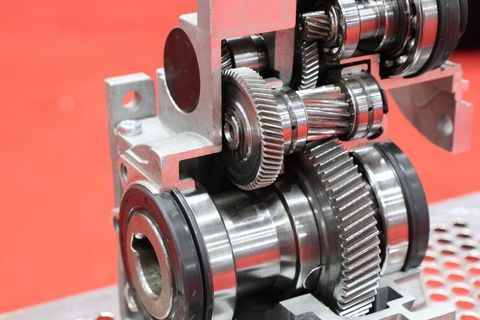
The drive system provides the mechanical force needed to rotate the cutting components. Motor capacity, gearbox arrangement, shaft speed, and torque characteristics all influence how the machine handles different materials.
Machines intended for tough or bulky materials may require different torque characteristics from equipment designed for lighter production residues.
Maintenance and safety
Cutting components experience wear during normal operation. Maintenance requirements can include cutter inspection, replacement of worn parts, lubrication, cleaning, and examination of drive components.
Safety features may include emergency stops, guards, access controls, overload protection, and systems that prevent operation when access doors are open. Operators should follow the manufacturer's instructions and applicable workplace safety requirements.
Recent Developments in Industrial Shredding
Industrial shredding technology has increasingly incorporated automation and monitoring capabilities. From 2024 through 2026, broader industrial trends have continued to emphasize energy management, process monitoring, material recovery, and automated equipment control.
Automation and monitoring
Modern shredding systems may incorporate sensors that monitor operating conditions such as motor load, temperature, rotor behavior, or material flow. Control systems can use this information to adjust machine operation or identify abnormal conditions.
Automation can also be integrated with conveyors, sorting equipment, and downstream processing machinery.
Energy awareness
Energy consumption has become an important consideration in industrial equipment planning. Shredder designs increasingly consider motor efficiency, variable-speed operation, load management, and machine configuration.
Actual energy use depends heavily on material characteristics and operating conditions, so general energy figures should not be treated as applicable to every installation.
Integration with recycling systems
Shredders are increasingly used as part of larger recycling and material-recovery systems. A typical line may combine shredding with conveying, magnetic separation, screening, air separation, washing, or other processing stages.
The purpose is to prepare materials for further separation and processing rather than simply reducing their physical size.
Laws or Policies Affecting Industrial Shredders
Industrial shredding is influenced by workplace safety rules, environmental regulations, waste-management requirements, and machinery standards. The exact requirements depend on the country, region, material being processed, and type of facility.
Workplace safety
Industrial facilities generally need procedures for machine guarding, emergency stopping, electrical safety, maintenance, and operator protection. Requirements can vary between jurisdictions.
Lockout and isolation procedures are particularly important during maintenance because cutting equipment can contain stored mechanical or electrical energy even after normal operation has stopped.
Waste management
Facilities processing waste may need to comply with rules governing storage, transportation, treatment, recycling, and disposal. Materials containing hazardous substances can be subject to additional requirements.
Before processing a particular waste stream, facilities should identify its classification and applicable regulatory requirements.
Machinery requirements
Industrial machinery may also be subject to requirements relating to guarding, electrical systems, controls, noise, documentation, and conformity assessment. The applicable framework depends on where the equipment is installed and operated.
Tools and Resources for Industrial Shredding
Several resources can help with planning and evaluating shredding operations.
Material specification sheets
A material specification sheet can document important properties such as density, moisture, dimensions, hardness, and contamination. This information can help engineers understand the processing requirements.
Capacity calculations
Basic throughput calculations can compare feed rates with operating hours and expected material flow. Actual results should account for interruptions, material variation, loading conditions, and machine limitations.
Maintenance checklists
A maintenance checklist can track cutter condition, bearings, drive components, lubrication points, electrical systems, guards, emergency stops, and cleaning activities.
Safety documentation
Equipment manuals, risk assessments, operating procedures, lockout instructions, and training records are important resources for industrial shredding environments.
FAQs
What is an Industrial Shredder Machine used for?
An Industrial Shredder Machine reduces bulky or difficult materials into smaller pieces. Applications include plastic processing, recycling, wood processing, packaging waste, manufacturing scrap, textiles, and agricultural residues.
What are the main types of Industrial Shredder Machines?
Common types include single-shaft, double-shaft, four-shaft, and hammer-based shredders. The appropriate configuration depends on material characteristics, feed size, required output, and processing conditions.
How does an Industrial Shredder Machine work?
Material enters a feeding area and moves into a cutting chamber. Rotating cutters, shafts, hammers, or other mechanisms apply mechanical forces that reduce the material before it exits the machine.
How do you select an Industrial Shredder Machine?
Important factors include material type, hardness, moisture, feed dimensions, required output size, throughput, drive characteristics, maintenance requirements, safety features, and integration with other processing equipment.
What materials can an industrial shredder process?
Depending on the machine configuration, industrial shredders can process materials such as plastics, wood, rubber, paper, cardboard, textiles, agricultural residues, packaging materials, and selected industrial waste streams. Material compatibility should always be checked before processing.
Conclusion
An Industrial Shredder Machine is a mechanical size-reduction system used across recycling, manufacturing, waste processing, agriculture, and other industrial applications. Shredder types differ in their shaft arrangements, cutting mechanisms, output characteristics, and suitability for different materials. Selection depends on material properties, feed size, required particle size, throughput, drive requirements, safety, and maintenance considerations. Current developments increasingly connect shredding equipment with automation, monitoring, energy management, and integrated material-processing systems.