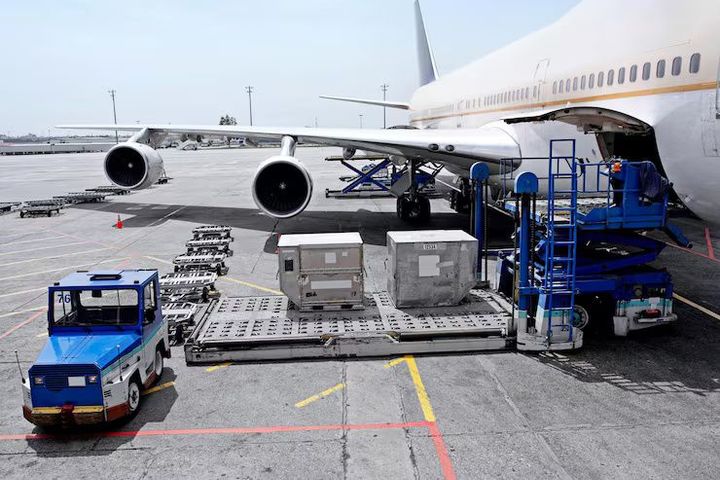
International Air Cargo Logistics Explore How Customs Clearance Works
International air cargo logistics depends on much more than moving freight from one airport to another. Between departure and final delivery, shipments must pass through documentation checks, security controls, customs procedures, and regulatory requirements that vary according to the countries involved.
Customs clearance is one of the most important stages because it determines whether imported or exported goods can legally move through a border. Errors in documentation, incorrect classification, missing permits, or incomplete declarations can delay a shipment even when the physical transportation process is operating normally.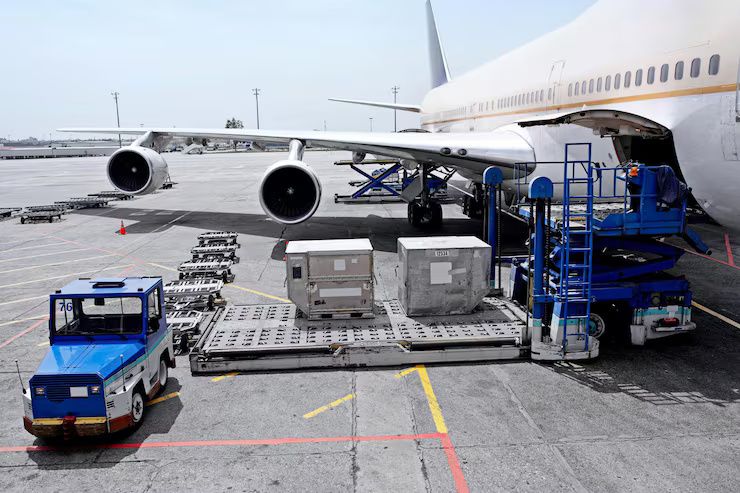
Understanding how customs clearance works gives shippers, logistics professionals, importers, and exporters a clearer view of what happens after an international air cargo shipment arrives at an airport. It also explains why accurate information, timely documentation, and coordination between multiple parties are essential to reliable cargo movement.
Why Customs Clearance Is Central to Air Cargo Logistics
Air freight is designed for speed, but customs procedures must still be completed before goods can enter or leave a country legally. Customs authorities examine shipments to determine whether they meet applicable laws concerning classification, documentation, taxation, safety, security, and prohibited or restricted goods.
The customs process therefore acts as both a regulatory checkpoint and a source of information about the movement of international goods. Authorities need to know what is being shipped, who is responsible for it, where it originated, where it is going, and how it should be classified.
Because air cargo frequently moves across several jurisdictions, each shipment may involve different documentary and regulatory requirements.
The Main Parties Involved in Clearance
Customs clearance is rarely handled by a single organization. Several participants may contribute information or complete specific responsibilities during the process.
The exporter prepares shipment information and commercial documentation. The carrier transports the cargo and provides transportation records. Customs authorities review declarations and supporting information, while freight forwarders or customs brokers may coordinate the paperwork and communication involved in the clearance process.
Importers and exporters remain responsible for ensuring that the information associated with their shipments is accurate and compliant with applicable requirements. Coordination between these participants can significantly reduce avoidable delays.
Documentation Required for an International Shipment
Documentation provides customs authorities with the information required to assess a shipment.
The exact documents vary according to the commodity, origin, destination, and regulatory environment, but common records may include:
- Commercial invoice
- Air waybill
- Packing list
- Import or export declaration
- Certificate of origin
- Permits or licenses for regulated goods
- Supporting certificates for specific products
The commercial invoice is particularly important because it describes the goods and provides information used in customs valuation and classification. The air waybill identifies the shipment and documents the transportation relationship between relevant parties.
Errors across these records can create inconsistencies that require clarification before the shipment is released.
How Customs Classification Determines Treatment
One of the most technical parts of customs clearance is determining the correct classification of goods. Customs systems use standardized product classifications to identify different categories of merchandise.
The Harmonized System, developed under the World Customs Organization, provides an internationally recognized structure for classifying traded goods. National customs authorities then apply their own tariff schedules and regulatory provisions based on that classification framework.
Classification can influence applicable duties, import requirements, licensing obligations, statistical reporting, and other controls. For this reason, describing a product only with a general name may not be sufficient.
Accurate classification requires an understanding of the product's characteristics, composition, function, and intended use.
What Happens When Cargo Reaches Customs
Once an international shipment arrives, the relevant declaration and supporting records are submitted through the customs process. Authorities assess the information to determine whether the shipment can proceed.
Depending on the shipment and jurisdiction, customs may conduct automated checks, document reviews, risk assessments, or physical inspections. Many shipments are processed without a physical examination, while others may be selected for additional scrutiny.
A customs hold does not necessarily mean that a shipment has violated a rule. It can simply indicate that authorities require additional information, documentation, verification, or inspection before release.
Duties, Taxes, and Other Border Requirements
Imported goods can be subject to duties, taxes, and other governmental charges depending on the destination country's rules. The calculation may depend on factors such as product classification, customs value, origin, and applicable trade arrangements.
Some products also require specific regulatory approvals before they can enter the country. Food, pharmaceuticals, chemicals, medical equipment, electronics, agricultural products, and controlled materials may be subject to additional requirements.
This means customs clearance is broader than collecting duties. It is a compliance process designed to verify that goods satisfy the legal conditions for entry or exit.
Why Risk Assessment Matters
Customs authorities cannot physically inspect every shipment, particularly at high-volume international airports. Instead, modern customs systems use risk management to identify shipments that may warrant closer review.
Risk assessment can consider information such as the nature of the goods, declared origin, shipment patterns, documentation, parties involved, and regulatory concerns.
This approach allows authorities to focus resources on shipments that require additional attention while allowing lower-risk cargo to move more efficiently.
For logistics operators, this reinforces the importance of submitting accurate, complete, and consistent information.
Common Causes of Customs Delays
Many customs delays arise from preventable documentation or compliance issues rather than transportation problems.
Typical causes include incorrect product descriptions, inconsistent invoice information, incomplete declarations, missing permits, incorrect classification, discrepancies in quantities, or unanswered requests from customs authorities.
Another challenge occurs when shipment information reaches different participants at different times. A carrier, broker, importer, and exporter may each hold part of the required information, making coordination essential.
Strong document control and early preparation can help reduce these risks before cargo reaches the destination airport.
Technology Is Changing the Clearance Process
Digital customs systems have transformed the way international air cargo documentation is submitted and reviewed. Electronic declarations, automated data validation, shipment tracking, and integrated logistics platforms allow information to move more quickly between businesses, carriers, and authorities.
Data quality has become particularly important as customs processes become more automated. Electronic systems can identify inconsistencies quickly, but they depend on accurate shipment information.
Technologies such as artificial intelligence, automated risk analysis, and advanced data exchange may further improve customs decision-making by helping authorities evaluate large volumes of shipment information more efficiently.
A Practical Clearance Workflow
Although procedures differ between countries, the general process can be understood as a sequence of connected activities:
- Shipment details and commercial documents are prepared.
- Cargo is transported to the departure airport and entered into the export process where required.
- Transportation and customs information is transmitted to relevant systems.
- The destination customs authority receives and evaluates the import declaration.
- Classification, valuation, documentation, and compliance requirements are reviewed.
- Authorities may release the shipment, request additional information, or conduct an inspection.
- Applicable duties, taxes, or other requirements are completed.
- The shipment is released for onward transportation or delivery.
Understanding this sequence helps explain why customs preparation should begin well before cargo arrives at its destination.
How Businesses Can Improve Clearance Efficiency
Reliable customs clearance begins with accurate shipment data. Product descriptions should clearly identify the goods, while invoices and packing records should remain consistent across the shipment documentation.
Businesses should also understand the regulatory requirements of destination markets before dispatching cargo. Restricted or regulated products may require additional permits or documentation that cannot be resolved quickly after arrival.
Maintaining clear records of product classification, country of origin, supporting certificates, and previous customs decisions can also help create a more consistent compliance process.
Frequently Asked Questions
What is customs clearance in international air cargo?
Customs clearance is the process through which authorities review imported or exported goods and their documentation to determine whether the shipment meets legal, regulatory, and taxation requirements.
How long does air cargo customs clearance take?
The duration varies by country, shipment type, documentation quality, inspection requirements, and customs workload. Shipments with complete and consistent information can generally move through the process more smoothly.
What documents are commonly needed for customs clearance?
Common documents include a commercial invoice, air waybill, packing list, customs declaration, certificate of origin, and any permits or certificates required for regulated products.
Why might customs inspect an air cargo shipment?
A shipment may be inspected because of risk assessment, documentation questions, regulatory concerns, product classification issues, or other factors identified by customs authorities.
Who is responsible for customs clearance?
Responsibilities are shared among importers, exporters, carriers, freight forwarders, customs brokers, and other parties depending on the shipment arrangement and national regulations. The importer or exporter generally remains responsible for providing accurate information and meeting applicable requirements.
Conclusion
Customs clearance is a critical control point within international air cargo logistics. While airlines and logistics providers focus on physically moving freight, customs authorities determine whether shipments meet the legal and regulatory conditions required for international trade.
Accurate documentation, correct classification, reliable shipment data, and timely compliance are central to the process. As customs systems become increasingly digital and data-driven, businesses that treat customs preparation as an integral part of logistics planning can reduce avoidable disruptions and create more predictable international cargo movements.