Jewellery Insurance Guide: Coverage Options, Policy Features, Claims and Protection
Jewellery insurance is a form of property protection designed to address risks affecting valuable items such as rings, necklaces, bracelets, earrings, watches, and other personal ornaments. A Jewellery Insurance Guide typically explains coverage options, policy features, exclusions, documentation, claims procedures, and ways to protect valuable pieces against events such as theft, accidental damage, fire, or loss. In India, jewellery may be covered through a home insurance policy, a valuables section, or a dedicated policy, depending on the insurer and policy wording.
Context
What Jewellery Insurance Means
Jewellery insurance is intended to reduce the financial impact of specified risks involving valuable personal items. The exact protection depends on the policy schedule, insured amount, listed items, exclusions, and conditions.
Some policies cover jewellery kept at home, while others may extend protection when items are being worn or carried outside the home. A policy can also distinguish between listed jewellery and items covered under a broader household limit.
How Jewellery Protection Developed
Jewellery has long been treated differently from ordinary household belongings because individual pieces can have relatively high values and may be easier to lose or steal. Insurance arrangements therefore developed around identification, valuation, security conditions, and evidence of ownership.
A typical policy may ask for invoices, valuation reports, photographs, certificates, or other records. These documents can help establish what an item is and support assessment if a claim is made.
Importance
Why Coverage Matters
Jewellery can be exposed to several risks during storage, travel, use, or special occasions. A damaged setting, missing stone, burglary, fire, or accidental loss can create a significant financial burden when the item has substantial value.
Coverage also matters because standard household policies may place limits on valuables. The limit may apply to the total jewellery category or to an individual item, and some policies may exclude particular situations.
What a Policy May Address
Depending on the policy, jewellery protection may include:
- Theft following a covered event or burglary
- Fire or certain accidental damage
- Loss or damage during specified travel
- Accidental physical damage
- Loss of an insured item under stated conditions
- Certain risks involving jewellery kept in a bank locker, where specifically included
The wording matters more than the general label. Two policies using similar names can have different limits, exclusions, deductibles, valuation methods, and claim requirements.
Common Coverage Factors
| Policy factor | What it generally means |
|---|---|
| Sum insured | Maximum amount stated for covered jewellery |
| Item limit | Maximum amount payable for one specified item |
| Deductible | Amount or portion the policyholder may bear under stated terms |
| Valuation basis | Method used to determine the value considered for a claim |
| Exclusions | Events or circumstances that are not covered |
| Documentation | Records used to establish ownership and item details |
| Security conditions | Requirements concerning storage, locks, alarms, or lockers |
Recent Updates
Changes in the Insurance Environment
From 2024 through 2026, the Indian insurance environment has continued moving toward clearer digital processes, policyholder information, and online grievance handling. IRDAI has also continued developing regulatory frameworks intended to strengthen policyholder protection and orderly insurance operations. These developments affect the wider general insurance environment rather than creating one nationwide jewellery policy with identical terms for every insurer.
Digital Policy Information and Claims
Digital records are increasingly important in insurance administration. Policy documents, claim forms, photographs, invoices, valuation records, and correspondence may be stored electronically, making it easier to organize evidence and track a claim.
Policyholders should still check the actual policy wording because digital access does not make coverage uniform. Jewellery limits, valuation rules, security requirements, and exclusions remain dependent on the specific contract.
Greater Attention to Grievance Handling
Bima Bharosa, the IRDAI grievance platform, provides an online route for recording and tracking insurance complaints. It can receive complaints after the policyholder has first approached the insurer and provides a mechanism for escalation where appropriate.
Laws or Policies
Regulatory Framework in India
Insurance in India is regulated by the Insurance Regulatory and Development Authority of India, or IRDAI. The regulator's role includes protecting policyholders and overseeing the orderly development of the insurance sector. Jewellery coverage available through general insurance therefore operates within the wider Indian insurance regulatory framework.
There is not one universal jewellery insurance policy that applies identical coverage to every household. Instead, the protection available to jewellery depends on the policy wording, schedule, limits, exclusions, endorsements, and applicable regulatory requirements.
Policy Documents and Disclosures
Insurance documentation should identify important information such as the insured property, coverage period, limits, exclusions, claim procedure, and grievance process. Readers should distinguish between a general description of jewellery protection and the binding terms in the policy document.
For example, an insurer may define how jewellery is valued after a loss, whether depreciation or deductions apply, and whether a particular item must be specifically listed. Older property policy documents available through IRDAI records also show that jewellery coverage can involve item limits, named perils, valuation methods, and exclusions, illustrating why policy wording needs careful review.
Complaints and Escalation
If a policyholder has a complaint, IRDAI's Bima Bharosa process directs the person to first approach the insurer's grievance officer with supporting documents. If the issue is not resolved within the prescribed period or the response is unsatisfactory, the complaint can be taken through Bima Bharosa and, where applicable, the Insurance Ombudsman framework.
Tools and Resources
Policy Documents and Valuation Records
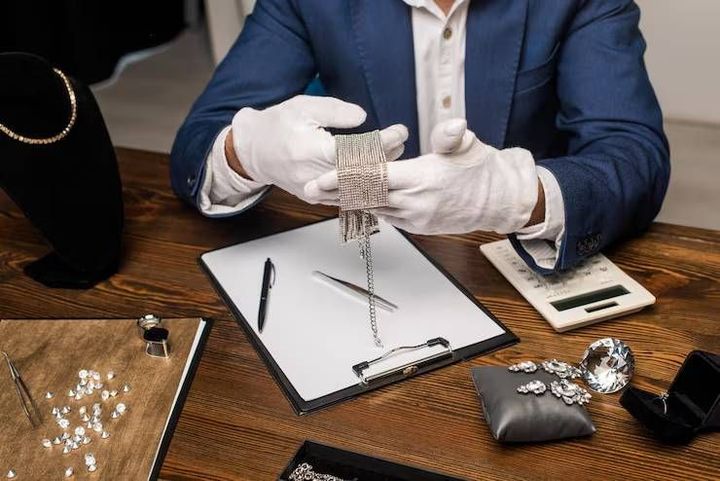
A personal jewellery record can contain photographs, item descriptions, invoices, certificates, valuation reports, and purchase dates. Keeping these records together can make it easier to identify an item and provide supporting evidence during a claim.
A simple inventory can include:
- Item type and description
- Metal and purity details
- Gemstone details, where relevant
- Weight and identifying marks
- Invoice or valuation reference
- Photographs from multiple angles
- Storage location
- Policy reference and insured amount
Useful Official Resources
IRDAI provides regulatory information, policyholder guidance, and access to grievance mechanisms. Bima Bharosa allows policyholders to register and track complaints online. The Council for Insurance Ombudsmen provides information about Ombudsman centres and procedures for eligible insurance disputes.
Online calculators can also help organize jewellery values or compare household inventory totals, but a calculator does not determine whether an insurer will accept a claim. The policy document and supporting records remain the key sources for coverage decisions.
Claim Preparation Tools
A basic claim checklist can help organize:
- Policy number and schedule
- Incident report or police report when applicable
- Photographs of damage
- Invoice or valuation documentation
- Ownership evidence
- Claim form and correspondence
- Details of when and where the incident occurred
The exact documents depend on the circumstances and the insurer's stated procedure.
FAQs
What Does Jewellery Insurance Usually Cover?
Jewellery insurance may cover specified risks such as theft, burglary, fire, accidental damage, or loss, depending on the policy. Coverage can differ for items kept at home, carried outside, or stored in a bank locker.
Does Home Insurance Include Jewellery?
Some home insurance policies include jewellery within household contents or valuables coverage, but limits and conditions vary. A separate jewellery section or dedicated policy may be available where broader or more specific protection is needed.
What Documents Are Needed for a Jewellery Insurance Claim?
Common documents can include the policy schedule, invoice, valuation report, photographs, ownership records, and a police report where relevant. The insurer may request additional evidence based on the circumstances of the claim.
How Is Jewellery Valued for an Insurance Claim?
The valuation method depends on the policy. Some policies may use a stated insured amount, market-based valuation, replacement-related terms, or specified deductions, so the policy wording should be checked before interpreting the potential claim amount.
Can Jewellery Insurance Cover Items Outside the Home?
Some policies can extend coverage to jewellery while it is being worn or carried away from the insured premises. Such protection may have geographic limits, security conditions, item limits, or specific exclusions.
Conclusion
Jewellery insurance provides a structured way to address defined risks affecting valuable personal items. Coverage can differ significantly according to insured amounts, item limits, valuation methods, exclusions, security conditions, and documentation requirements. In India, jewellery protection operates within the broader insurance framework overseen by IRDAI, with Bima Bharosa providing a channel for eligible policyholder grievances. Understanding the policy schedule and maintaining clear records are important parts of understanding how jewellery coverage and claims work.
Disclaimer: The information provided in this article is for informational purposes only. We do not make any claims or guarantees regarding the accuracy, reliability, or completeness of the information presented. The content is not intended as professional advice and should not be relied upon as such. Readers are encouraged to conduct their own research and consult with appropriate professionals before making any decisions based on the information provided in this article