Ethnic Men’s Rings Guide: Designs, Metals, Cultural Styles, Patterns and Key Features
Ethnic men’s rings are finger rings influenced by the artistic traditions, symbols, materials, and decorative patterns of particular cultures or regions. They can reflect heritage, ceremonial practices, family traditions, spiritual ideas, or local craft techniques. Some designs are worn as everyday accessories, while others are associated with weddings, festivals, rites of passage, or formal occasions.
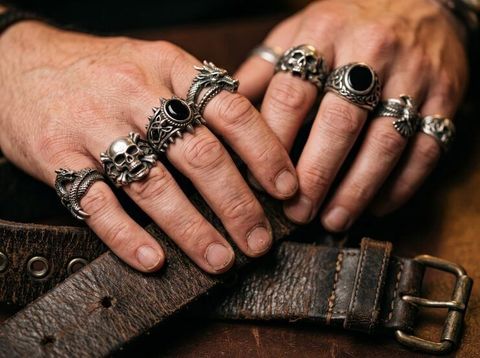
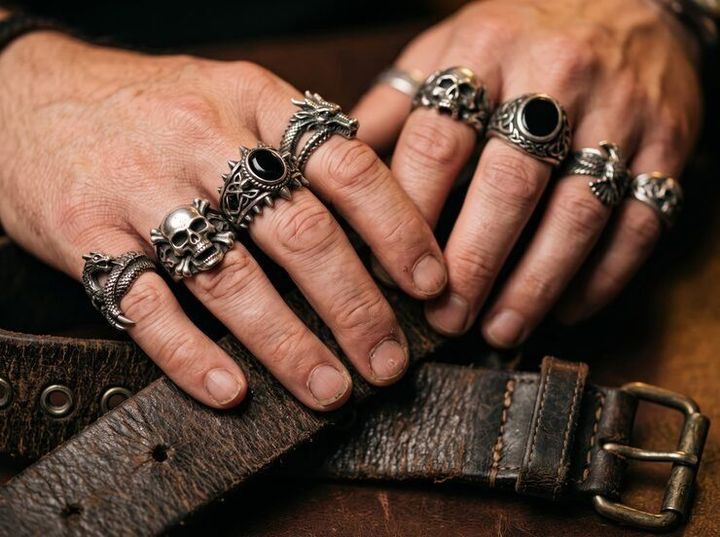
The appearance of an ethnic ring can vary greatly. A ring may use engraved lines, geometric shapes, animals, plants, regional symbols, braided forms, textured surfaces, or repeated patterns. The meaning of a symbol is not universal, so its interpretation depends on the culture and context in which it is used.
Historical background
Rings have been made from materials such as metal, stone, glass, wood, and other natural materials for thousands of years. Across different societies, rings have served decorative, social, ceremonial, and symbolic purposes. Metalworking traditions later allowed artisans to create more detailed patterns and stronger structures.
Today, ethnic-inspired rings may combine traditional visual elements with contemporary ring shapes. This means a single design can have an older cultural reference while using modern manufacturing methods and materials.
Importance
Cultural identity and design
Ethnic men’s rings can provide a visible connection to cultural heritage. For some people, a pattern may represent ancestry, community, faith, geography, or a particular artistic tradition. For others, the attraction may be mainly related to craftsmanship, texture, or historical design.
Understanding the background of a ring helps prevent cultural symbols from being treated as generic decoration. Symbols that look similar can have different meanings in different regions, and some ceremonial objects may have restrictions on who traditionally wears them.
Everyday practical considerations
Ring design also involves practical questions about comfort and durability. Important features include:
- Ring width: Wider bands can create a stronger visual presence, while narrower bands may feel lighter on the finger.
- Profile: A flat, rounded, or raised profile affects how the ring feels during movement.
- Surface pattern: Deep engraving can create strong texture, while shallow patterns are usually more subtle.
- Metal composition: Different metals vary in hardness, weight, appearance, and resistance to tarnishing.
- Fit: Finger size can change during the day because of temperature, activity, and fluid retention.
These details matter when a ring is worn regularly. A culturally meaningful design also benefits from accurate information about its origin and symbolism.
Cultural respect and interpretation
Ethnic ring patterns should be understood in their original cultural setting whenever possible. Terms such as tribal, ethnic, traditional, indigenous, or regional can cover many different communities and should not be treated as interchangeable labels.
A useful approach is to identify the specific culture, region, historical period, or craft tradition associated with a design. This makes descriptions more precise and helps readers distinguish documented cultural meaning from modern decorative interpretation.
Recent Updates
Contemporary design trends
From 2024 through 2026, ring design has continued to combine heritage-inspired patterns with contemporary forms. Geometric engraving, mixed textures, oxidized finishes, signet-style shapes, and combinations of contrasting metals appear across many modern jewellery collections and craft traditions.
Digital design tools have also become more common in jewellery production. Computer-aided design can help create precise repeating patterns, while computer-controlled cutting, engraving, and casting can reproduce detailed shapes. Traditional hand finishing may still be used for texture and surface character.
Materials and identification
Consumers increasingly encounter rings made from gold, silver, platinum, stainless steel, titanium, and other alloys. The same visual style can therefore appear in several materials, making metal identification an important part of understanding a ring.
Hallmarking systems are also becoming more traceable in India. The Bureau of Indian Standards has continued updating hallmarking rules and standards, including developments affecting gold and silver jewellery. The revised Indian standard for silver introduced a Hallmark Unique Identification approach on a voluntary basis, adding another way to connect a hallmarked article with information recorded through the BIS system.
Digital research
Online museum collections, cultural archives, library databases, and educational resources make it easier to research symbols and historical ring styles. Image-search tools can help identify visual similarities, but an image alone may not establish a design’s cultural origin or meaning. Written documentation from museums, cultural institutions, and standards organizations provides stronger context.
Laws or Policies
India and jewellery hallmarking
In India, gold and silver jewellery fall within the Bureau of Indian Standards hallmarking framework. Hallmarking records the proportion of precious metal in an article and provides information about its fineness.
For hallmarked gold jewellery, the hallmark includes the BIS standard mark, the purity or fineness indication, and a six-character alphanumeric Hallmark Unique Identification number. The BIS CARE application includes a feature for verifying HUID information for applicable hallmarked gold jewellery.
India has expanded mandatory hallmarking coverage through successive amendments. BIS records show additional districts being brought under mandatory hallmarking requirements during 2026. The exact applicability depends on the article, location, exemptions, and the current government order.
Silver hallmarking
India also has standards for hallmarked silver jewellery and articles. The revised IS 2112:2025 introduced seven silver purity grades and a HUID-based hallmarking framework on a voluntary basis. The revised system uses the BIS standard mark with the word SILVER, a purity grade, and a HUID code.
Special categories and exemptions can exist under hallmarking orders. BIS documentation identifies certain categories of jewellery and particular article types that may be exempt from mandatory hallmarking requirements. Readers should consult current BIS material when determining the rule that applies to a specific article.
Tools and Resources
Hallmark verification resources
Several resources can help readers understand ring materials and cultural background:
- BIS hallmarking information: The Bureau of Indian Standards provides explanations of hallmarking, purity grades, registration, testing, and consumer procedures in India.
- BIS CARE application: The application includes tools for checking applicable HUID information.
- Museum databases: National and regional museums often document jewellery, ornaments, symbols, and craft traditions.
- Library catalogues: Academic and public library systems can help locate books and research about regional jewellery.
- Digital image tools: Image comparison and visual-search platforms can help identify similar patterns, although results should be checked against reliable written sources.
- Ring-size charts: Printable or digital sizing references can help readers understand common measurement systems.
- Metal reference tables: Basic charts comparing fineness, alloy composition, hardness, and typical appearance can help explain differences between materials.
Common metals and characteristics
| Metal or material | Common characteristics | Typical design use |
|---|---|---|
| Gold | Warm appearance, available in several fineness levels | Bands, signets, engraved motifs |
| Silver | Bright appearance and widely used in decorative jewellery | Detailed patterns, symbolic designs |
| Platinum | Dense, naturally pale metal | Structured contemporary and heritage-inspired forms |
| Stainless steel | Hard, durable, and resistant to many forms of corrosion | Modern patterned bands |
| Titanium | Lightweight and strong | Minimal or textured ring designs |
| Brass | Yellow-gold appearance and workable surface | Decorative and craft-oriented designs |
| Copper | Reddish-brown appearance and traditional craft use | Engraved or artisan-style pieces |
Material appearance can change with polishing, oxidation, plating, surface treatment, and age. A visual inspection therefore cannot always establish the exact composition of a ring.
FAQs
What are ethnic men’s rings?
Ethnic men’s rings are rings influenced by particular cultural, regional, historical, or traditional design practices. Their patterns may reflect local art, symbolism, craftsmanship, or ceremonial traditions.
Which metals are commonly used in ethnic men’s rings?
Gold and silver are common precious metals, while stainless steel, titanium, brass, copper, and other alloys are also used. The choice of material affects weight, appearance, hardness, and maintenance requirements.
What do patterns on ethnic men’s rings mean?
Patterns can represent different ideas depending on the culture. Geometric forms, animals, plants, religious symbols, and regional motifs may have specific meanings, but interpretation should be based on reliable cultural or historical documentation.
How can the metal in a men’s ring be identified?
Hallmarks, manufacturer markings, professional testing, and documented specifications can help identify a ring’s metal and fineness. In India, applicable BIS hallmark information can provide additional details for hallmarked gold and silver jewellery.
Are ethnic men’s rings subject to jewellery laws in India?
Certain gold and silver jewellery articles in India are subject to BIS hallmarking requirements, with exemptions and location-specific provisions. Current BIS orders and standards should be checked because the applicable requirements can change.
Conclusion
Ethnic men’s rings combine jewellery design with cultural history, regional craftsmanship, symbolic patterns, and material choices. Their appearance can range from detailed traditional motifs to simplified modern forms inspired by older artistic practices. Understanding the cultural background, metal characteristics, ring structure, and applicable hallmarking information provides useful context for interpreting these designs. In India, BIS standards and hallmarking updates are important references for understanding applicable gold and silver jewellery requirements.