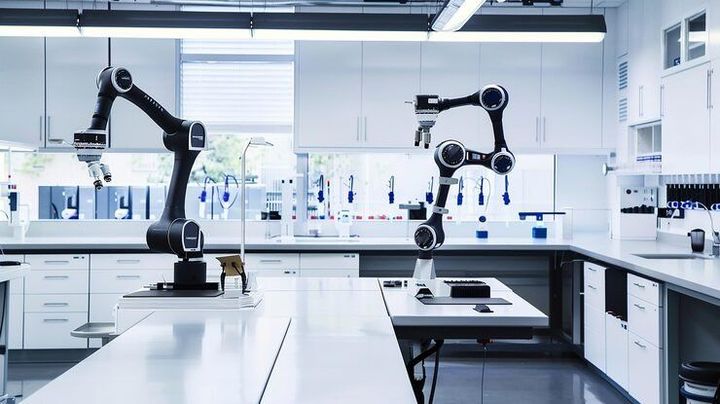
. Laboratory Automation Systems Guide: Equipment, Workflow, Technologies and Implementation Factors
Laboratory automation systems use machines, software, sensors, and robotic equipment to perform laboratory tasks with limited manual intervention. These systems are used in medical testing laboratories, pharmaceutical research, biotechnology, chemical analysis, food testing, and industrial quality control. Their purpose is to organize repetitive procedures, manage samples, and support consistent laboratory workflows.
Context
Laboratory automation systems use machines, software, sensors, and robotic equipment to perform laboratory tasks with limited manual intervention. These systems are used in medical testing laboratories, pharmaceutical research, biotechnology, chemical analysis, food testing, and industrial quality control. Their purpose is to organize repetitive procedures, manage samples, and support consistent laboratory workflows.
Laboratory automation developed as laboratories began processing larger numbers of samples and adopting more advanced analytical instruments. Early automated equipment focused on specific tasks, such as measuring liquids or analyzing specimens. Modern systems can connect several stages of laboratory work, from sample identification and preparation to testing, data recording, and result review.
A laboratory automation system may be a single automated instrument or a coordinated arrangement of machines and software. Its design depends on the type of laboratory, the materials being examined, the volume of work, and the level of precision required.
Main Types of Laboratory Automation Systems
Different laboratory environments require different automation technologies. Common types include:
Liquid handling systems: Transfer measured quantities of liquids between containers, plates, or test tubes.
Automated sample preparation: Perform tasks such as dilution, mixing, extraction, and reagent addition.
Laboratory robotics: Move samples, laboratory containers, and materials between designated work areas.
Automated analytical instruments: Measure properties of samples and generate data for further interpretation.
Laboratory information management systems (LIMS): Organize sample records, workflow information, test results, and related documentation.
Integrated laboratory automation: Connect multiple instruments, robotic stations, and software systems into a coordinated workflow.
Not every laboratory needs a fully integrated system. A small facility may automate one repetitive procedure, while a large research laboratory may connect several instruments and sample-handling stages.
Importance
Laboratory automation systems matter because laboratories often need to process many samples while maintaining reliable procedures and traceable records. Manual work can involve repeated pipetting, labeling, transferring, measuring, and entering information. These activities require attention and may introduce handling differences or transcription errors.
Automation can reduce some repetitive manual tasks and support more consistent execution of defined procedures. However, equipment performance depends on correct configuration, maintenance, calibration, suitable materials, and appropriate staff oversight. Automated results still require quality controls and interpretation by qualified personnel when applicable.
Applications Across Laboratory Industries
Laboratory automation supports a wide range of scientific and industrial activities.
Clinical laboratories: Automated instruments can process blood, urine, and other specimens for specified diagnostic tests.
Pharmaceutical research: Systems can prepare compounds, manage experimental plates, and support laboratory screening.
Biotechnology: Automated liquid handling and sample processing can support molecular biology and cell-based research.
Chemical laboratories: Equipment can measure, mix, prepare, and analyze chemical samples under defined procedures.
Food and environmental testing: Automation can support sample preparation and analysis for specified quality or contamination measurements.
Manufacturing quality control: Laboratories can automate repeatable tests used to evaluate materials, components, or production samples.
The exact tasks depend on the instrument and its validated or verified use. Automation does not make every procedure suitable for unattended operation, particularly when samples are unstable, hazardous, unusual, or require expert judgment.
How Laboratory Automation Improves Workflow
A laboratory workflow generally includes sample receipt, identification, preparation, analysis, data handling, and result review. Automation can connect some or all of these stages, reducing unnecessary movement and helping staff track sample status.
For example, a liquid handling robot may transfer measured volumes into a microplate, after which an analytical instrument measures the prepared samples. Software can associate the instrument output with sample identifiers and store the resulting data. Staff then review quality-control information and determine whether the results meet the laboratory's acceptance criteria.
The following table compares common automation components.
| Component | Main function | Important consideration |
|---|---|---|
| Liquid handler | Transfers measured liquid volumes | Pipetting accuracy and liquid compatibility |
| Sample transport robot | Moves containers between stations | Safe movement and correct identification |
| Automated analyzer | Measures sample properties | Calibration and method suitability |
| Barcode reader | Identifies samples and containers | Label quality and record matching |
| LIMS | Manages sample and test records | Data integrity and system access |
| Workflow software | Coordinates instruments and task sequences | Compatibility and error handling |
These components may operate independently or as parts of a connected laboratory automation platform.
Recent Updates
Laboratory automation continues to develop through improvements in robotics, digital integration, data management, and artificial intelligence. During 2024–2026, the broader direction has involved more connected instruments, flexible automation, and software that helps laboratories coordinate equipment and review large volumes of experimental information. The pace of adoption varies according to laboratory size, scientific requirements, regulatory obligations, and available infrastructure.
Robotics and Flexible Automation
Modern laboratory robots can be configured to handle containers, prepare samples, and move materials between workstations. Some systems use modular layouts, allowing laboratories to add or rearrange instruments as workflows change. This flexibility can be useful in research environments where experimental procedures evolve more frequently than routine testing protocols.
Sensors and machine vision can help equipment detect container positions, recognize labels, or identify certain handling problems. These capabilities depend on the system's design and operating conditions. Laboratories must still establish procedures for equipment faults, spills, unexpected samples, and interrupted workflows.
Artificial Intelligence and Digital Integration
Artificial intelligence is being explored for tasks such as experimental planning, image analysis, pattern recognition, equipment monitoring, and data interpretation. In laboratory automation, these technologies may help organize complex workflows or identify patterns that warrant further examination. They do not independently establish the scientific validity of a result.
Connected instruments and laboratory software can also reduce the need to transfer information manually between separate systems. Integration may involve instrument interfaces, electronic laboratory notebooks, LIMS platforms, and data analysis applications. Clear data standards, access controls, and documented system changes remain important for maintaining reliable records.
Sustainability and Operational Monitoring
Laboratories are also examining ways to monitor energy use, water consumption, consumables, and equipment utilization. Automation may help standardize reagent dispensing or reduce certain repetitive handling activities, but its environmental effect depends on the equipment, workflow, and operating practices. Automated systems may themselves require substantial electricity, specialized consumables, or climate-controlled spaces.
Laws or Policies
Laboratory automation is shaped by the type of testing performed, the intended use of results, and the country in which the laboratory operates. Requirements may cover equipment safety, staff training, sample handling, data protection, quality management, and the reliability of analytical methods. No single regulation applies to every laboratory automation system.
Laboratory Regulations in India
In India, laboratories may be subject to different rules depending on whether they perform clinical diagnostics, pharmaceutical testing, research, food analysis, environmental monitoring, or industrial quality control.
Clinical laboratories may need to follow applicable health regulations and diagnostic requirements. The National Accreditation Board for Testing and Calibration Laboratories (NABL) provides accreditation frameworks for laboratories, including standards based on ISO 15189 for medical laboratories and ISO/IEC 17025 for testing and calibration laboratories. Accreditation requirements depend on the relevant scope and assessment framework.
Pharmaceutical manufacturing and testing activities may be subject to applicable provisions of the Drugs and Cosmetics Act, 1940, associated rules, and relevant good manufacturing practice requirements. Food testing laboratories may also operate under applicable Food Safety and Standards Authority of India (FSSAI) requirements. The precise obligations depend on the laboratory's activities and regulatory status.
Equipment Safety and Data Integrity
Laboratories must consider electrical safety, moving robotic parts, chemical exposure, biological hazards, and appropriate containment. Risk assessments, operating procedures, equipment maintenance, and staff training help address these hazards. The required controls depend on the materials handled and the equipment installed.
Electronic laboratory records may contain personal information, confidential research, or regulated test data. Laboratories should establish suitable access controls, backup procedures, audit trails, and data-retention policies. India's Digital Personal Data Protection Act, 2023, and its applicable rules and commencement arrangements may be relevant when personal data is processed. Other sector-specific recordkeeping requirements may also apply.
Tools and Resources
Selecting and managing laboratory automation systems involves evaluating workflow needs, equipment compatibility, software capabilities, and quality requirements. Several resources can help laboratories plan implementation and maintain documented procedures.
Software and Laboratory Management Platforms
LIMS platforms manage sample identifiers, test assignments, status updates, results, and associated records. Electronic laboratory notebooks help document experiments, methods, observations, and research findings. Instrument-control software manages defined equipment operations, while workflow orchestration software coordinates tasks across compatible instruments.
Before implementation, laboratories should examine system interoperability, data export options, user permissions, audit capabilities, and vendor documentation. Software features vary, so compatibility should be assessed against the laboratory's actual instruments and procedures.
Standards and Technical Resources
Useful reference sources include:
NABL: Information about laboratory accreditation and applicable assessment criteria in India.
International Organization for Standardization (ISO): Standards relating to laboratory competence, quality management, and related technical practices.
FSSAI: Regulatory information relevant to food testing and food safety in India.
Central Drugs Standard Control Organisation (CDSCO): Information about applicable pharmaceutical and medical product regulation.
Instrument manuals and validation documentation: Equipment specifications, operating limits, maintenance requirements, and performance verification procedures.
The appropriate resources depend on the laboratory's scientific field and intended activities.
Implementation Planning
A laboratory automation implementation plan typically covers workflow mapping, equipment selection, installation, integration, staff training, and performance verification. Laboratories should document current procedures before changing them so that the effect of automation can be assessed.
Important planning considerations include sample volume, container formats, instrument capacity, required accuracy, contamination risks, maintenance access, and procedures for system failure. Performance qualification and ongoing monitoring may be necessary depending on the intended use and applicable quality requirements.
FAQs
What are laboratory automation systems used for?
Laboratory automation systems perform or coordinate tasks such as liquid handling, sample preparation, sample transport, analytical testing, and data recording. Their applications include clinical testing, research, biotechnology, chemical analysis, and manufacturing quality control.
What equipment is used in laboratory automation?
Common equipment includes liquid handlers, robotic arms, automated analyzers, barcode readers, sample transport systems, and compatible laboratory software. The configuration depends on the procedures and sample types involved.
How does laboratory automation improve workflow?
Automation can standardize repeatable procedures, reduce some manual handling, and connect sample records with instrument data. Equipment maintenance, quality controls, and staff review remain necessary to support reliable results.
What factors affect laboratory automation implementation?
Key factors include workflow complexity, sample volume, equipment compatibility, laboratory space, staff training, data integrity, safety, and regulatory requirements. Integration and ongoing maintenance should also be considered during planning.
Which standards apply to laboratory automation in India?
Applicable requirements depend on the laboratory's activities. NABL accreditation frameworks, ISO 15189, ISO/IEC 17025, and relevant sector-specific regulations may apply to particular laboratories and testing activities.
Conclusion
Laboratory automation systems combine equipment, robotics, and software to support repeatable laboratory workflows and organized data handling. Their applications range from clinical testing and scientific research to food analysis and industrial quality control. Successful implementation depends on suitable equipment, system compatibility, staff training, maintenance, and appropriate quality controls. Applicable standards and regulations vary according to the laboratory's purpose, location, and the results it produces.