Learn About Global Construction Equipment and Its Industrial Applications
Construction equipment refers to machines and mechanical systems used to perform tasks involved in building, excavation, transportation, material handling, road development, demolition, and infrastructure construction. Global construction equipment includes machines ranging from compact loaders and excavators to large cranes, concrete machinery, graders, drilling systems, and specialized lifting equipment.
The development of construction machinery began with the need to reduce the physical effort required for large-scale construction activities. Early equipment relied heavily on mechanical principles, while modern construction equipment combines hydraulics, electronics, sensors, computerized controls, and increasingly automated functions.
Today, construction equipment is used across many industries. Residential and commercial buildings, highways, bridges, tunnels, ports, airports, mining areas, utilities, and industrial facilities all depend on different combinations of machinery. The appropriate equipment depends on the terrain, material, project scale, working environment, and required precision.
Main Categories of Construction Equipment
Construction machines can be grouped according to their primary functions. Excavation equipment removes or moves soil, rock, and other materials. Material-handling equipment lifts and transports loads, while road construction machinery prepares, levels, compacts, and finishes surfaces.
Common categories include:
- Excavators for digging, trenching, and material handling
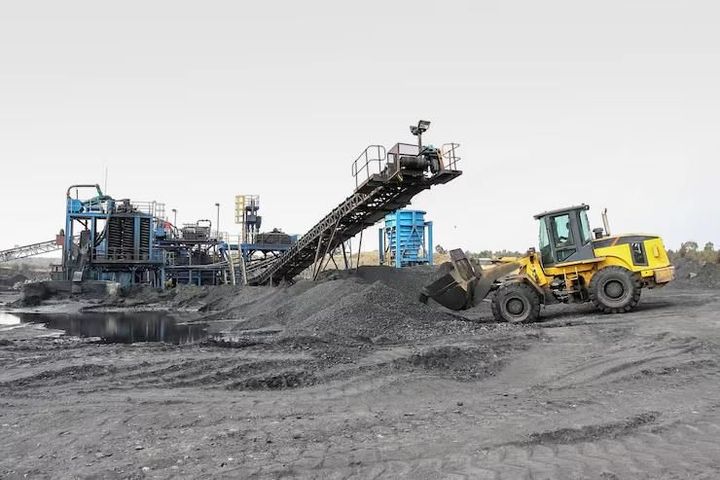
- Wheel loaders for loading and transporting loose materials
- Bulldozers for pushing, spreading, and grading soil
- Motor graders for surface leveling and road preparation
- Cranes for lifting heavy components
- Dump trucks for transporting bulk materials
- Compactors for soil and pavement densification
- Concrete equipment for mixing, placing, and finishing concrete
- Drilling equipment for foundations, tunnels, and ground investigation
- Demolition equipment for controlled removal of structures
Each machine has a specific operating range. Attachments can also expand the functions of equipment, allowing one machine platform to perform several related tasks.
Importance
Construction equipment matters because modern infrastructure projects involve large quantities of material and complex working conditions. Manual methods alone would be difficult to apply efficiently to deep excavation, heavy lifting, earthmoving, road construction, and large concrete structures.
Equipment also affects project productivity and workplace conditions. Machines can perform repetitive or physically demanding operations while operators control movement, speed, positioning, and attachments from protected work areas.
Industries That Use Construction Equipment
Construction equipment has applications beyond conventional building projects. Several industries depend on specialized machinery for their operations:
- Building construction uses excavators, cranes, loaders, concrete equipment, and lifting systems.
- Road construction uses graders, asphalt equipment, rollers, milling machines, and material transport equipment.
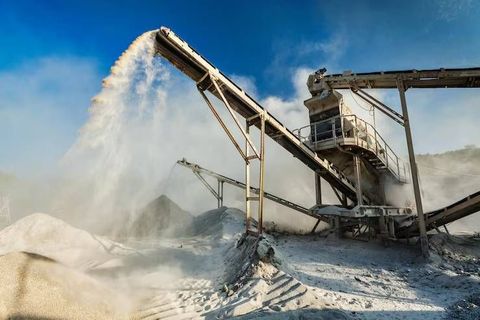
- Mining operations use heavy excavators, haul trucks, drilling systems, and material-handling machinery.
- Utility construction uses trenching equipment, compact excavators, drilling systems, and lifting machinery.
- Energy infrastructure uses cranes, drilling equipment, access machinery, and specialized transport systems.
- Demolition projects use excavators with breakers, shears, crushers, and other attachments.
The selection of machinery can influence productivity, fuel or energy consumption, site access, operator requirements, and environmental impact. Compact equipment is often suitable for restricted spaces, while larger machines are designed for high-volume earthmoving and heavy-duty applications.
Construction Equipment and Project Efficiency
Construction equipment helps organize different stages of a project. For example, an excavator may prepare a foundation area, trucks can move excavated material, compactors can prepare the ground, and cranes can position structural components.
Equipment planning also involves matching machine capacity with the task. Important considerations include:
- Maximum lifting or digging capacity
- Operating dimensions
- Attachment compatibility
- Ground conditions
- Fuel or energy requirements
- Operator visibility
- Transportation requirements
- Maintenance intervals
- Noise and emission characteristics
| Equipment Type | Main Application | Typical Work Area |
|---|---|---|
| Excavator | Digging and excavation | Foundations, trenches, earthworks |
| Wheel Loader | Loading and material movement | Construction sites, aggregate areas |
| Bulldozer | Pushing and grading | Earthworks and site preparation |
| Motor Grader | Surface leveling | Roads and large sites |
| Crane | Heavy lifting | Buildings and infrastructure |
| Roller | Soil and pavement compaction | Roads and foundations |
| Concrete Mixer | Concrete preparation | Building and infrastructure projects |
| Drilling Rig | Ground and foundation drilling | Foundations, tunnels, utilities |
Recent Updates
Construction equipment has been changing through greater use of digital controls, connected sensors, automation, alternative power systems, and machine-monitoring technologies. Manufacturers and equipment operators are increasingly focused on improving machine utilization, reducing unnecessary idle operation, and collecting operational information.
Digital Construction Equipment
Modern machines can incorporate telematics systems that collect information about operating hours, machine location, fuel or energy use, maintenance conditions, and equipment activity. This information can help project teams understand how machinery is being used across different work areas.
Electronic control systems are also becoming more common. They can coordinate hydraulic functions, engine operation, safety systems, and operator controls. Some machines provide digital displays that help operators monitor machine conditions and operating parameters.
Automation and Machine Assistance
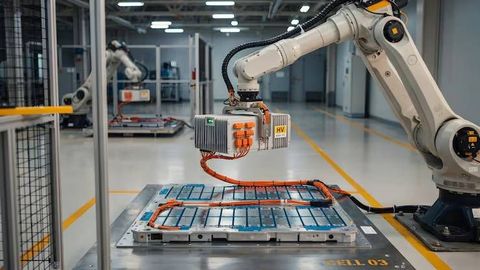
Automation is another important development in global construction equipment. Machine-control systems can use positioning technology, sensors, cameras, and digital site models to help operators perform grading, excavation, and positioning tasks with greater consistency.
Remote operation is also being explored for environments where direct human access may be difficult or hazardous. These technologies do not eliminate the need for trained personnel, because equipment still requires supervision, planning, inspection, and appropriate operating procedures.
Electrification and Lower-Emission Equipment
Electric and hybrid construction equipment is receiving greater attention, particularly for compact machinery used in locations where noise and local emissions are important considerations. Battery-powered excavators, loaders, compactors, and other machines are appearing in different equipment categories.
Larger equipment presents additional engineering challenges because heavy-duty applications can require substantial energy and long operating periods. As a result, diesel, hybrid, battery-electric, and other power technologies may coexist depending on the application and site conditions.
Laws or Policies
Construction equipment is generally affected by several categories of rules. These can include machinery safety requirements, occupational safety regulations, environmental standards, emissions requirements, noise controls, transportation rules, and inspection procedures.
Equipment Safety Requirements
Operators are normally expected to use equipment according to manufacturer instructions and applicable workplace rules. Requirements may address machine guarding, operator visibility, lifting operations, emergency controls, inspections, and safe working distances.
Heavy equipment can create hazards through moving parts, suspended loads, unstable ground, restricted visibility, and interaction with workers or other machinery. Site procedures therefore commonly include equipment inspections, designated operating areas, communication methods, and training requirements.
Environmental Regulations
Environmental policies can affect construction machinery through limits on exhaust emissions, noise, fuel handling, and environmental disturbance. Requirements vary by jurisdiction and equipment category.
Some projects may also have restrictions concerning dust, vibration, water contamination, and disposal of construction materials. Equipment selection can therefore depend not only on mechanical capability but also on applicable environmental requirements.
Transportation and Lifting Rules
Large construction machines may require specific transportation arrangements because of their dimensions and weight. Cranes and other lifting equipment may also be subject to inspection, load-management, and operator qualification requirements.
Because regulations differ between jurisdictions, construction companies generally need to identify the rules applicable to the project location, machine category, and intended operation.
Tools and Resources
Several digital and technical resources help people understand and manage construction equipment. Equipment specification databases can provide information about dimensions, operating weight, engine or motor characteristics, attachment compatibility, and rated capacities.
Construction planning software can assist with equipment scheduling, site coordination, material movement, and project documentation. Telematics platforms can provide machine operating information, while digital mapping and site-modeling tools can support excavation and grading activities.
Useful resources can include:
- Equipment specification sheets
- Operator manuals
- Maintenance schedules
- Load charts
- Earthmoving calculators
- Productivity calculators
- Digital site-planning platforms
- Equipment fleet-monitoring systems
- Safety inspection templates
- Machine-control systems
Training materials are also important because safe equipment operation depends on understanding controls, limitations, site conditions, and manufacturer instructions.
FAQs
What is global construction equipment?
Global construction equipment includes machinery used for excavation, lifting, transportation, grading, compaction, concrete work, drilling, demolition, and other construction activities across different regions and industries.
What are the main types of construction equipment?
Common types include excavators, bulldozers, wheel loaders, cranes, motor graders, rollers, dump trucks, concrete equipment, drilling rigs, and demolition machinery. Attachments can expand the functions of several machine categories.
How is construction equipment used in industrial applications?
Construction equipment is used for preparing sites, moving materials, constructing foundations, installing infrastructure, developing roads, handling heavy components, drilling ground, and removing structures.
What recent technology is being used in construction equipment?
Recent developments include telematics, machine-control systems, digital monitoring, automation, remote operation, electric power systems, hybrid technologies, cameras, sensors, and integrated electronic controls.
What factors affect construction equipment selection?
Equipment selection can depend on the task, machine capacity, site dimensions, ground conditions, attachment requirements, energy source, environmental requirements, transportation limitations, operator capabilities, and applicable regulations.
Conclusion
Global construction equipment supports a wide range of activities across building, infrastructure, industrial, mining, utility, and demolition applications. Modern machinery increasingly combines mechanical systems with digital controls, sensors, automation, and alternative power technologies. Equipment selection is influenced by technical requirements, site conditions, safety procedures, environmental rules, and project planning needs. Understanding these factors provides a clearer view of how construction machinery contributes to modern industrial development.