Learn About Sustainable Energy Solutions for Cleaner Power Generation
Sustainable energy solutions are technologies and systems designed to produce useful energy while reducing dependence on finite fuels and limiting environmental impacts. They include solar power, wind energy, hydropower, geothermal energy, sustainable bioenergy, energy storage, smart electricity networks, and technologies that improve energy efficiency.
Together, these approaches are changing how electricity is generated, transported, stored, and consumed.
The concept developed from the need to address several long-term energy challenges. Traditional power systems have historically depended heavily on coal, oil, and natural gas. These fuels can provide dependable electricity, but their extraction, transportation, and combustion can contribute to greenhouse gas emissions and other environmental pressures. Sustainable energy solutions provide additional pathways for meeting growing electricity demand.
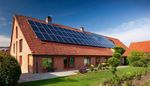
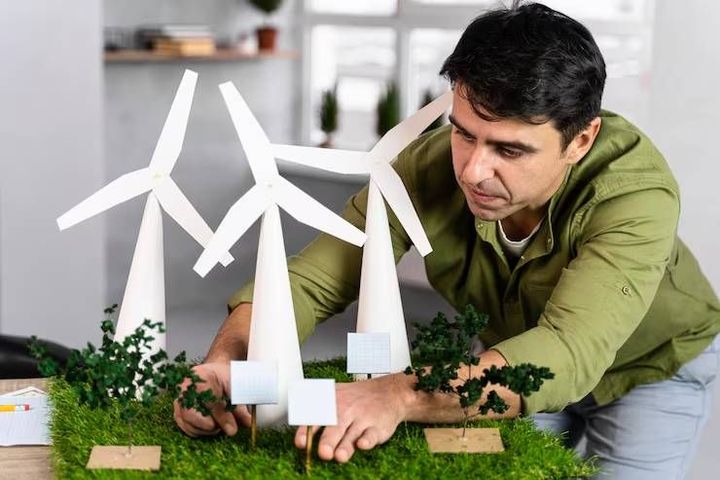
Solar photovoltaic systems convert sunlight directly into electricity, while wind turbines transform moving air into electrical power. Hydropower uses flowing or stored water, geothermal systems use heat from beneath the Earth's surface, and some forms of bioenergy use organic materials as an energy source. Energy storage technologies, including batteries and pumped-storage hydropower, help manage differences between electricity generation and demand.
The global transition is increasingly connected with improvements in power grids. Solar and wind generation can vary according to weather conditions, so electricity systems need forecasting, flexible generation, storage, transmission capacity, and demand management. Sustainable power generation is therefore not limited to installing renewable generators; it also involves building an electricity system capable of integrating different technologies.
Importance
Meeting Growing Electricity Demand
Electricity is becoming increasingly important for households, transportation, communication, manufacturing, buildings, and digital infrastructure. As more activities become electrified, power systems need additional generation capacity and stronger networks.
Renewable electricity is expanding rapidly. The International Energy Agency reported that renewable sources and nuclear power together supplied more than 80% of the growth in global electricity generation during 2024, while renewables alone supplied 32% of total electricity generation.
Reducing Environmental Pressure
Cleaner power generation can reduce direct dependence on fossil-fuel combustion for electricity. Solar and wind generation, for example, do not require fuel combustion during normal electricity production.
However, sustainable energy technologies still have environmental considerations. Manufacturing equipment requires minerals, energy, land, transportation, and industrial processes. Hydropower can affect rivers and ecosystems, while wind and solar projects require appropriate land-use planning. Sustainable energy planning therefore considers the complete energy system rather than focusing on a single technology.
Supporting Energy System Resilience
Energy diversification can reduce dependence on one generation source. A power system that combines solar, wind, hydropower, geothermal generation, storage, and flexible electricity resources can distribute generation across different technologies.
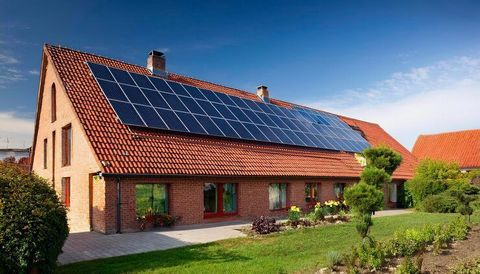
Distributed energy systems can also place generation closer to consumers. Rooftop solar, community-scale generation, batteries, and microgrids can form part of this approach where technical and regulatory conditions allow.
Main Sustainable Energy Technologies
| Technology | Main Energy Source | Typical Electricity Role |
|---|---|---|
| Solar PV | Sunlight | Utility, commercial, residential |
| Wind power | Moving air | Onshore and offshore generation |
| Hydropower | Flowing or stored water | Flexible and large-scale generation |
| Geothermal | Underground heat | Continuous electricity in suitable areas |
| Bioenergy | Organic materials | Electricity and combined heat applications |
| Battery storage | Stored electrical energy | Balancing and short-duration flexibility |
| Pumped storage | Stored water | Large-scale energy storage |
Each technology has different geographical, technical, environmental, and infrastructure requirements. Solar resources are widely distributed, while geothermal and hydropower depend more strongly on local geological and geographical conditions.
Recent Updates
Rapid Solar Expansion
Recent developments show that solar photovoltaic technology continues to account for a large share of renewable electricity expansion. According to the IEA, global renewable capacity additions reached about 700 GW during 2024, with solar PV accounting for more than three-quarters of additions.
The expansion continued into 2025. The IEA's 2026 Global Energy Review reports approximately 800 GW of new renewable capacity during 2025, with solar PV representing more than three-quarters of the additions. Solar PV additions exceeded 600 GW for the first time.
Growth of Energy Storage
Energy storage is becoming increasingly important because solar and wind output can change throughout the day. Batteries can respond rapidly to changes in electricity demand and generation, while pumped-storage hydropower can provide larger-scale storage over longer periods.
Storage is also becoming part of broader grid planning. Transmission upgrades, advanced forecasting, flexible demand, and digital monitoring can work alongside storage to improve system management.
Expansion of Grid Infrastructure
Renewable electricity growth creates a need for additional transmission and distribution infrastructure. Projects can experience delays when generation capacity expands faster than grid connections.
The IEA's recent renewable outlook identifies grid integration, supply chains, financing, and permitting as continuing challenges. Its 2025 outlook projects approximately 4,600 GW of additional renewable power capacity between 2025 and 2030, with solar PV accounting for almost 80% of the expansion in its main case.
Increasing Technology Diversity
Although solar PV and wind dominate current renewable expansion, other technologies remain relevant. Hydropower can provide flexibility, geothermal energy can provide relatively steady generation where resources are available, and sustainable bioenergy can contribute to electricity and heat production.
The energy transition is therefore developing as a combination of technologies rather than a single replacement for existing power systems.
Laws or Policies
Renewable Energy Rules in India
Because no specific country was provided for the policy section, India is used here as an example of how government rules can shape sustainable energy development.
India uses policy mechanisms that encourage renewable electricity integration. The Ministry of New and Renewable Energy maintains central rules and policy information covering renewable energy and electricity-related measures. One important framework is the Renewable Purchase Obligation, which establishes renewable electricity procurement requirements within the electricity system.
Green Energy Open Access
India's Green Energy Open Access framework provides a regulatory pathway for eligible electricity consumers to obtain electricity from renewable sources through open-access arrangements. Amendments have adjusted eligibility and other provisions over time.
Energy Storage Requirements
Policy frameworks can also include energy storage obligations alongside renewable purchase requirements. Such measures recognize that electricity generation and electricity demand do not always occur at the same time.
Rules can change as electricity markets, technology, grid requirements, and government priorities develop. Readers should therefore distinguish between general renewable-energy principles and the specific rules applicable to a particular project, state, consumer category, or electricity connection.
Tools and Resources
Renewable Energy Calculators
Solar generation calculators can estimate potential electricity production using factors such as solar radiation, system capacity, orientation, and expected performance. These calculations are estimates rather than guarantees because actual output varies with weather, equipment condition, shading, and system configuration.
Energy Monitoring Platforms
Digital energy-management platforms can track electricity consumption, generation, battery operation, and system performance. Commercial and industrial users may use dashboards to identify demand patterns and evaluate how different energy resources interact.
Renewable Energy Data Platforms
Energy agencies and international organizations maintain datasets covering electricity generation, renewable capacity, energy demand, and technology deployment. These resources can help readers understand regional differences and longer-term trends.
Planning Templates
Energy planning templates can organize information such as:
- Electricity demand
- Renewable generation capacity
- Storage capacity
- Grid connection requirements
- Expected generation patterns
- Land and environmental considerations
- Maintenance requirements
- Regulatory requirements
Using structured data helps separate technical assumptions from measured results and makes energy planning easier to review.
FAQs
What are sustainable energy solutions?
Sustainable energy solutions are technologies and systems designed to provide energy while reducing reliance on finite fuels and limiting environmental impacts. Solar, wind, hydropower, geothermal energy, sustainable bioenergy, storage, and energy-efficiency technologies are common examples.
How does sustainable power generation work?
Sustainable power generation converts renewable resources such as sunlight, wind, moving water, underground heat, or organic materials into useful electricity. Storage and grid-management technologies help balance generation with changing electricity demand.
Why are solar energy solutions growing rapidly?
Solar PV systems can be deployed at many scales, from individual buildings to large power plants. Recent global capacity growth has been strongly influenced by solar PV, which accounted for more than three-quarters of renewable capacity additions in both 2024 and 2025 according to IEA assessments.
What role does battery storage play in clean power generation?
Battery storage can store electricity and release it when needed. It can help manage short-term changes in solar and wind generation, support grid balancing, and shift electricity availability from one period to another.
What policies support renewable energy?
Policies vary by country and can include renewable purchase requirements, auctions, grid-access rules, energy-storage requirements, planning regulations, and financial mechanisms. In India, renewable purchase and green-energy open-access rules form part of the regulatory framework.
Conclusion
Sustainable energy solutions combine renewable generation, energy storage, efficient electricity use, and modern grid infrastructure to support cleaner power generation. Solar and wind are driving much of the current expansion, while hydropower, geothermal energy, bioenergy, storage, and grid technologies contribute to a more diverse electricity system. Recent global developments show continued renewable capacity growth alongside challenges involving grid integration, supply chains, permitting, and system flexibility. Government policies remain an important factor in determining how renewable technologies are developed and integrated into electricity systems.